
This 7-day anti-inflammatory meal plan centers on foods research associates with lower inflammation: fatty fish rich in omega-3s, deeply colored berries and greens, olive oil, nuts, turmeric, ginger, and green tea — with daily menus, macro estimates, and a full shopping list. It minimizes the usual pro-inflammatory suspects: added sugars, refined carbs, processed meats, and industrial seed oils.
Chronic low-grade inflammation is linked to a host of modern health complaints, from achy joints to sluggish energy — and diet is one of the levers you actually control. No single food \”cures\” inflammation, but dietary patterns rich in omega-3 fatty acids, antioxidants, and fiber consistently show better inflammatory markers in studies than the standard processed-food pattern. Important: this is general nutrition information, not medical advice. If you have an inflammatory condition like arthritis, IBD, or an autoimmune disorder, talk to your doctor or a registered dietitian before changing your diet — food supports treatment, it doesn\’t replace it.
Anti-Inflammatory Eating Principles
- Emphasize: fatty fish (salmon, sardines, mackerel), berries, leafy greens, cruciferous vegetables, olive oil, walnuts and almonds, turmeric, ginger, garlic, green tea.
- Minimize: added sugars and sugary drinks, refined flour products, processed and cured meats, deep-fried foods, excessive alcohol.
- Cook smart: favor baking, steaming, and quick sautéing in olive oil over deep-frying and charring at extreme heat.
- Spice generously: turmeric (with black pepper to aid absorption), ginger, cinnamon, and garlic aren\’t garnishes here — they\’re daily ingredients.
Day 1 — Monday
Breakfast: Golden oatmeal — oats cooked in milk with turmeric, cinnamon, black pepper, walnuts, and blueberries. Lunch: Salmon salad — canned wild salmon with mixed greens, avocado, and olive oil-lemon dressing. Snack: Green tea and a handful of almonds. Dinner: Baked mackerel with roasted sweet potatoes and garlicky kale.
| Meal | Protein | Calories |
|---|---|---|
| Breakfast | 16g | 420 |
| Lunch | 38g | 500 |
| Snack | 8g | 260 |
| Dinner | 40g | 620 |
| Day 1 total | 102g | 1,800 |
Day 2 — Tuesday
Breakfast: Berry-ginger smoothie — mixed berries, spinach, Greek yogurt, fresh ginger, and flaxseed. Lunch: Turmeric lentil soup with carrots and a side of whole-grain bread. Snack: Apple slices with walnut butter. Dinner: Ginger-turmeric chicken stir-fry with broccoli, bell peppers, and brown rice.
| Meal | Protein | Calories |
|---|---|---|
| Breakfast | 22g | 380 |
| Lunch | 20g | 480 |
| Snack | 6g | 280 |
| Dinner | 44g | 640 |
| Day 2 total | 92g | 1,780 |
Day 3 — Wednesday
Breakfast: Veggie scramble — 3 eggs with turmeric, spinach, tomatoes, and avocado on whole-grain toast. Lunch: Leftover turmeric lentil soup with a kale side salad. Snack: Golden milk (turmeric latte) with a few dates. Dinner: Baked salmon with quinoa pilaf, roasted Brussels sprouts, and tahini drizzle.
| Meal | Protein | Calories |
|---|---|---|
| Breakfast | 24g | 440 |
| Lunch | 18g | 500 |
| Snack | 4g | 220 |
| Dinner | 44g | 660 |
| Day 3 total | 90g | 1,820 |
Day 4 — Thursday
Breakfast: Chia pudding made with coconut milk, topped with mango and toasted coconut. Lunch: Sardine toast — whole-grain bread with sardines, lemon, parsley, and arugula. Snack: Green tea and dark chocolate (85%, two squares). Dinner: Turmeric chicken and vegetable soup with bone broth, carrots, celery, and ginger.
| Meal | Protein | Calories |
|---|---|---|
| Breakfast | 10g | 400 |
| Lunch | 30g | 460 |
| Snack | 3g | 220 |
| Dinner | 42g | 600 |
| Day 4 total | 85g | 1,680 |
Day 5 — Friday
Breakfast: Green smoothie bowl — spinach, pineapple, banana, and coconut water topped with berries and hemp seeds. Lunch: Quinoa power bowl with roasted beets, chickpeas, kale, and tahini-lemon dressing. Snack: Trail mix — walnuts, almonds, and dried tart cherries (no added sugar). Dinner: Miso-glazed cod with bok choy and brown rice.
| Meal | Protein | Calories |
|---|---|---|
| Breakfast | 12g | 380 |
| Lunch | 20g | 540 |
| Snack | 8g | 300 |
| Dinner | 42g | 600 |
| Day 5 total | 82g | 1,820 |
Day 6 — Saturday
Breakfast: Sweet potato hash with turmeric, bell peppers, onions, and two fried eggs. Lunch: Big rainbow salad — mixed greens, shredded cabbage, carrots, edamame, and sesame-ginger dressing. Snack: Hummus with bell pepper strips. Dinner: Herb-crusted baked trout with roasted cauliflower and wild rice.
| Meal | Protein | Calories |
|---|---|---|
| Breakfast | 18g | 420 |
| Lunch | 18g | 480 |
| Snack | 8g | 240 |
| Dinner | 44g | 640 |
| Day 6 total | 88g | 1,780 |
Day 7 — Sunday
Breakfast: Buckwheat pancakes with berry compote (no added sugar) and Greek yogurt. Lunch: Leftover miso cod flaked into a seaweed and cucumber salad with brown rice. Snack: Matcha latte with oat milk. Dinner: Slow-cooker turmeric beef stew with carrots, parsnips, and celery root.
| Meal | Protein | Calories |
|---|---|---|
| Breakfast | 18g | 460 |
| Lunch | 32g | 500 |
| Snack | 4g | 160 |
| Dinner | 44g | 660 |
| Day 7 total | 98g | 1,780 |
Weekly Shopping List
Proteins
- Salmon fillets (2), mackerel (2 fillets), cod (2 fillets), trout (2 fillets)
- Canned wild salmon, sardines in olive oil
- Chicken breast (1 lb), beef stew meat (1 lb), eggs (18)
- Greek yogurt, bone broth
Produce, grains, and pantry
- Blueberries, mixed berries, mango, pineapple, bananas, apples, dates, tart cherries (dried, unsweetened), avocado, lemons
- Spinach, kale, mixed greens, arugula, cabbage, broccoli, Brussels sprouts, cauliflower, bok choy, sweet potatoes, beets, carrots, parsnips, celery root, bell peppers, cucumbers, tomatoes, onions, garlic, fresh ginger, fresh turmeric (or ground)
- Oats, quinoa, brown rice, wild rice, buckwheat flour, whole-grain bread, chia seeds, flaxseed, hemp seeds
- Red lentils, chickpeas, edamame, walnuts, almonds
- Extra-virgin olive oil, tahini, miso paste, coconut milk, green tea, matcha, dark chocolate (85%), honey
- Turmeric, black pepper, cinnamon, cumin
Key Anti-Inflammatory Ingredients, Explained
- Omega-3 fatty acids (fatty fish, walnuts, flaxseed): the most evidence-backed anti-inflammatory nutrients in food — this plan includes fish four times weekly.
- Anthocyanins (berries, tart cherries, beets): the pigments that make foods red, blue, and purple double as potent antioxidants.
- Curcumin (turmeric): studied for anti-inflammatory effects; always paired here with black pepper (piperine boosts absorption) and fat.
- Gingerol (ginger): ginger\’s active compound, used fresh in smoothies, stir-fries, and teas throughout the week.
- Sulforaphane (broccoli, Brussels sprouts, kale): cruciferous vegetables\’ signature compound — don\’t overcook them; light steaming preserves the most.
- Polyphenols (olive oil, green tea, dark chocolate): the broad antioxidant family behind much of the Mediterranean pattern\’s benefit.
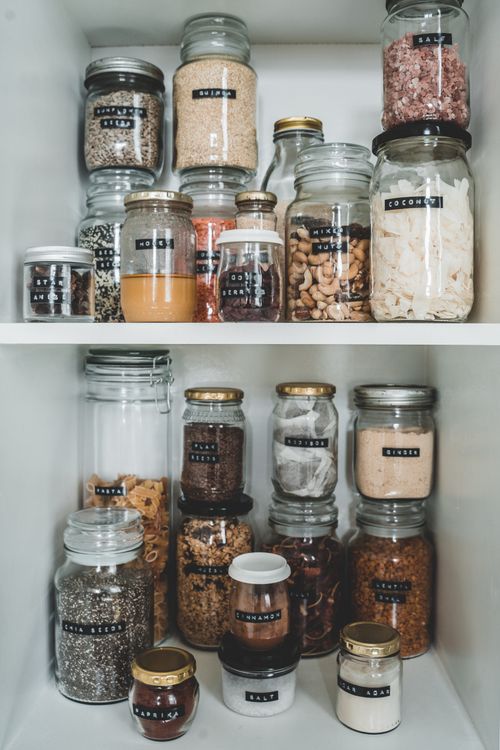
Stocking an Anti-Inflammatory Pantry
The plan\’s shopping list covers one week; these pantry staples make anti-inflammatory eating sustainable long-term:
- Fats: extra-virgin olive oil (your primary cooking and finishing fat), avocado oil for high-heat cooking
- Spices: turmeric, black pepper (essential for turmeric absorption), ginger (fresh and ground), cinnamon, garlic powder
- Teas: green tea, matcha, turmeric-ginger blends — replace one daily coffee or soda and the habit compounds
- Canned goods: wild salmon, sardines, coconut milk, tomatoes, chickpeas, lentils
- Grains and seeds: quinoa, brown rice, oats, chia seeds, flaxseed, hemp seeds, walnuts, almonds
- Flavor builders: miso paste, tahini, apple cider vinegar, raw honey (used sparingly)
Notice what\’s absent: no vegetable shortening, no sugary condiments, no refined-flour crackers. You don\’t have to purge your kitchen overnight — but as items run out, replace them with the anti-inflammatory version and the pantry transforms itself within a couple of months.
Drinks That Fight Inflammation
What you drink matters as much as what you eat, and beverages are the easiest swap in the whole pattern:
- Green tea: rich in EGCG, one of the most studied anti-inflammatory compounds in any beverage. Two to three cups daily is the research-associated range.
- Golden milk: warm milk (dairy or oat) with turmeric, black pepper, cinnamon, and a touch of honey — the plan\’s Day 3 snack. Comforting and functional.
- Ginger tea: fresh ginger steeped in hot water with lemon — excellent for digestion and a natural afternoon pick-me-up without caffeine.
- Tart cherry juice: unsweetened, diluted with water — studied for recovery and sleep quality as well as inflammation.
- What to cut: sugary sodas and energy drinks are the single most pro-inflammatory beverage category; alcohol in excess is next. You don\’t need perfection — but the daily two-soda habit is worth breaking.
Eating Out Without Derailing
Restaurant meals tend toward the pro-inflammatory: refined carbs, industrial seed oils, added sugars, and large portions. The defense is ordering strategy, not avoidance. Choose grilled, baked, or steamed proteins over fried; ask for olive oil and lemon instead of creamy dressings; double the vegetables instead of the fries; and pick restaurants whose cuisines naturally align — Japanese (fish, seaweed, ginger), Mediterranean (olive oil, vegetables, legumes), and Indian (turmeric, lentils, ginger) make anti-inflammatory ordering effortless.
For business lunches and social dinners, apply the 80/20 mindset: one restaurant meal doesn\’t erase a week of good eating, just as one salad doesn\’t fix a week of bad eating. Order the best available option without anxiety, enjoy it, and return to the pattern at the next meal. Sustainability beats perfection — the people who maintain anti-inflammatory eating for years are the ones who never made it stressful.
Your First Anti-Inflammatory Grocery Run
Prioritize in this order if the full list feels like a lot. First, the daily drivers: frozen berries (as nutritious as fresh, far cheaper), fresh ginger and turmeric, garlic, lemons, extra-virgin olive oil, oats, and green tea. These appear in the plan almost daily and deliver the most anti-inflammatory value per dollar.
Second, the proteins: salmon or mackerel for two dinners, canned wild salmon and sardines (pantry protein with maximum omega-3s), chicken breast, eggs, and Greek yogurt. Third, the produce: leafy greens, broccoli, sweet potatoes, and avocados — the vegetables that anchor the week\’s meals. Last, the pantry build: quinoa, lentils, chia and flaxseed, walnuts, tahini, and miso. Buy these once and they last for weeks of anti-inflammatory cooking beyond this plan.
A note on cost: the specialty items (matcha, hemp seeds, tart cherry juice) are nice-to-haves, not requirements. The plan\’s core anti-inflammatory power comes from the affordable basics — oily fish, berries, greens, olive oil, turmeric, and ginger. Start there; add the extras only if the budget is comfortable.
Frequently Asked Questions
What is the fastest way to reduce inflammation through diet?
There\’s no overnight fix, but the highest-impact changes are cutting added sugars and sugary drinks, replacing refined carbs with whole grains, adding fatty fish twice or more weekly, and cooking with olive oil instead of refined oils. Most people report feeling a difference in energy and joint comfort within two to three weeks of consistent changes.
Are eggs inflammatory?
Current evidence doesn\’t support eggs being meaningfully pro-inflammatory for most people — they\’re nutrient-dense and fine in moderation within an overall anti-inflammatory pattern. This plan includes eggs several times weekly. If you have a specific sensitivity, that\’s an individual matter to discuss with your doctor, not a general rule.
Is coffee bad for inflammation?
Coffee is actually associated with lower inflammatory markers in population studies, thanks to its polyphenol content. This plan leans on green tea and matcha for variety and L-theanine\’s calm focus, but a moderate coffee habit fits fine within an anti-inflammatory pattern — just watch the sugary additions.
What foods cause the most inflammation?
The strongest dietary associations with higher inflammation are added sugars and sugar-sweetened beverages, refined carbohydrates, processed and cured meats, trans fats (now largely phased out), excessive alcohol, and deep-fried foods. It\’s the overall pattern that matters most — occasional treats within a good pattern aren\’t the problem.
Can diet replace anti-inflammatory medication?
No — diet supports but doesn\’t replace medical treatment for inflammatory conditions like rheumatoid arthritis, IBD, or other autoimmune disorders. Think of anti-inflammatory eating as improving the terrain your treatment works in. Never stop or change prescribed medication based on dietary changes; discuss everything with your doctor.
How much turmeric should I eat daily?
Culinary amounts — roughly a teaspoon of ground turmeric daily across meals, as used in this plan — are the traditional and safe approach. Always pair it with black pepper and some fat to improve curcumin absorption. High-dose turmeric/curcumin supplements are a different matter with potential drug interactions — talk to your doctor before supplementing.
Is the anti-inflammatory diet the same as the Mediterranean diet?
They overlap heavily — both emphasize olive oil, fish, vegetables, legumes, and whole grains while minimizing processed foods. The anti-inflammatory pattern adds extra emphasis on specific functional foods (turmeric, ginger, berries, green tea) and omega-3 sources. If you like one, you\’ll like the other; our Mediterranean plan is a great follow-up week.
Will I lose weight on this meal plan?
Possibly, as a side effect — the plan is built around satiating whole foods with moderate calories (~1,700–1,850 daily), which naturally reduces intake for many people. But it\’s designed for inflammation support, not weight loss. If weight loss is your primary goal, our high-protein plan targets that more directly.
