Quick Authentic Tonkotsu Ramen Broth Recipe
⚡ Quick Recipe Summary (Direct Answer):
Quick Authentic Tonkotsu Ramen Broth Recipe takes 45 minutes total (15 mins prep, 30 mins cook). Yields 4 servings at approximately 380 kcal per portion. Perfect for Dinner.
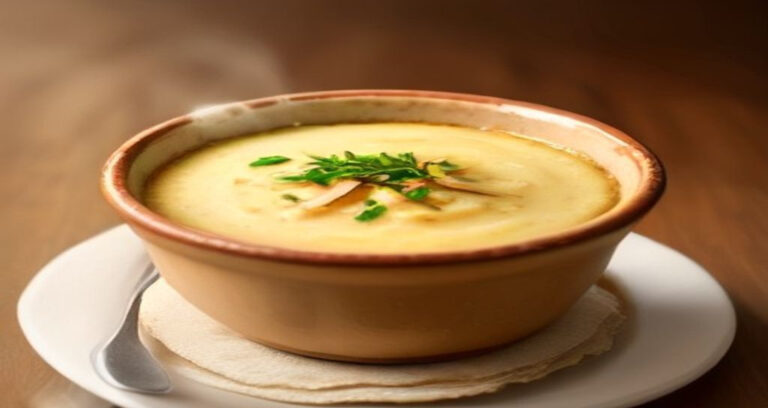
Traditional Japanese tonkotsu ramen broth is legendary for its rich, milky-white appearance and deep collagen-packed flavor, typically requiring 12 to 18 hours of continuous rolling boils. As culinary scientists, we have re-engineered this classic masterpiece to deliver the exact same velvety mouthfeel, intense pork umami, and glossy sheen in a fraction of the time, making it entirely feasible for a weeknight quick dinner.
By utilizing smart flavor extraction techniques and a high-efficiency kitchen appliance setup, this recipe breaks down connective tissues rapidly while emulsifying fats into water. The result is an authentically decadent ramen shop-quality broth right in your own kitchen, perfectly primed for your favorite noodles, chashu pork, and soft-boiled ajitsuke tamago eggs.
🔪 Recommended Kitchen Gear
Quick Authentic Tonkotsu Ramen Broth Recipe
4
🛒 Ingredients
👨🍳 Step-by-Step Directions
-
1
Step 1: Preheat your air fryer or oven to 400°F (200°C). Arrange the blanched pork bones, onion halves, garlic bulb, and ginger on a tray. Roast for 25 minutes until deeply browned and caramelized, developing rich Maillard compounds.
-
2
Step 2: Transfer the roasted bones and aromatics into a large heavy-bottomed stockpot or high-pressure cooker.
-
3
Step 3: Pour in the pork bone broth, filtered water, and optional shiitake mushrooms and kombu. Bring the mixture to a vigorous rolling boil over high heat, skimming off any scum that rises to the surface.
-
4
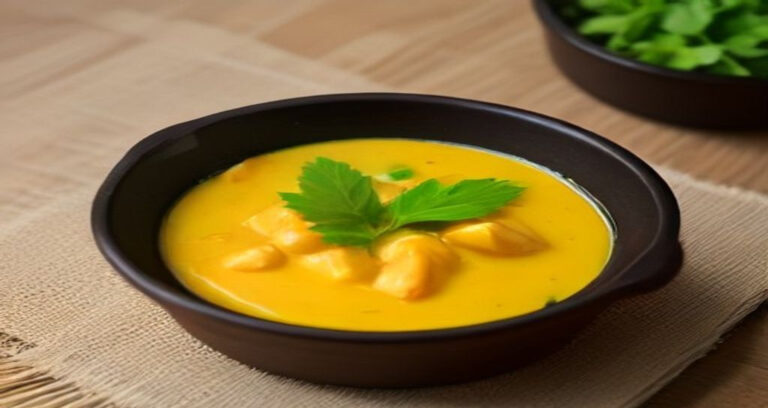
Step 4: Once boiling, reduce heat to medium-high. Cover partially and let it boil aggressively for 30 minutes, allowing the violent agitation to emulsify the fats and gelatin into a milky-white broth.
-
5
Step 5: Strain the broth through a fine-mesh sieve directly into a clean pot, pressing down on the solids to extract all liquid gold. Season with salt or tare to taste, and serve piping hot over fresh ramen noodles.
💡 Chef’s Secrets for Maximum Flavor
- Blanch your pork bones in a separate pot of boiling water for 10 minutes and rinse thoroughly before roasting to remove impurities and ensure a clean, sweet-tasting broth.
- Do not skip the heavy boil phase; aggressive agitation is chemically required to force fat droplets to emulsify with water for that signature creamy tonkotsu look.
- Roasting the aromatics and bones first adds incredible depth of flavor that usually takes hours of traditional simmering to achieve.
🧊 Storage & Reheating Instructions
Allow the broth to cool completely before transferring to an airtight container. Refrigerate for up to 4 days, or freeze in portions for up to 3 months. The fat may solidify on top when cold; simply reheat and stir to re-emulsify.
📊 Nutrition Facts (Per Serving)
Calories: 380
Protein: 22g
Carbs: 6g
Fat: 30g
Fiber: 1g
Sodium: 450mg
🔄 Variations & Ingredient Substitutions
- Vegetarian Option: Substitute pork bones with rich vegetable dashi, roasted mushrooms, and soy milk for a creamy vegetarian tonkotsu-style alternative.
- Gluten-Free: Ensure any added soy sauce or tare used for seasoning is explicitly certified gluten-free or substituted with tamari.
- Low-Sodium: Omit additional salt and rely on concentrated garlic, ginger, and kombu for natural umami depth.
❓ Frequently Asked Questions
Why is my tonkotsu broth clear instead of milky white?
A clear broth usually means the heat was too low or the bones didn't undergo enough violent agitation. Tonkotsu turns milky white because fat and gelatin emulsify into the liquid through a rolling boil, not a gentle simmer.
Can I make this ramen broth in a pressure cooker?
Yes! Pressure cooking at high pressure for 60 minutes after roasting the bones is an excellent shortcut to break down collagen and achieve a rich, gelatinous broth quickly.
How do I reheat leftover tonkotsu broth?
Pour the broth into a saucepan and heat over medium-high, whisking vigorously as it comes to a simmer to re-emulsify the fats that separated during refrigeration.