
Affiliate Disclosure: As an Amazon Associate I earn from qualifying purchases.
n
The most impactful food storage hacks that reduce waste are storing produce by ethylene sensitivity, using the right fridge zones for each food type, switching to airtight containers, and running a first-in-first-out rotation. Together, these simple systems can cut a household’s food waste dramatically — the average family throws away hundreds of dollars of food yearly, mostly from preventable spoilage.
Food waste isn’t just a money problem — it’s the single largest category of material in landfills, where it generates methane. But you don’t need to fix the planet to care: the average household loses a significant share of its grocery budget to food that spoils before it’s eaten. This guide covers the science of why food spoils in storage and the practical hacks — fridge zones, ethylene management, proper wrapping, freezing technique, and inventory systems — that keep food edible longer.
Why Food Spoils: The Three Enemies
| Enemy | How it spoils food | Defense |
|---|---|---|
| Moisture loss | Produce wilts; bread stales; meat surfaces dry out | Airtight wrapping, humidity-controlled drawers, proper containers |
| Ethylene gas | Ripening hormone from some fruits accelerates spoilage in neighbors | Separate producers from sensitive items |
| Microbes + time | Bacteria and mold multiply, faster at warm temperatures | Correct fridge zones, FIFO rotation, freeze before deadlines |
Hack 1: Master the Ethylene Separation
Some fruits emit ethylene gas, a natural ripening hormone that triggers nearby produce to ripen — then overripen, then rot. The fix is simply storing producers away from sensitive items:
| High ethylene producers (isolate these) | Ethylene-sensitive (keep away from producers) |
|---|---|
| Bananas, apples, avocados, tomatoes, onions, potatoes | Leafy greens, herbs, broccoli, cucumbers, peppers, berries |
Practical moves: don’t store onions with potatoes (both sprout and spoil faster together), keep bananas away from everything, and use the ethylene effect deliberately — put an unripe avocado in a paper bag with a banana to ripen it in a day or two.
Hack 2: Use Fridge Zones Correctly
Your fridge has meaningful temperature zones most people ignore:
- Top shelves: most consistent temperature — leftovers, drinks, ready-to-eat foods, herbs in water.
- Middle shelves: dairy, eggs (despite the door having an egg tray — the door is too warm).
- Bottom shelf: coldest zone — raw meat and fish, always on a tray to catch drips.
- Door: warmest, most temperature-fluctuated — condiments only, never milk or eggs.
- High-humidity drawer: leafy greens and herbs — the humidity prevents wilting.
- Low-humidity drawer: fruits and ethylene producers — the venting lets gas escape.
The single biggest fridge hack: stop storing milk in the door. Every door opening bathes it in warm air; moving it to a middle shelf can add days to its life.
Hack 3: Store Herbs Like Flowers
Soft herbs (parsley, cilantro, basil, mint) last two to three times longer treated as cut flowers: trim the stems, stand them in a jar with an inch of water, cover loosely with a produce bag, and refrigerate (basil prefers room temperature — cold blackens its leaves). Change the water every few days. Woody herbs (rosemary, thyme, oregano) prefer a barely-damp paper towel in a sealed bag or container.
Hack 4: The Paper Towel Trick for Greens
Washed salad greens rot from surface moisture. After washing and spinning dry, store greens in a container lined with a dry paper towel (or clean cloth), with another towel on top — the towels wick residual moisture that would otherwise breed slime. Replace the towel if it gets saturated. Greens stored this way routinely last 7–10 days instead of 3–4.
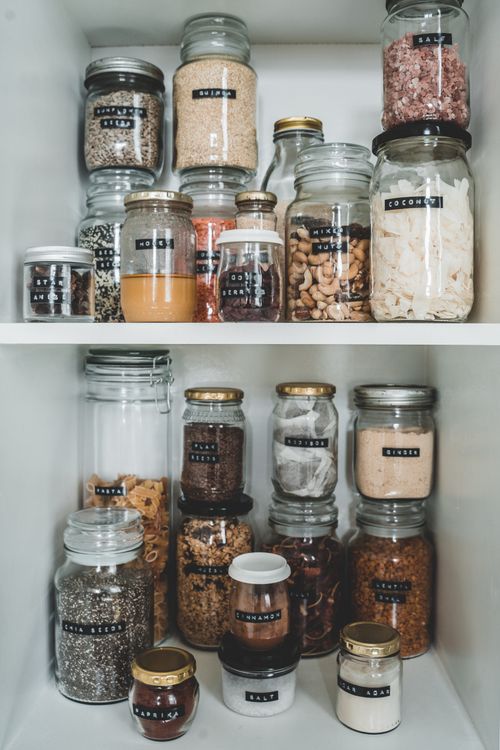
Hack 5: Airtight Containers for Everything
Oxygen and moisture exchange are spoilage accelerants, and original packaging is usually permeable. Decanting into airtight containers extends the life of:
- Dry goods: flour, rice, cereals, crackers (stale in days once opened otherwise)
- Opened fridge items: half-used tomato paste, opened broth, deli items
- Leftovers: glass containers with locking lids beat stretched plastic wrap for longevity
airtight glass food storage containers Check Price on Amazon → Glass doesn’t absorb odors or stains the way plastic does, making it the better long-term investment. For the full buying breakdown, see our food storage container guide.
Hack 6: Freeze Strategically, Not Desperately
The freezer is a pause button — but only if you press it in time and package correctly:
- Freeze before the deadline, not after: freeze meat, bread, and produce while still fresh, not when they’re already declining.
- Remove air: press freezer bags flat and squeeze out air, or vacuum-seal. Air causes freezer burn.
- Portion first: freeze in the portions you’ll use — flat bags of soup, single chicken breasts, individual sauce portions. Thawing a giant block to use a cup wastes the rest.
- Label everything: contents + date + quantity. Mystery packages get thrown away; labeled ones get eaten.
- Know the limits: most foods hold quality 2–3 months; beyond 6 months, even well-wrapped food degrades noticeably.
Hack 7: FIFO — First In, First Out
Grocery stores stock shelves so the oldest items sell first; do the same at home. New groceries go behind existing ones. Keep a “use first” bin or shelf in the fridge for items nearing their date — half-used vegetables, leftovers on day three, yogurt near expiry. When you open the fridge hungry, the use-first bin is where you look first.
Hack 8: Revive Instead of Tossing
A huge share of “waste” is food that’s merely tired, not spoiled:
- Wilted greens and herbs: 10 minutes in ice water crisps most of them back.
- Stale bread: sprinkle with water and bake 10 minutes at 350°F, or convert to croutons, breadcrumbs, or French toast.
- Sad vegetables: roast them — caramelization forgives limp carrots and soft peppers completely. Or blitz into soup.
- Overripe fruit: smoothies, banana bread, compotes, and sauces exist precisely for this.
- Sour milk (just turned): still fine for pancakes, biscuits, and marinades where heat does the safety work — but if it smells truly off or is lumpy in the carton, discard it.
Learn the difference between “declining quality” and “unsafe”: slimy lunch meat, moldy soft foods, and anything smelling of rot go in the trash — no revival attempt is worth food poisoning.
Hack 9: The Weekly Inventory Ritual
Once a week — before grocery shopping, not after — spend five minutes scanning the fridge and pantry: what’s expiring, what’s half-used, what needs a plan. Then build 1–2 meals around those items (“use-up meals”: stir-fries, soups, frittatas, and fried rice are purpose-built for this). Shopping from your inventory first cuts both waste and the grocery bill.
Hack 10: Buy and Prep Smarter
- Shop with a list built from the inventory check — impulse produce is the #1 waste source.
- Don’t overbuy perishables “for the week” unless you’ll actually cook them; two smaller shops beat one big shop for fresh food.
- Prep on arrival: wash and store greens properly, portion snacks, freeze what you won’t use in 3 days. Fifteen minutes of intake processing saves hours of waste later.
- Understand date labels: “best by” and “sell by” are quality suggestions, not safety deadlines (except on infant formula). “Use by” on perishables deserves more respect. Your nose and eyes are better judges than the printed date for most foods.
Bread Storage: Keeping Loaves Fresh Longer
Bread stales fastest in the refrigerator — cold temperatures accelerate starch retrogradation (the crystallization that makes bread firm and dry), so the fridge is the worst place for bread despite feeling like “proper” storage. For bread you’ll eat within 2–3 days, a bread box or paper bag at room temperature is ideal: the box balances humidity so crusts stay crisp-ish and crumbs stay soft.
For longer storage, the freezer wins decisively: slice the loaf first, wrap tightly in foil or a freezer bag with air pressed out, and freeze. Frozen slices toast directly from frozen in minutes — effectively fresh bread on demand for weeks. Sliced-and-frozen is the highest-value bread hack there is: it eliminates both staling waste and the “I forgot to buy bread” problem in one move.
Cheese Storage Done Right
Cheese is alive and needs to breathe — plastic wrap suffocates it, trapping ammonia and moisture that breed off-flavors and slime. The proper method: wrap cheese in wax or parchment paper first (breathable), then loosely in plastic or a silicone cover (humidity control). Specialty cheese paper does both jobs in one, but the two-layer DIY method works nearly as well.
Store cheese in the warmest part of the fridge (the vegetable drawer, not the cold back), and take it out 30–60 minutes before serving — cold mutes flavor dramatically. Hard cheeses (Parmesan, aged cheddar) last weeks; soft cheeses (brie, fresh mozzarella) last days and should be eaten promptly. Blue cheese gets its own container — its mold happily colonizes neighboring cheeses. And the rind on aged cheese is edible and flavorful; stop cutting it off and throwing away the best part.
Pantry Staples: The Forgotten Waste Source
Pantry waste is invisible because it happens slowly — the flour that went rancid, the spices that faded to dust, the oils that turned. Whole grains and whole-wheat flour contain oils that go rancid within 1–3 months at room temperature; store them in the freezer in airtight bags and they’ll last a year. Ground spices lose potency after about a year (whole spices last 2–3 years) — date them when opened and do an annual purge.
Cooking oils oxidize with heat, light, and air: store them in a cool, dark cabinet (not next to the stove, despite what every kitchen layout suggests), buy sizes you’ll use within a few months, and refrigerate delicate oils like walnut or flaxseed. Nuts go rancid too — their high oil content means room-temperature storage lasts weeks, while freezer storage lasts a year. Taste before you toss, though: rancid is a distinct paint-like off-flavor, and slightly-less-fresh is still fine for cooking.
Frequently Asked Questions
How long do leftovers last in the fridge?
Three to four days for most cooked foods, per USDA food-safety guidance. Store them in airtight containers, refrigerate within two hours of cooking (one hour if it’s very hot out), and reheat to steaming throughout. When in doubt about day five, freeze on day two instead — the freezer pause button beats the trash can.
Should onions and potatoes be stored together?
No — it’s one of the classic storage mistakes. Onions emit ethylene and moisture that make potatoes sprout and spoil faster, and potatoes’ moisture makes onions moldy. Store both in cool, dark, ventilated spots but separately. And keep both away from the fridge: cold converts potato starch to sugar (off flavors) and makes onions mushy.
Do airtight containers really keep food fresh longer?
Yes, measurably. They block the moisture exchange that stales dry goods and wilts produce, keep odors from migrating, and prevent the freezer burn that ruins frozen food. The effect is biggest on opened dry goods (crackers, cereal) and leftovers — days of extra life versus original packaging or loose wrapping.
How do you keep herbs fresh for two weeks?
Trim stems and stand soft herbs (parsley, cilantro, mint) in a jar of water in the fridge, covered loosely with a bag; keep basil the same way but at room temperature. Change the water every 2–3 days. Woody herbs (rosemary, thyme) do best wrapped in a barely-damp towel inside a sealed container. This reliably doubles or triples herb life.
What foods should never go in the fridge?
Tomatoes (cold kills flavor and texture — store at room temp), whole onions and potatoes (cold makes them sweet/mushy; store cool, dark, and dry), unripe avocados and bananas (cold halts ripening), bread (fridge temperatures accelerate staling — freeze instead), and honey (it crystallizes). Garlic also prefers cool, ventilated, room-temp storage.
How can I tell if food is still safe to eat?
Use sight, smell, and texture: slime, off-odors, mold on soft foods, and fizzy or swollen packaging mean discard. Date labels help but aren’t safety deadlines (except infant formula). The golden rule: when in doubt, throw it out — no amount of saved money justifies food poisoning. High-risk foods (meat, dairy, leftovers) deserve stricter judgment than condiments and dry goods.
Does freezing food kill bacteria?
No — freezing pauses bacterial growth but doesn’t kill most bacteria; they reactivate on thawing. That’s why you must freeze food while it’s still fresh, thaw safely (in the fridge, not on the counter), and cook thawed food promptly. The freezer is a pause button, not a reset button.
What’s the best way to organize a fridge to reduce waste?
Zone by temperature (meat bottom, dairy middle, condiments door), use high/low humidity drawers correctly, keep a visible “use first” bin for soon-to-expire items, and do a weekly 5-minute inventory before shopping. Visibility is the real trick — food you can see gets eaten; food hidden in drawers gets forgotten and wasted.
