
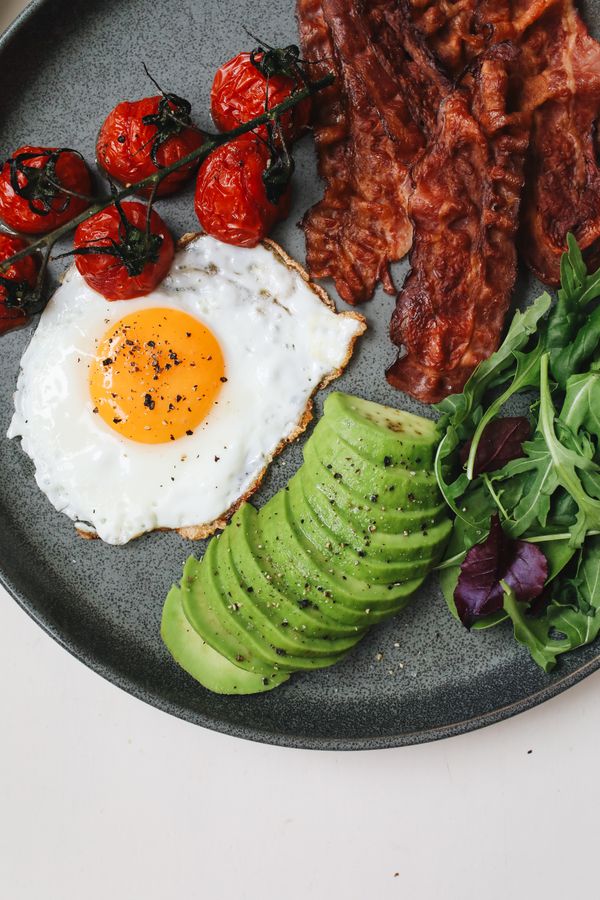
Your keto electrolytes daily needs are higher than on a standard diet: roughly 3,000–5,000 mg of sodium, 1,000–3,500 mg of potassium, and 300–500 mg of magnesium per day. When insulin drops on keto, your kidneys excrete more sodium and water, dragging potassium and magnesium along — and failing to replace them causes the headaches, cramps, fatigue, and heart flutters most beginners blame on keto itself.
This guide covers why keto increases electrolyte needs, the exact daily targets for each mineral, the best food sources ranked by practicality, how to supplement cheaply and safely, and the special situations (exercise, heat, fasting) that raise needs further. If you have kidney disease, heart failure, or take diuretics or blood-pressure drugs, get medical guidance before supplementing — electrolyte shifts that are trivial for healthy kidneys can be risky otherwise.
Why Keto Drains Electrolytes Faster
Three mechanisms combine to increase your mineral losses on a ketogenic diet:
- Lower insulin → more sodium excretion. Insulin tells the kidneys to retain sodium; when carb restriction drops insulin, the kidneys release sodium freely. This is the primary driver.
- Glycogen depletion dumps water. Each gram of stored glycogen holds about 3 grams of water. Burning through 300–500 g of glycogen in your first week flushes liters of water — and dissolved minerals — out through urine.
- Lower food volume and variety. Cutting out grains, legumes, fruit, and starchy vegetables removes major dietary sources of potassium and magnesium unless you deliberately replace them with leafy greens, avocados, nuts, and seeds.
The result is a perfect storm in weeks 1–3: increased losses plus decreased intake. After adaptation, losses stabilize but remain somewhat elevated compared to a high-carb diet — which is why long-term keto dieters keep salting their food generously.
Sodium: The Most Important Keto Electrolyte
Daily target: 3,000–5,000 mg of sodium (about 1.5–2.5 teaspoons of table salt total across the day, from all sources). This sounds shocking if you\’ve absorbed decades of \”cut salt\” messaging, but that advice targets sedentary high-carb eaters with hypertension — a different population with different kidney behavior.
Signs you need more sodium
- Headache, especially in the afternoon
- Lightheadedness when standing up quickly
- Fatigue that food doesn\’t fix
- Feeling cold or sluggish
- Cravings that vanish after something salty
Easiest ways to get it
- Salt your food aggressively — this alone covers most people
- 1–2 cups of bouillon or bone broth daily (~800–1,000 mg sodium per cup)
- Pickles, olives, and fermented vegetables — salty snacks that pull double duty
- Soy sauce, fish sauce, and miso in cooking
- A pinch of salt in your water bottle on active or hot days
Practical test: if a salty broth makes your headache fade within an hour, you were sodium-depleted. Make it a daily habit rather than an emergency fix.
Potassium: The Cramp and Heart-Flutter Mineral
Daily target: 1,000–3,500 mg of potassium from food (supplements are limited to ~99 mg per pill in many countries due to regulations, so food does the heavy lifting). Potassium works with sodium to regulate fluid balance, nerve signals, and muscle contractions — including your heartbeat, which is why deficiency can cause palpitations.
Top keto potassium sources
| Food | Serving | Potassium (approx.) |
|---|---|---|
| Avocado | 1 whole | ~975 mg |
| Spinach, cooked | 1 cup | ~840 mg |
| Salmon | 170 g fillet | ~850 mg |
| Mushrooms, cooked | 1 cup | ~550 mg |
| Broccoli, cooked | 1 cup | ~460 mg |
| Brussels sprouts | 1 cup | ~340 mg |
| Zucchini | 1 medium | ~510 mg |
| Lite salt (potassium chloride) | ¼ teaspoon | ~350 mg |
One avocado plus a big spinach salad plus salmon gets you most of the way there. Lite salt (half sodium chloride, half potassium chloride) is the budget supplement hack — a quarter teaspoon in broth or water adds meaningful potassium for pennies. Don\’t mega-dose potassium supplements without medical supervision, especially if you have any kidney issues.
Magnesium: The Sleep, Cramp, and Calm Mineral
Daily target: 300–500 mg of magnesium, ideally with some from a supplement since modern diets (keto or not) commonly fall short. Magnesium powers 300+ enzymatic reactions, regulates muscle relaxation (hence its link to cramps), and supports sleep quality and stress resilience.
Signs of low magnesium
- Nighttime leg cramps or restless legs
- Trouble falling or staying asleep
- Muscle twitches (eyelid twitches are classic)
- Irritability and tension headaches
- Constipation
Food vs. supplements
Best keto food sources: pumpkin seeds (156 mg per ounce — the champion), almonds, spinach, dark chocolate (85%+), and mackerel. But hitting 400 mg from food alone takes deliberate effort, so most keto dieters supplement 200–400 mg of magnesium glycinate or citrate in the evening. Glycinate is gentlest on the stomach and best for sleep; citrate also helps constipation but can loosen stools at higher doses. Avoid magnesium oxide — it\’s cheap because it\’s poorly absorbed.
The Calcium Question (the Forgotten Electrolyte)
Calcium rarely makes keto electrolyte guides, but it deserves a mention: dairy-heavy keto diets usually supply plenty (cheese, yogurt), while dairy-free keto dieters should watch intake. Canned sardines and salmon with bones, leafy greens, and almonds cover it. If you avoid dairy entirely, consider whether your calcium lands near 1,000 mg/day — chronically low calcium affects bone density over years, not days, so this is a long-game check.
When Your Electrolyte Needs Spike
Baseline targets assume normal life. Increase intake when:
- Exercise and sweat: an hour of hard training can cost 500–1,500 mg of sodium. Salt proactively before long sessions, not after collapse.
- Heat and saunas: summer heat, hot climates, and sauna sessions dramatically increase sodium and water losses.
- Illness: vomiting or diarrhea depletes everything fast — broth and electrolytes become urgent, not optional.
- Fasting: extended fasts (24+ hours) remove food-based electrolytes entirely; supplement sodium, potassium, and magnesium on fasting days.
- Alcohol: alcohol is a diuretic that worsens every keto electrolyte issue — hydrate and salt if you drink.
- The first two weeks: losses peak during glycogen depletion; this is when aggressive supplementation matters most.
A Simple Daily Electrolyte Routine
Here\’s what a practical day looks like — no expensive products required:
- Morning: large glass of water with a pinch of salt and lemon; salt your breakfast generously
- Midday: 1 cup bouillon or bone broth (or salted water with lite salt); avocado or big salad for potassium
- Afternoon: another pinch of salt in water if training or it\’s hot; handful of pumpkin seeds or almonds
- Evening: magnesium glycinate/citrate (200–400 mg) 30–60 minutes before bed; salt dinner well
Total cost: a few cents a day. Compare that to $40-a-month \”keto electrolyte\” powders delivering a fraction of these doses plus flavoring — the markup is staggering once you read labels.
DIY Keto Electrolyte Drinks (3 Recipes)
Forget $40 powders. These cost cents and deliver real doses:
1. The Basic Ketorade (daily driver)
- 1 liter of water
- ¼ teaspoon table salt (~575 mg sodium)
- ¼ teaspoon lite salt / potassium chloride (~350 mg potassium + ~350 mg sodium)
- Juice of half a lemon
- Optional: a few drops of stevia or monk fruit if you need it palatable
Sip through the morning. This single bottle covers a large chunk of your elevated needs.
2. Pre-Workout Salt Bomb
- 500 ml water
- ½ teaspoon salt (~1,150 mg sodium)
- ¼ teaspoon lite salt
- Squeeze of lemon or lime
Drink 30 minutes before training. The sodium expands blood plasma volume slightly, improving performance and preventing the dizzy spells keto athletes get mid-session.
3. Evening Calm (magnesium focus)
- 250 ml warm water or herbal tea
- 200–400 mg magnesium glycinate or citrate powder
- Pinch of salt
- Teaspoon of lemon juice
Drink 30–60 minutes before bed. Supports sleep, prevents nighttime leg cramps, and tops up the mineral most people under-consume.
Flavor tip: the reason commercial electrolytes taste better is citric acid and flavoring, not superior minerals. A $3 bag of citric acid from the baking aisle plus lemon juice gets you 90% of the way there.
Electrolytes and Medications: Important Interactions
This section matters — electrolyte supplementation isn\’t risk-free for everyone:
- Blood pressure medications (ACE inhibitors, ARBs, spironolactone): these drugs raise potassium retention. Adding potassium salt or supplements on top can push potassium dangerously high. If you take these, get potassium from food only and discuss supplementation with your doctor.
- Diuretics: some (like thiazides) waste potassium and magnesium — increasing your need; others (potassium-sparing) do the opposite. Know which type you\’re on.
- Diabetes medications: keto itself lowers blood sugar; combined with insulin or sulfonylureas, hypoglycemia risk rises. Electrolytes don\’t directly interact, but the dietary context demands medical supervision.
- Kidney disease: impaired kidneys can\’t excrete excess potassium or magnesium efficiently. Supplement only under nephrology guidance.
- Heart conditions: both deficiency and excess of potassium affect cardiac rhythm. If you have arrhythmias or heart failure, supplement to medical targets, not internet targets.
For healthy adults not on these medications, the targets in this guide are conservative and well-tolerated. For everyone else, bloodwork beats guesswork — a basic metabolic panel shows exactly where your sodium, potassium, and magnesium stand.
Frequently Asked Questions
Can I get too much sodium on keto?
It\’s difficult for healthy people — your kidneys excrete excess efficiently, especially with keto\’s elevated losses. People with hypertension, heart failure, or kidney disease are the exception and should follow their doctor\’s sodium guidance rather than keto internet targets.
Why do \”keto flu\” symptoms return months in?
Almost always a new depletion trigger: increased training, summer heat, illness, or a carb refeed that restarted the flush cycle. Veterans recognize the pattern instantly and reach for salt rather than questioning the whole diet.
Are sugar-free electrolyte drinks okay?
Check the label: most contain trivial mineral amounts (100–200 mg sodium) plus sweeteners. They\’re fine as flavored water but don\’t count them toward your targets — you\’d need half a dozen to equal one cup of broth.
Should I supplement potassium pills?
Food first — avocado, spinach, salmon, and lite salt easily cover needs. Potassium pills are dose-limited by regulation and rarely move the needle. Exception: your doctor may prescribe potassium if bloodwork shows deficiency.
Does coffee dehydrate me on keto?
Mildly, but coffee still counts toward fluid intake — the diuretic effect is smaller than the water in the cup. Just don\’t let coffee replace your salty fluids, and add an extra glass of water per few cups.
What about trace minerals like zinc?
Meat-heavy keto diets supply ample zinc and iron. If you eat little red meat, include shellfish, pumpkin seeds, or eggs regularly. A basic blood panel once a year catches anything the diet misses.
Can electrolytes help keto constipation?
Yes — magnesium citrate (200–400 mg) plus adequate water and salt resolves most keto constipation, since dehydration and low magnesium are the usual causes. Add fiber from leafy greens, chia, or flax before trying stronger remedies.
Do I need electrolytes forever on keto?
The aggressive first-weeks protocol can relax after adaptation, but the habit of salting food generously and eating potassium-rich vegetables should stay. Think of it as permanent keto hygiene, like brushing your teeth — low effort, high return.
How do I tell electrolyte issues apart from ordinary tiredness?
Electrolyte-related fatigue comes with signature companions: headache, muscle cramps, dizziness on standing, or heart flutters. Plain tiredness doesn\’t. The definitive test is response — if salty broth and water noticeably improve you within an hour, minerals were the problem.
Can I overdo potassium with lite salt?
It\’s difficult through food and lite salt alone — healthy kidneys excrete excess potassium efficiently. Risk arises mainly with potassium supplements in large doses, or if you take ACE inhibitors, ARBs, or have kidney disease. When in doubt, get a basic metabolic panel rather than guessing.
Do I still need extra electrolytes on rest days?
Yes, though slightly less than training days. Keto\’s baseline elevation in mineral excretion doesn\’t take days off — it follows your diet, not your workout schedule. Keep the daily broth-and-salt habit constant and add extra only around sweat-heavy activity.
What\’s the cheapest effective electrolyte setup?
Table salt, lite salt (potassium chloride), and a bottle of magnesium citrate or glycinate — total cost a few dollars a month. Add lemons for flavor. This outperforms every $40 \’keto electrolyte\’ powder on mineral content per dollar by an enormous margin.
