
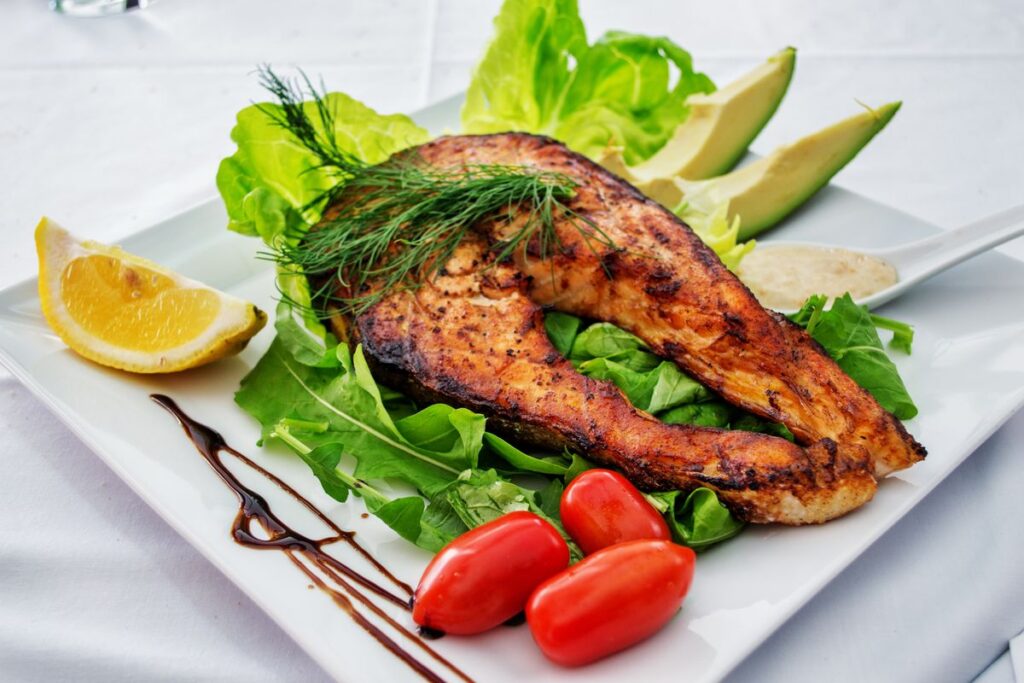
This keto lemon garlic butter chicken is the 25-minute one-skillet dinner you will cook on repeat: golden-seared chicken thighs nestled in a silky lemon-butter pan sauce with garlic, capers, and fresh herbs. At 3 g net carbs per serving, it tastes like a restaurant dish but uses a single pan and pantry staples — proof that keto weeknight cooking can be both effortless and genuinely elegant.
Why This Recipe Works
The magic is in the technique, not exotic ingredients. Chicken thighs are seared hard for a deeply browned crust, then the same pan — with all its fond (those caramelized browned bits) — becomes the sauce: butter, garlic, lemon, and chicken broth reduced into a glossy emulsion, brightened with capers and herbs. Deglazing captures flavor that would otherwise be lost, and the whole dish builds in layers in one pan.
Chicken thighs are the right cut here. Unlike breast, thighs stay juicy through searing and simmering, their extra fat keeps the dish satisfying without added carbs, and they are cheaper. Bone-in, skin-on thighs give the crispiest skin and richest sauce; boneless thighs cook faster. Both work — pick based on your evening\’s patience.
Ingredients
- 2 lbs (900 g) boneless, skinless chicken thighs (or 2 1/2 lbs bone-in, skin-on)
- 1 teaspoon salt, plus more to taste
- 1/2 teaspoon black pepper
- 1 teaspoon paprika
- 1/2 teaspoon garlic powder
- 2 tablespoons olive oil or avocado oil
- 5 tablespoons butter, divided
- 6 cloves garlic, thinly sliced
- 1/2 cup dry white wine or chicken broth (wine adds brightness; broth keeps it alcohol-free)
- 1 cup chicken broth (low-sodium preferred)
- Juice and zest of 2 lemons (about 1/4 cup juice)
- 2 tablespoons capers, drained
- 1 teaspoon Dijon mustard (emulsifier + depth)
- 1/4 cup heavy cream (optional, for a richer sauce)
- Fresh parsley and thyme, chopped, to serve
- Lemon slices, for garnish
Method
- Prep the chicken. Pat the thighs completely dry with paper towels — surface moisture is the enemy of browning. Season both sides with salt, pepper, paprika, and garlic powder.
- Sear hard. Heat the oil in a large skillet over medium-high heat until shimmering. Add the thighs in a single layer (work in batches if needed) and sear 5–6 minutes per side until deeply golden with a crisp crust. Transfer to a plate; they will finish cooking in the sauce.
- Sauté the garlic. Reduce heat to medium. Add 2 tablespoons of the butter to the skillet. Add the sliced garlic and cook 1–2 minutes, stirring, until golden and fragrant — not brown, which turns bitter.
- Deglaze. Pour in the wine (or 1/2 cup broth), scraping up every browned bit from the pan. Simmer 2–3 minutes until reduced by half. This fond is pure flavor — do not leave it behind.
- Build the sauce. Add the remaining chicken broth, lemon juice, lemon zest, capers, and Dijon. Simmer 4–5 minutes until slightly reduced and the flavors meld.
- Return the chicken. Nestle the seared thighs back into the skillet, spooning sauce over them. Simmer 8–10 minutes (longer for bone-in, 12–15 minutes), until the chicken reaches 165°F internally and the sauce has thickened to coat a spoon.
- Finish with butter. Remove from heat. Swirl in the remaining 3 tablespoons of cold butter, one tablespoon at a time — this emulsifies the sauce into silkiness (the classic monter au beurre technique). Stir in the cream if using.
- Serve. Shower with fresh parsley and thyme, garnish with lemon slices, and spoon plenty of sauce over each portion.
Macros (per serving, 1/4 of recipe with sauce)
| Nutrient | Amount |
|---|---|
| Calories | ~480 |
| Protein | ~36 g |
| Fat | ~33 g |
| Total carbs | ~4 g |
| Fiber | ~1 g |
| Net carbs | ~3 g |
Using wine instead of broth adds negligible carbs after reduction (alcohol cooks off, leaving trace sugars). Bone-in thighs shift macros slightly.
Tips for Perfect Lemon Garlic Butter Chicken
- Dry chicken sears; wet chicken steams. Patting the thighs dry is the single most impactful prep step for a golden crust.
- Do not crowd the pan. Overcrowding drops the temperature and the chicken steams instead of searing. Two batches beat one crowded one.
- Slice garlic, do not mince. Thin slices turn sweet and golden; minced garlic burns in the time it takes to build fond flavor.
- Control the lemon. Lemon juice added early mellows into the sauce; a final squeeze of fresh juice at the end adds brightness. Use both stages for layered citrus flavor.
- Cold butter finishes best. Adding cold butter off the heat emulsifies rather than melting into grease — the difference between a glossy sauce and an oily one.
- Taste the sauce before serving. Lemons vary wildly in acidity. Balance with salt first, then a pinch of keto sweetener only if it is mouth-puckering.
Variations
- Creamy Tuscan style: add the heavy cream plus a cup of baby spinach and halved cherry tomatoes in step 6.
- Piccata: use thin chicken cutlets, double the capers, skip the cream — a lighter, sharper profile.
- With asparagus: add trimmed asparagus spears to the skillet for the last 6–8 minutes of simmering; they cook in the sauce.
- Dairy-free: replace butter with ghee or olive oil and skip the cream; the sauce will be thinner but still bright and delicious.
- Herb variations: rosemary and oregano push it Mediterranean; tarragon makes it French bistro.
Storage and Reheating
Refrigerate: leftovers keep 3–4 days in an airtight container, with the chicken stored in the sauce so it stays moist.
Reheat gently: warm in a skillet over low heat until just heated through. Butter-emulsion sauces can split if boiled — low and slow preserves the silkiness. A splash of broth loosens the sauce if it thickened in the fridge.
Freeze: freeze up to 2 months, though the emulsion may separate slightly on thawing; whisking while reheating usually restores it. For best texture, freeze the seared chicken and make the sauce fresh — it takes only 10 minutes.
Serving Ideas
Spoon over cauliflower mash to catch every drop of sauce, or serve with roasted asparagus and a simple green salad for a light dinner. Zucchini noodles tossed in the pan sauce make it feel like a pasta dish. For guests, plate the thighs over a swoosh of sauce with lemon slices and herbs — it looks like a $28 bistro plate from a $10 skillet.
Pan Sauce Masterclass: 5 Variations on the Base
Once you can build this lemon-garlic pan sauce, you own a template. Swap the finishing flavors:
- Creamy garlic parmesan: skip the lemon; finish with 1/2 cup cream + 1/2 cup parmesan instead of butter. Rich, Alfredo-adjacent, kid-approved.
- Sun-dried tomato & basil: add 1/3 cup chopped sun-dried tomatoes with the broth; finish with torn basil instead of parsley. Instant Tuscan vibes.
- Mushroom marsala: sauté 8 oz sliced mushrooms after searing the chicken; deglaze with 1/2 cup dry marsala instead of wine. Earthy and elegant.
- Spicy Calabrian: add 1 tablespoon chopped Calabrian chiles with the garlic; finish with extra lemon. Bright heat that wakes up the whole dish.
- Dijon herb: double the Dijon to 2 tablespoons, add 1 teaspoon each of chopped rosemary and thyme. French-bistro territory.
The method never changes: sear protein → sauté aromatics → deglaze → reduce → enrich with cold butter or cream. Learn it once, improvise forever.
Side Dish Pairing Guide
| Craving | Pair With | Why |
|---|---|---|
| Comfort food night | Cauliflower mash | Silky base that drinks up the sauce |
| Light & fresh | Arugula + shaved parmesan salad | Peppery greens cut the butter richness |
| Pasta night (keto) | Zucchini noodles or palmini | Tossed in the pan sauce, genuinely satisfying |
| Company dinner | Roasted asparagus + lemon | Looks elegant, cooks while chicken simmers |
| Meal prep week | Roasted green beans + cauliflower rice | Both reheat well; sauce keeps everything moist |
| Mediterranean spread | Greek salad + olives | The lemon-garlic profile fits right in |
Wine and Drink Pairings
- White wine: Sauvignon Blanc or unoaked Chardonnay — citrus and acidity mirror the sauce. (~2–3 g carbs per 5 oz.)
- Light red: Pinot Noir works if you prefer red; its brightness suits the lemon profile better than heavy reds.
- Beer: a crisp lager or Belgian-style ale; keto-friendly light lagers run 2–3 g carbs.
- Zero-proof: sparkling water with lemon and thyme, or a virgin French 75 (lemon, sparkling water, touch of monk fruit).
Cooking for Company: Doubling and Timing
- Doubling: sear chicken in batches (never crowd), then combine everything in a large Dutch oven or roasting pan for the simmer. Sauce ingredients scale linearly; use a 12-inch+ skillet or split across two.
- Dinner-party timeline: sear chicken up to 2 hours ahead and hold at room temperature; build the sauce 30 minutes before guests arrive; combine and simmer while everyone has appetizers. The dish holds 20 minutes on low without suffering.
- Family-style serving: bring the whole skillet to the table on a trivet — it looks spectacular and keeps the sauce hot. Scatter fresh herbs tableside for the finishing touch.
- Buffet holding: transfer to a slow cooker on WARM for up to 2 hours; stir occasionally and add a splash of broth if the sauce thickens.
One-Pan Cleanup and Storage Tips
- Deglaze while warm: pour hot water into the skillet right after serving — the fond lifts off effortlessly before it hardens.
- Cast iron care: if using cast iron, dry the pan on heat immediately after washing and rub with a thin layer of oil to maintain seasoning.
- Sauce storage: leftover pan sauce keeps 4 days refrigerated and freezes beautifully in ice-cube trays — drop a cube into any future sauté for instant flavor.
- Lemon storage: zested lemons dry out fast — juice them immediately and freeze the juice in ice-cube trays for future pan sauces.
Lemon Varieties: Does It Matter?
Yes, subtly. Eureka lemons (the standard grocery kind) are bright and acidic — ideal for this sauce\’s punch. Meyer lemons are sweeter, floral, and less acidic; they make a softer, more aromatic sauce but you may need an extra squeeze to reach the same brightness. Preserved lemons (a Moroccan staple) add intense salty-citrus depth — mince a tablespoon of rind into the sauce for a sophisticated twist. Whatever you use, always use fresh juice; bottled lemon juice tastes flat and slightly metallic against the butter\’s richness.
Chef\’s secret: a teaspoon of finely grated lemon zest stirred in right at the end — after the butter — adds a burst of fresh citrus aroma that cooked juice alone cannot deliver. It is the difference between good and memorable.
Frequently Asked Questions
Can I use chicken breast instead of thighs?
Yes, but adjust: pound breasts to even thickness, sear 4–5 minutes per side, and simmer only 6–8 minutes in the sauce to avoid dryness. Thighs are more forgiving and flavorful, but breast works for those prioritizing lean protein.
Why did my sauce split or look greasy?
The butter was added over too-high heat or all at once. Fix: remove from heat, add cold butter one tablespoon at a time while swirling, and whisk in a teaspoon of Dijon or a splash of cream to re-emulsify. Prevention beats repair — always finish off-heat.
Is white wine okay on keto?
In cooking, yes — the alcohol cooks off during reduction and the residual sugars are minimal (well under 1 g per serving). If you prefer to avoid it entirely, chicken broth plus an extra squeeze of lemon gives a similar brightness.
How do I make the sauce thicker?
Simmer longer to reduce, or whisk in 1/4 teaspoon xanthan gum (sprinkle, do not dump, to avoid clumps). The cream version thickens naturally. Avoid flour or cornstarch — they are not keto.
Can I add vegetables to the skillet?
Absolutely. Asparagus, green beans, spinach, mushrooms, and artichoke hearts all cook beautifully in the sauce. Add quick-cooking greens in the last 3–4 minutes; denser vegetables like green beans need 8–10 minutes.
What is the best pan for this recipe?
A large stainless steel or cast-iron skillet — both build excellent fond (the browned bits that become the sauce). Nonstick works but produces less fond, meaning a less flavorful sauce. If using nonstick, extend the sear time slightly for better color.
