
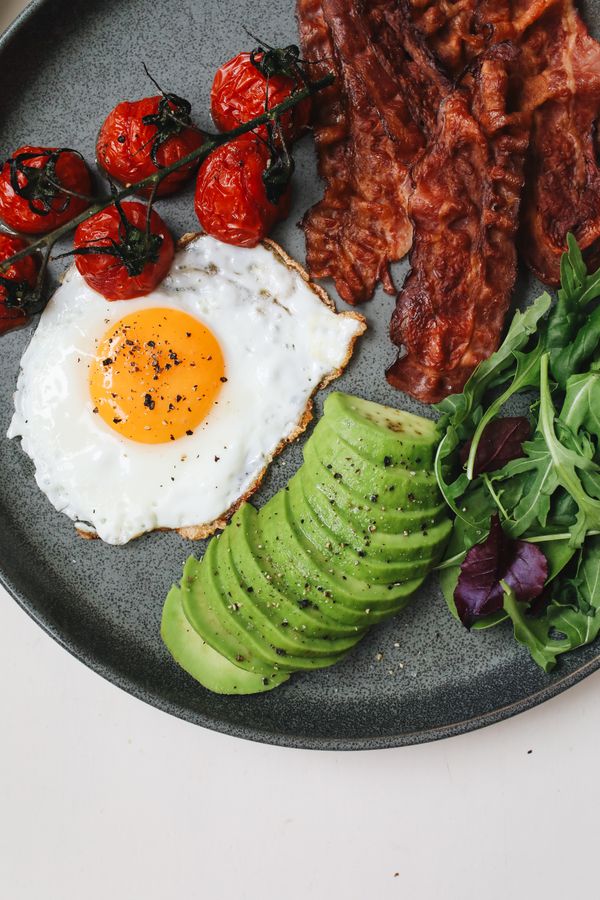
A keto weekly meal prep plan is the difference between thriving on low carb and ordering takeout by Wednesday. The concept is simple: spend about two hours on Sunday batch-cooking versatile proteins, fats, and low-carb sides, then assemble fresh-tasting meals all week in under 10 minutes. This guide gives you the full system — what to cook, the exact order to cook it in, how long everything keeps in the fridge and freezer, and how to reheat each component so it tastes freshly made. No repetitive \”chicken and broccoli five days straight\” misery. Instead you get mix-and-match building blocks that turn into tacos, salads, bowls, and skillet dinners on demand. As with any major diet change, talk to your doctor before starting keto, especially if you take medication for blood sugar or blood pressure.
The 2-Hour Sunday Prep Session
Efficiency comes from sequencing, not speed. Start the longest-cooking items first, use dead time for chopping, and let the oven and slow cooker work in parallel. Here is the exact order:
| Time | Task | What Is Cooking |
|---|---|---|
| 0:00 | Preheat oven to 200°C (400°F). Season 1kg chicken thighs and get them in the oven. | Chicken thighs (35 min) |
| 0:05 | Start the slow cooker: pork shoulder with salt, pepper, smoked paprika, garlic. | Pulled pork (4 hrs low — finishes after session) |
| 0:10 | Brown 800g ground beef in two batches in a large skillet. Season half for tacos, leave half plain. | Ground beef (20 min) |
| 0:15 | Boil 8 eggs (10 minutes, then ice bath). Start bacon in the oven on a sheet pan. | Eggs, bacon (20 min) |
| 0:35 | Pull chicken from oven to rest. Roast cauliflower rice and zucchini on the freed racks. | Vegetables (20 min) |
| 0:40 | Chop week vegetables: lettuce, cucumber, celery, bell peppers. Make dressings and dips. | Hands-on prep |
| 1:00 | Make fat bombs and portion snacks: nuts, cheese, olives into grab bags. | Snacks |
| 1:20 | Cool everything 20 minutes, pack into containers, label with contents and date. | Packing |
| 1:40 | Wipe down, load dishwasher, done. Pork finishes in the slow cooker; shred and pack when cool. | Cleanup |
The pork shoulder is your bonus: it needs no attention during the session and gives you four-plus servings of the week\’s most versatile protein for almost zero extra effort.
Batch-Cook Proteins: The Foundation
Protein is the anchor of every keto meal, so cook more than you think you need. Aim for roughly 2.5 to 3 kilograms of cooked protein total, which covers five days of lunches and dinners for one person with margin. Here is the lineup and why each earns its place:
1. Oven-Roasted Chicken Thighs (1kg, bone-in, skin-on)
Season generously with salt, pepper, garlic powder, and paprika. Roast at 200°C (400°F) for 35 minutes until the skin is crisp and the juices run clear. Thighs beat breasts for meal prep because dark meat stays juicy through reheating, while breast dries out by day three. Slice or shred half for salads and tacos; keep half on the bone for satisfying sit-down dinners. A large rimmed sheet pan keeps the rendering fat contained and makes cleanup one wipe.
2. Seasoned Ground Beef (800g, 80/20)
Brown in two batches so it sears instead of steams — crowding the pan is the number one reason batch ground beef turns gray and soggy. Season half with taco spices and leave half with just salt and pepper for maximum versatility. Ground beef reheats better than almost any protein and works in taco bowls, stuffed peppers, lettuce wraps, and \”egg roll in a bowl\” style skillets.
3. Slow-Cooker Pulled Pork (1kg shoulder)
The ultimate set-and-forget keto protein. A pork shoulder rubbed with salt, smoked paprika, garlic powder, and a little brown sugar substitute cooks on low for 8 hours into shreddable richness. It freezes beautifully in portion bags and reheats in a skillet with its own fat. Cost per serving is among the lowest of any keto protein, which matters when you are eating this way long term.
4. Oven Bacon (300g)
Lay rashers on a sheet pan and bake at 200°C (400°F) for 18 to 20 minutes. Oven bacon cooks evenly with zero babysitting and zero grease splatter on your stovetop. Crumble it over salads, wrap it around asparagus, or eat it straight as the world\’s most satisfying snack. Save the rendered bacon fat in a jar; it is liquid gold for roasting vegetables all week.
5. Hard-Boiled Eggs (8)
Bring to a boil, cover, rest 10 minutes off heat, then plunge into ice water. The ice bath is non-negotiable: it stops the cooking and shrinks the egg from the shell, making peeling dramatically easier. Eggs are the Swiss Army knife of keto prep — breakfast, salad topping, deviled eggs, or emergency protein when the day runs sideways.
Prep Your Fats and Flavor Boosters
Fat is fuel on keto, but plain fat is boring. Prepping flavor-packed fat sources on Sunday means every assembly takes 30 seconds and tastes intentional:
- Guacamole (3 avocados): Mash with lime juice, salt, and diced onion. Press plastic wrap directly onto the surface to block air and keep it green for two days. The lime\’s acidity is what actually slows browning.
- Herb butter: Soften 125g of butter and mash in minced garlic, parsley, and lemon zest. Roll into a log in plastic wrap and slice coins all week to melt over steak, fish, and vegetables.
- Ranch and vinaigrette: Whisk a simple olive oil vinaigrette (3:1 oil to vinegar) and a sour-cream ranch. Homemade dressings skip the hidden sugars and starches in many bottled versions.
- Peanut butter fat bombs: Melt 100g coconut oil with 100g natural peanut butter and 30g cocoa powder, pour into silicone molds, freeze 30 minutes. Two fat bombs kill a sweet craving for 1 gram of net carbs each.
- Crispy cheese crackers: Bake tablespoon mounds of Parmesan at 200°C (400°F) for 6 minutes. They keep a week in an airtight container and replace chips for every dip you own.
Low-Carb Sides in Bulk
Sides are where most keto meal preps fail, because plain steamed vegetables get depressing by Thursday. Roast instead of steam, season aggressively, and prep three varieties so you can rotate:
Cauliflower rice (1 large head, riced): Spread thin on a sheet pan with olive oil and salt, roast at 200°C (400°F) for 20 minutes until golden at the edges. Thin layers are the secret; piled-up cauliflower rice steams into mush. It reheats in a skillet with butter in three minutes and soaks up sauces like a champ.
Roasted zucchini and bell peppers: Cut into chunky pieces so they survive reheating without collapsing. Toss with olive oil, salt, and Italian seasoning. These caramelize beautifully and bring color to every bowl.
Buttery green beans: Blanch 400g of green beans for 3 minutes, shock in ice water to lock in the bright green color, then portion. Reheat in a skillet with butter and slivered almonds. The blanch-and-shock method keeps them crisp-tender through two reheats.
Mashed cauliflower: Steam one head until very soft, then blend with butter, cream cheese, and roasted garlic. It genuinely scratches the mashed-potato itch and holds four days refrigerated. Reheat with a splash of cream to restore the silkiness.
Build Your Week: 5 Days of Mix-and-Match Meals
Here is the payoff. Each day below assembles entirely from your prepped components in under 10 minutes. No recipe required, just combinations:
| Day | Lunch (assemble) | Dinner (reheat + assemble) | Est. Net Carbs |
|---|---|---|---|
| Monday | Taco salad: ground beef, lettuce, cheese, guacamole, sour cream | Chicken thighs + roasted zucchini + herb butter | ~12g |
| Tuesday | Chef salad: chopped egg, bacon, chicken, cheddar, ranch | Pulled pork + cauliflower rice + green beans | ~14g |
| Wednesday | Lettuce wraps: pulled pork, coleslaw, hot sauce | Taco skillet: ground beef, peppers, cauliflower rice, cheese melted on top | ~13g |
| Thursday | Egg and avocado plate: 2 eggs, half avocado, cheese crackers | Chicken + mashed cauliflower + roasted peppers, herb butter melted over | ~12g |
| Friday | Clean-out bowl: all remaining proteins over greens with vinaigrette | Egg roll in a bowl: ground beef + shredded cabbage + soy sauce + sesame oil | ~11g |
Breakfasts all week: rotate between hard-boiled eggs with avocado, reheated egg muffins, and Greek yogurt with pecans. Keep breakfast boring and automatic; save your decision energy for the rest of the day.
Storage Guide: How Long Everything Keeps
Proper storage is what separates a successful prep week from a sad Thursday of questionable leftovers. Follow this table and label every container with the prep date:
| Prepped Item | Fridge | Freezer | Storage Notes |
|---|---|---|---|
| Cooked chicken thighs | 4 days | 3 months | Keep on the bone if possible; stays juicier |
| Ground beef | 4 days | 3 months | Freeze flat in bags for fast thawing |
| Pulled pork | 4 days | 3 months | Freeze with its cooking juices |
| Bacon | 5 days | 1 month | Layer with parchment so slices separate |
| Hard-boiled eggs | 7 days | Do not freeze | Keep unpeeled until use |
| Roasted vegetables | 4 days | 2 months | Cool fully before sealing to avoid sogginess |
| Cauliflower rice | 4 days | 3 months | Re-crisp in a skillet, never microwave alone |
| Mashed cauliflower | 4 days | 1 month | Texture softens after freezing; add cream on reheat |
| Guacamole | 2 days | Not recommended | Plastic wrap pressed on surface |
| Herb butter | 2 weeks | 3 months | Log in plastic wrap, slice as needed |
| Fat bombs | 2 weeks | 3 months | Keep cold; coconut oil melts fast |
| Dressings | 1 week | Do not freeze | Shake before use; separation is normal |
Invest in airtight glass food storage containers: they do not stain, do not hold odors, and go from fridge to microwave to dishwasher without complaint. Portion proteins into single-meal containers so you only reheat what you will eat.
Reheating Without Ruining Texture
Reheating is a skill, and the microwave is often the wrong tool. Match the method to the food:
- Chicken thighs and pork: Skillet over medium heat with a splash of water or broth, covered, 5 minutes. The steam gently reheats while the direct heat re-crisps the exterior. Microwaving makes them rubbery.
- Ground beef: Skillet, no added liquid needed, 4 minutes, breaking it up. Add a slice of cheese at the end for a melt that tastes freshly cooked.
- Roasted vegetables and cauliflower rice: Hot skillet with butter or bacon fat, 3 to 4 minutes, undisturbed for the first two minutes so they re-crisp. This single trick makes day-four vegetables taste like day one.
- Mashed cauliflower: Saucepan over low heat with a splash of heavy cream, stirring. Microwaves create hot spots and a gluey texture.
- Bacon: 10 seconds in the microwave between paper towels, or a hot skillet for 60 seconds. Do not overdo it; cooked bacon needs only warming.
- Eggs: Eat cold or at room temperature. Reheated eggs turn sulfurous and rubbery, so plan them as cold components.
The golden rule: reheat low and slow with added moisture or fat, and never reheat any food more than once.
Food Safety Rules for Meal Preppers
- Cool cooked food from hot to room temperature within two hours, then refrigerate. Divide large batches into shallow containers to cool faster.
- Keep the fridge at or below 4°C (40°F). If your fridge runs warm, your four-day proteins become three-day proteins.
- Thaw frozen portions overnight in the fridge, never on the counter. In a hurry, use the cold-water method: sealed bag in cold water, changed every 30 minutes.
- Reheat leftovers to steaming hot throughout, 74°C (165°F) for poultry and pork.
- When in doubt, throw it out. A week\’s prep is not worth a bout of food poisoning; the four-day rule exists for a reason.
Reminder: talk to your doctor before adopting a ketogenic diet, especially if you take medication for diabetes, blood pressure, or kidney conditions, or if you are pregnant or breastfeeding. Very-low-carb eating changes fluid balance and medication needs.
Frequently Asked Questions
How many hours does a keto weekly meal prep plan actually take?
About two hours of active work on Sunday, plus unattended oven and slow-cooker time that runs in parallel. The sequencing in this guide is designed so you are never standing around waiting. After two or three weeks the routine drops closer to 90 minutes as chopping and packing become automatic and familiar.
Will I get bored eating prepped keto food all week?
Not with a mix-and-match system. Boredom comes from eating the same finished meal five times, not from versatile components. The same ground beef becomes taco salad Monday, a taco skillet Wednesday, and egg roll in a bowl Friday. Rotate your spice profiles weekly — Mexican one week, Italian the next — and it stays fresh.
Can I freeze a full week of keto meal prep?
Freeze most of it using the 4-plus-3 split: refrigerate four days of food and freeze the rest on prep day, then move frozen portions to the fridge the night before you need them. Pulled pork, ground beef, and chicken thighs freeze excellently; roasted vegetables and mashed cauliflower are acceptable; eggs and guacamole should never be frozen.
What containers are best for keto meal prep?
Airtight glass containers with locking lids are the gold standard: they do not absorb odors or stains from turmeric and tomato, they reheat evenly, and they last for years. Use single-serving sizes for lunches so you reheat only what you eat, and larger containers for bulk proteins. Silicone freezer bags work well for flat-freezing ground beef and pulled pork.
How do I keep meal-prepped chicken from drying out?
Three things: choose thighs over breasts, since dark meat tolerates reheating far better; store chicken with a spoonful of its cooking juices or broth; and reheat gently in a covered skillet with added moisture instead of blasting it in the microwave. Slicing or shredding before storage also helps, because smaller pieces reheat faster and more evenly.
Is keto meal prep more expensive than regular meal prep?
It can be slightly pricier because quality protein costs more than rice and pasta, but smart shopping closes the gap. Buy pork shoulder, chicken thighs, and ground beef instead of premium cuts, buy nuts and cheese in bulk, and remember that prepped food you actually eat is far cheaper than takeout. Most preppers find their total food spending drops.
