
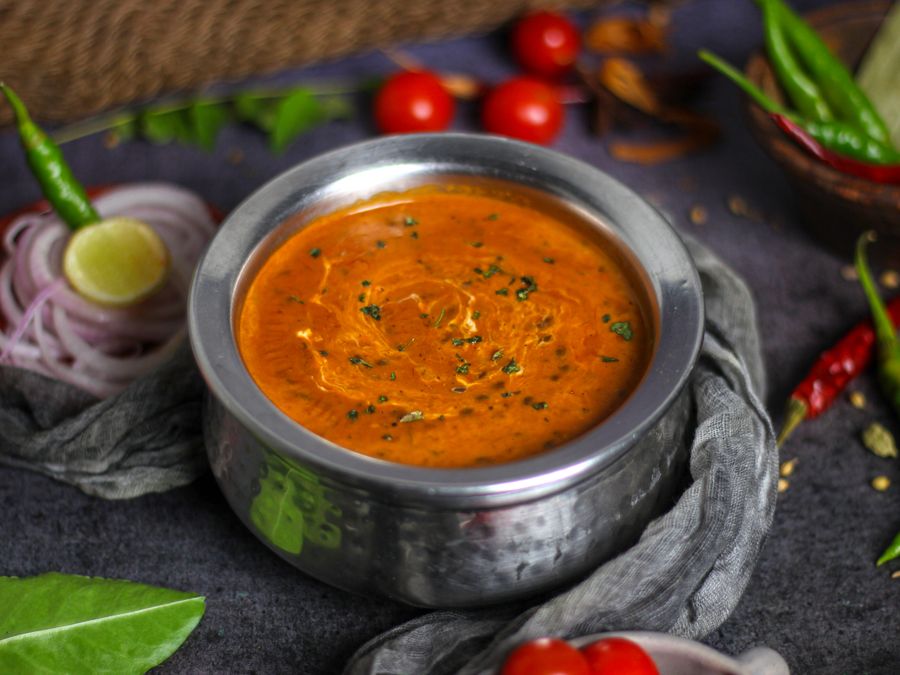
Learning how to make garam masala from whole spices takes about 15 minutes: toast 2 tablespoons each of coriander seeds and cumin seeds with smaller amounts of cardamom, cloves, cinnamon, black peppercorns, and bay leaf in a dry skillet until fragrant (2 to 4 minutes), cool completely, then grind to a fine powder in a spice grinder. The result is dramatically more aromatic than any store-bought jar.
Garam masala, meaning \”warming spice blend,\” is the finishing spice of North Indian cooking, stirred in at the end of curries, dals, and marinades for a burst of complex aroma. Pre-ground jars lose their volatile oils within months, but whole spices stay potent for a year or more. This guide explains how to make garam masala from whole spices step by step, the role of each spice, regional variations, and how to store your blend for maximum potency.
Why Whole Spices Beat Pre-Ground Every Time
Spices owe their flavor to volatile aromatic compounds, essential oils trapped inside the seed or bark. The moment a spice is ground, those compounds begin escaping into the air. Studies of ground spice potency show dramatic aroma loss within 3 to 6 months, while whole spices stored properly retain their character for 1 to 3 years. A jar of pre-ground garam masala from the supermarket may have been ground a year before you bought it.
Toasting adds a second dimension. Gentle dry heat triggers the Maillard reaction and caramelization in the spices\’ natural sugars and proteins, deepening flavors and releasing fat-soluble aromatics. Cumin becomes nuttier, coriander turns citrusy-sweet, and cloves intensify. This is why even a simple blend of freshly toasted and ground spices tastes like a different ingredient from its stale pre-ground equivalent.
There is also the matter of control. Commercial blends vary wildly and often bulk up on cheap coriander and cumin while skimping on expensive cardamom. Making your own lets you tune the blend to your taste: more heat, more sweetness, more warmth, exactly as your cooking demands.
The Spices and What Each One Does
A classic North Indian garam masala balances warm, sweet, pungent, and earthy notes. Here is the role of each component in the blend below:
- Coriander seeds: the mild, citrusy base that rounds out stronger spices. Forms the bulk of most blends.
- Cumin seeds: earthy, nutty warmth. The second pillar of the blend alongside coriander.
- Green cardamom pods: intensely aromatic, sweet-floral, and expensive. The luxury note that defines great garam masala.
- Black peppercorns: sharp heat and pungency that lifts the whole blend.
- Cloves: powerful, sweet, almost numbing warmth. A little goes a long way.
- Cinnamon or cassia: sweet woodiness that ties the blend together. True Ceylon cinnamon is milder; cassia is bolder.
- Bay leaves: subtle herbal depth, best from Indian bay (tej patta) if available.
- Black cardamom (optional): smoky and camphorous, used in heartier, rustic blends.
- Nutmeg or mace (optional): sweet warmth that enriches the finish, added sparingly.
How to Make Garam Masala From Whole Spices: Step by Step
Step 1: Measure Your Spices
For a standard batch (about 1/2 cup of finished blend), measure: 3 tablespoons coriander seeds, 2 tablespoons cumin seeds, 1 tablespoon black peppercorns, 8 to 10 green cardamom pods (lightly crushed to expose seeds), 6 to 8 whole cloves, 2 cinnamon sticks (3-inch) broken up, 2 bay leaves, and optionally 1 black cardamom pod and 1/4 teaspoon freshly grated nutmeg. Consistency matters less than freshness; small variations are how family recipes are born.
Step 2: Toast in a Dry Skillet
Heat a heavy skillet over medium-low heat. Add all the whole spices except nutmeg (which burns easily) and toast, shaking or stirring constantly, for 2 to 4 minutes. You are looking for three signs: a deeply fragrant aroma that fills the kitchen, slight darkening of the seeds, and cumin seeds that dance and pop faintly. Do not walk away; spices go from toasted to burnt in under a minute, and burnt spices turn bitter throughout the blend.
Step 3: Cool Completely Before Grinding
Transfer the toasted spices to a plate immediately and spread them out to cool for at least 10 minutes. Grinding warm spices releases steam that condenses inside the grinder, producing a gummy paste instead of a free-flowing powder and dulling the grinder\’s blades over time. Patience here pays off in texture.
Step 4: Grind to a Fine Powder
Grind in a dedicated spice grinder or a clean coffee grinder in short pulses, shaking between pulses to redistribute. Sift through a fine-mesh strainer and re-grind any coarse bits. The finished powder should feel like fine sand with no visible flakes of bay leaf or cinnamon bark. If using nutmeg, grate it in now and pulse briefly to combine.
Step 5: Store for Maximum Freshness
Transfer to a small airtight glass jar and store away from heat, light, and moisture, never above the stove. Homemade garam masala stays vibrant for 3 to 6 months, far longer than the few weeks of peak flavor in commercial ground blends. Make small batches you will use within a few months rather than one giant batch.
Spice Ratio Reference Table
| Style | Coriander : Cumin | Signature Additions | Character |
|---|---|---|---|
| Classic North Indian | 3 : 2 tbsp | Cardamom, cloves, cinnamon | Warm, balanced, aromatic |
| Punjabi (hearty) | 2 : 2 tbsp | Black cardamom, extra pepper | Bold, smoky, robust |
| Mughlai (rich) | 3 : 1 tbsp | Extra cardamom, nutmeg, mace | Sweet, floral, luxurious |
| South Indian style | 2 : 1 tbsp | Curry leaves, star anise | Brighter, more pungent |
These are starting points, not laws. In India, garam masala is a family recipe, not a standard formula, and blends vary by region, household, and even dish. Taste your blend and adjust: too flat, add pepper and cloves; too harsh, add coriander and cinnamon; too dull, add cardamom.
Toasting Science: What Heat Does to Spices
Toasting works through two chemical pathways. First, heat volatilizes essential oils, making them more immediately aromatic when the spice hits hot food. Second, temperatures above roughly 280°F (140°C) initiate Maillard browning between the spices\’ proteins and sugars, creating new roasted, nutty flavor compounds that raw spices lack. This is the same chemistry behind seared steak crust and toasted bread.
The window is narrow because the same heat that creates flavor destroys it. Essential oils evaporate completely with prolonged heating, and past the browning point, bitter carbonized compounds dominate. Medium-low heat, constant motion, and your nose as the instrument: when the aroma peaks and turns from raw to roasted, the spices are done. Trust fragrance over the clock.
Common Mistakes When Making Garam Masala
- Burning the spices. High heat or inattention produces bitter, acrid notes that ruin the batch. Medium-low and constant stirring, always.
- Grinding while warm. Steam makes paste, not powder. Cool completely on a plate first.
- Using stale whole spices. Whole spices older than 2 to 3 years have lost their oils. If they smell like dust rather than spice, replace them.
- Overloading the grinder. Grind in small batches for an even powder; an overfilled grinder leaves coarse chunks.
- Storing above the stove. Heat and steam degrade ground spices rapidly. A cool, dark cabinet preserves potency.
- Making too much. Even homemade blends fade after 6 months. Small, frequent batches beat one annual mega-batch.
How to Use Fresh Garam Masala
Garam masala is traditionally a finishing spice, stirred into curries, dals, and sauces in the final minutes of cooking or sprinkled over the finished dish. Added early, its delicate aromatics cook off; added late, they bloom in the residual heat. Use 1/2 to 1 teaspoon per dish serving four, adjusting to taste.
Beyond curries, try it in marinades for chicken tikka and tandoori, in spiced rice and biryanis, dusted over roasted vegetables, whisked into yogurt for raita, or even in baking: garam masala adds intriguing warmth to apple pie, carrot cake, and chai-spiced cookies. A pinch in hot chocolate is revelatory.
Buying, Grinding, and Storing Whole Spices
Your garam masala is only as good as the whole spices behind it. Buy from high-turnover sources: Indian grocery stores, spice specialists, or bulk bins with rapid restocking. Whole spices should smell potent the moment you open the bag; if you have to strain to detect aroma, they are already stale. Check harvest or packing dates when available, and buy quantities you will use within a year.
Store whole spices in airtight glass jars away from heat, light, and moisture. A cool, dark cabinet is ideal; the refrigerator introduces condensation every time the jar opens. Kept properly, coriander and cumin seeds stay vibrant for 2 to 3 years, peppercorns even longer, while ground spices fade within months. This longevity gap is the entire economic argument for grinding fresh.
Dedicate a blade grinder to spices and never use it for coffee; spice oils permeate plastic and taint everything after. To clean between blends, grind a tablespoon of raw rice to powder, which absorbs residual oils and aromas, then wipe out. A mortar and pestle, while slower, gives unmatched control for small batches and never overheats delicate aromatics the way an overworked electric grinder can.
Frequently Asked Questions
What spices are in garam masala?
A classic garam masala contains coriander seeds, cumin seeds, green cardamom, black peppercorns, cloves, cinnamon, and bay leaf, with optional black cardamom, nutmeg, and mace. There is no single official recipe; blends vary by region and family across India. The unifying idea is a balance of warm, sweet, and pungent aromatics.
How long does homemade garam masala last?
Homemade garam masala stays vibrant for 3 to 6 months in an airtight jar stored in a cool, dark place. Whole spices keep 1 to 3 years, which is why grinding fresh in small batches is the best strategy. If your blend smells faintly dusty rather than intensely aromatic, it is past its prime.
Can I make garam masala without a spice grinder?
A blade coffee grinder reserved for spices works perfectly and is what most home cooks use. A high-powered blender can work for larger batches but struggles with small ones. A mortar and pestle produces excellent results with more effort; it is actually ideal for small batches and gives you complete control over texture.
What is the difference between garam masala and curry powder?
Garam masala is an Indian finishing blend focused on warm aromatics like cardamom, cinnamon, and cloves, usually without turmeric. Curry powder is a British invention based on Indian flavors, typically containing turmeric (for yellow color), more coriander and cumin, and fenugreek. They are not interchangeable, though both suit curry-style dishes.
Should I remove cardamom pods before grinding?
Lightly crush the pods to expose the seeds, but grind pods and seeds together; the papery husks grind fine and contribute flavor. Some cooks prefer using only the inner seeds for a more refined powder. Either approach works, though whole-pod grinding is the traditional method and wastes none of the expensive spice.
Can I toast spices in oil instead of dry?
Yes, and it is a different technique with different results. Blooming spices in hot oil or ghee (tadka) extracts fat-soluble flavors directly into the cooking fat and is fundamental to Indian cooking. Dry-toasting before grinding is for blends; oil-blooming is for building a dish\’s base. Many recipes use both at different stages.
Is garam masala spicy hot?
Garam masala is warm and aromatic rather than chili-hot. Its \”heat\” comes from black pepper, cloves, and ginger-like pungency, not from capsaicin. It will not make a dish fiery; chilies do that. If you want heat in your blend, add dried red chilies to the toasting mix, a common variation in some regional styles.
How much garam masala should I use in curry?
Start with 1/2 to 1 teaspoon per dish serving four, added in the final 5 minutes of cooking or sprinkled over the finished dish. Fresh homemade garam masala is significantly more potent than stale commercial blends, so begin conservatively and adjust. You can always stir in more at the table, but you cannot remove it once added.
Can I grind garam masala in a regular blender?
A high-powered blender works for larger batches but struggles with the small quantities typical of spice blends, leaving coarse chunks. A blade coffee grinder reserved for spices is the better tool for most home cooks. For the finest powder and full control, a mortar and pestle handles small batches beautifully with a bit of elbow grease.
