
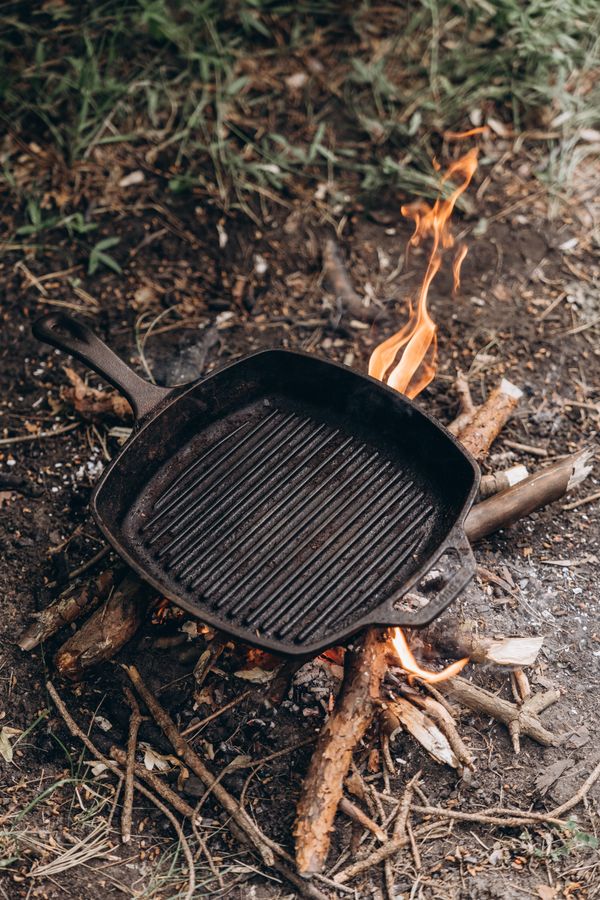
Learning how to sear steak in cast iron is the fastest way to get a restaurant-quality crust at home. The method is simple: bring a thick steak to room temperature, pat it completely dry, season generously with salt and pepper, preheat a cast iron skillet until it just starts to smoke, sear 2 to 4 minutes per side in a high-smoke-point oil, and finish with butter, garlic, and herbs while basting.
Cast iron is the ideal pan for this job because it holds heat better than almost any other cookware. That stored thermal energy is what drives the Maillard reaction, the browning chemistry that creates hundreds of flavor compounds on the steak\’s surface. In this guide, you will learn exactly how to sear steak in cast iron step by step, which cuts work best, the temperatures that matter, and the mistakes that turn a great steak gray and steamy instead of brown and crusty.
What Searing Actually Does: The Science of the Crust
Searing is not about \”sealing in juices.\” That idea has been disproven for decades; moisture escapes from meat regardless of whether the surface is browned. What searing actually does is trigger the Maillard reaction, a cascade of chemical reactions between amino acids and sugars that begins around 285°F (140°C) and accelerates rapidly above 350°F (175°C).
The Maillard reaction produces the deep brown color and the roasted, savory, complex flavors we associate with a great steak. A pale gray steak is not under-seasoned; it simply never got hot enough on its surface for long enough. Cast iron excels here because of its thermal mass. A heavy 12-inch skillet stores an enormous amount of heat energy, so when a cool steak hits the pan, the surface temperature drops far less than it would in a thin stainless or nonstick pan.
There is a second factor: surface moisture. Water cannot exceed 212°F (100°C) until it fully evaporates, so a wet steak will steam at 212°F while you wait for browning that cannot begin until the surface passes 285°F. This is why patting the steak dry is arguably the single most important step in the entire process. A dry surface browns in minutes; a wet one steams for minutes first, overcooking the interior before the crust ever forms.
Choosing the Right Steak for Cast Iron Searing
Thick steaks sear best in cast iron. Aim for cuts at least 1 to 1.5 inches thick. Thin steaks cook through before a proper crust can develop, which forces a choice between a gray exterior and an overcooked interior. Thickness buys you time: time for the crust to build while the center climbs gently toward your target temperature.
The best cuts for this method are well-marbled ones. Marbling, the white flecks of intramuscular fat, melts during searing and bastes the meat from within, keeping it juicy and adding flavor. Excellent choices include:
- Ribeye: the king of cast iron steaks, with abundant marbling and a rich beefy flavor. The fat cap renders beautifully against the hot iron.
- New York strip: a firmer chew than ribeye with a bold mineral flavor and a satisfying fat edge.
- Filet mignon: extremely tender but lean, so it benefits the most from butter basting. Sear it slightly less aggressively to avoid drying it out.
- Sirloin: a budget-friendly option that rewards proper technique; slice against the grain for tenderness.
- Porterhouse and T-bone: two steaks in one, combining strip and tenderloin. Their size makes them ideal for the reverse-sear variation described below.
Avoid very lean or very thin cuts like flank steak or minute steaks for pan searing; they are better suited to grilling or quick stir-fry methods. If you buy frozen steak, thaw it fully in the refrigerator for 24 hours before cooking, and never sear a steak that is still icy in the center.
Equipment and Ingredients You Will Need
Cast iron steak searing requires very little gear, which is part of its appeal. Gather everything before the pan gets hot, because the process moves fast once it starts.
- A 12-inch cast iron skillet, well-seasoned. A 10-inch works for one steak; a 12-inch fits two without crowding.
- Tongs with a firm grip. Never pierce the steak with a fork, which lets juices escape.
- An instant-read thermometer. This is the difference between guessing and knowing, and it is the single best investment for better steak.
- A high-smoke-point oil: avocado oil, refined safflower oil, or clarified butter/ghee. Extra-virgin olive oil smokes and turns bitter at searing temperatures.
- Kosher salt and coarsely ground black pepper.
- For basting: unsalted butter, crushed garlic cloves, and hardy herbs like thyme or rosemary.
- A wire rack set over a plate or sheet pan for resting the steak.
How to Sear Steak in Cast Iron: The 7 Steps
Step 1: Bring the Steak Toward Room Temperature
Take the steak out of the refrigerator 30 to 45 minutes before cooking and let it sit on a plate at room temperature. A fridge-cold steak chills the pan on contact and cooks unevenly, with a gray band of overcooked meat beneath the surface. You are not trying to warm it through, just taking the deep chill off so the heat can work evenly.
Step 2: Pat the Surface Completely Dry
Press the steak firmly on all sides with paper towels until no visible moisture remains. Repeat with fresh towels if needed. As explained above, surface moisture is the enemy of browning. Many cooks also salt at this stage and rest the steak uncovered in the fridge for up to 24 hours, a technique called dry-brining, which draws moisture out and then reabsorbs the seasoned liquid for deeper flavor.
Step 3: Season Generously
Season all surfaces, including the edges, with kosher salt and coarse black pepper. Use more salt than feels comfortable; much of it stays on the crust. If you dry-brined overnight, go lighter on the salt now. Pepper can burn at extreme heat, so some cooks add it after searing, but a moderate amount applied before is standard and delicious.
Step 4: Preheat the Cast Iron Skillet
Place the dry skillet over medium-high heat for 4 to 5 minutes until it is thoroughly heated. Add a thin film of high-smoke-point oil and heat until it shimmers and just begins to smoke. The pan must be genuinely hot before the steak goes in. If the oil is not smoking faintly, the pan is not ready, and the steak will stick and steam instead of sear.
Step 5: Sear Without Moving the Steak
Lay the steak in the pan away from you to avoid splatter, and press it down lightly for full contact. Then leave it alone. Sear 2 to 4 minutes per side for a 1.5-inch steak, flipping once. Resist the urge to move it around; constant contact is what builds the crust. Use tongs to sear the fat-cap edge for 30 to 60 seconds as well, which renders the fat and adds flavor.
Step 6: Baste With Butter, Garlic, and Herbs
During the final minute, reduce the heat to medium, add 2 to 3 tablespoons of butter with crushed garlic and herb sprigs, and tilt the pan so the foaming butter pools. Spoon it continuously over the steak. This butter baste adds richness, helps the crust develop evenly, and perfumes the meat with garlic and herbs. It is the step that separates good home steak from great steak.
Step 7: Check Temperature and Rest
Insert an instant-read thermometer into the thickest part, avoiding bone. Pull the steak 5°F below your target, because carryover cooking will raise it as it rests. Transfer to a wire rack and rest 5 to 10 minutes so the juices redistribute. Slice against the grain and serve.
Cast Iron Steak Temperature and Timing Chart
Use this chart as a starting point for a 1.5-inch steak seared in a properly preheated cast iron skillet. Always confirm with a thermometer, since burner strength and steak thickness vary.
| Doneness | Pull Temperature | Final Temperature | Sear Time per Side |
|---|---|---|---|
| Rare | 120°F (49°C) | 125°F (52°C) | 2 minutes |
| Medium-rare | 130°F (54°C) | 135°F (57°C) | 2.5 to 3 minutes |
| Medium | 140°F (60°C) | 145°F (63°C) | 3 to 4 minutes |
| Medium-well | 150°F (66°C) | 155°F (68°C) | 4 to 5 minutes |
| Well-done | 160°F (71°C) | 165°F (74°C) | 5 to 6 minutes |
For steaks thicker than 2 inches, consider the reverse-sear method: bake the steak in a 275°F (135°C) oven until it reaches about 115°F internally, then sear it in the cast iron skillet for 60 to 90 seconds per side. This produces edge-to-edge pinkness with almost no gray band and a perfect crust.
Common Mistakes That Ruin a Cast Iron Sear
Most searing failures come from a short list of errors. Run through this checklist if your results disappoint:
- A pan that is not hot enough. The number one mistake. If the oil is not shimmering and faintly smoking, wait longer. Cast iron heats slowly but holds heat superbly.
- A wet steak surface. Moisture steams at 212°F and blocks browning. Pat dry aggressively every time.
- Crowding the pan. Two steaks touching each other trap steam between them. Sear in batches, giving each steak its own space.
- Moving the steak constantly. Lifting and shifting breaks contact and cools the surface. Place it, press it, leave it.
- Using olive oil or butter from the start. Both burn at searing heat. Use high-smoke-point oil for the sear and add butter only at the basting stage.
- Skipping the thermometer. The touch test and timing charts are approximations. A thermometer costs little and removes all guesswork.
- Cutting too soon. Slicing immediately lets juices flood the cutting board. Resting lets them settle back into the meat.
Resting, Slicing, and Serving
Rest the steak on a wire rack rather than a flat plate so the bottom crust does not steam and soften. Five minutes suffices for a thin steak; give a thick ribeye a full ten. During the rest, the temperature evens out and the muscle fibers, which contracted under heat, relax and reabsorb juices.
Slice against the grain for maximum tenderness. Look for the direction the muscle fibers run and cut perpendicular to them, which shortens the fibers and makes each bite easier to chew. Finish with flaky sea salt if you like, and serve on a warm plate so the steak does not cool too quickly.
Cleaning Your Cast Iron After Searing
Let the pan cool until it is warm but comfortable to handle. Rinse with hot water and scrub with a stiff brush or chain-mail scrubber to remove the browned fond. A small amount of mild dish soap is fine on modern, well-seasoned cast iron and will not strip the seasoning despite the old myth. Dry the pan thoroughly over low heat on the stove, then wipe in a whisper-thin layer of neutral oil while it is still warm. Proper care keeps your skillet\’s seasoning building with every steak you sear.
Frequently Asked Questions
What oil is best for searing steak in cast iron?
Use a neutral oil with a smoke point above 450°F (232°C), such as avocado oil, refined safflower oil, or grapeseed oil. These stay stable at searing temperatures. Avoid extra-virgin olive oil and regular butter for the initial sear because they burn and turn bitter; add butter only during the final basting minute.
How hot should the cast iron skillet be?
The skillet should be heated over medium-high for 4 to 5 minutes until a thin film of oil shimmers and just begins to smoke, roughly 450 to 500°F (232 to 260°C) at the surface. If the oil is not smoking faintly, the pan is not hot enough for a proper sear, and the steak will stick and steam instead of browning.
Should I sear steak with the lid on or off?
Always sear with the lid off. A lid traps steam and moisture, which prevents the surface from reaching the temperatures the Maillard reaction needs. The lid also softens the crust you are trying to build. Keep the pan uncovered for the entire searing process and rely on your thermometer for doneness.
How do I keep steak from sticking to cast iron?
Sticking happens when the pan is too cool or the steak surface is wet. Preheat the skillet fully until the oil smokes faintly, pat the steak completely dry, and lay it in the hot oil without moving it. A well-seasoned pan plus proper heat means the steak releases naturally once the crust forms.
Can I sear a frozen steak in cast iron?
It is possible but not ideal. A frozen steak sears unevenly, with a deeply browned exterior and a raw-tasting cold center, because the frozen interior cannot cook through in searing time. For the best results, thaw the steak fully in the refrigerator for 24 hours, then bring it toward room temperature before searing.
How long should I rest steak after searing?
Rest a 1 to 1.5-inch steak for 5 to 10 minutes on a wire rack, tented loosely with foil if your kitchen is cool. Thicker steaks benefit from the full 10 minutes. Resting lets carryover cooking finish the job and allows juices to redistribute, so every slice stays moist instead of flooding the board.
