
Intro
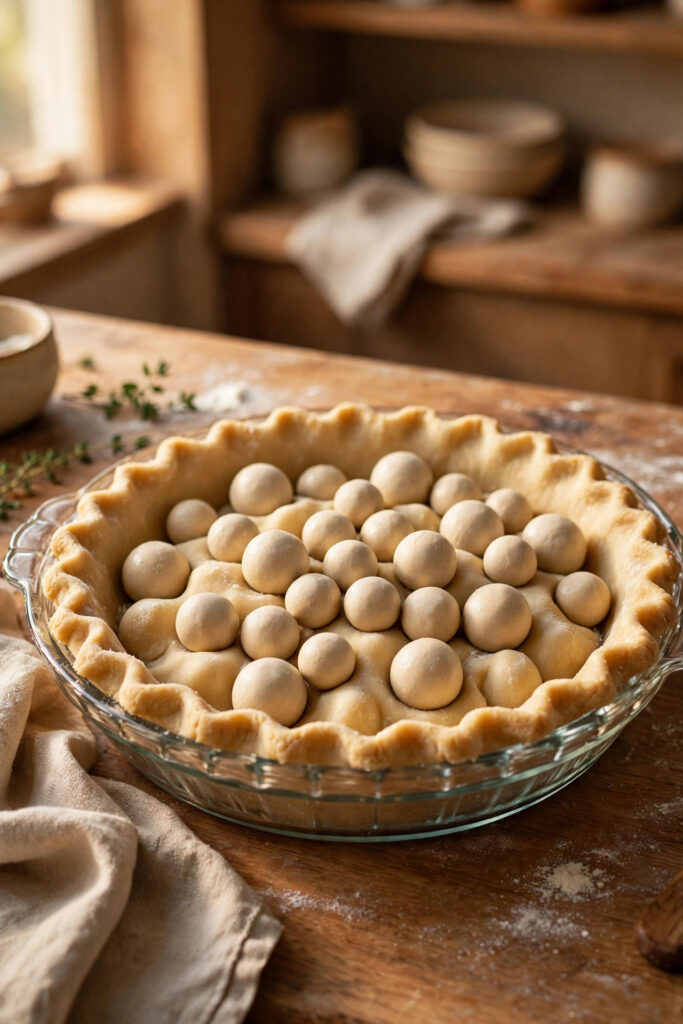
The best pie weights for blind baking are the small, unglamorous tool standing between you and a flat, crisp pie crust. When a crust bakes without filling, steam trapped under the dough puffs it up and the sides slump — the result is a shrunken, bubbled shell that won’t hold a pumpkin or pecan filling properly. Pie weights press the dough flat against the pan while it sets, so it comes out of the oven holding its shape.
Below, we’ve researched the top-rated pie weights available right now, comparing ceramic beads, stainless steel balls and chains, and marble weights for coverage, heat performance, durability, and cleanup, so you can pick the right set before pie season.
Our Top Picks
Mrs. Anderson’s Baking Ceramic Pie Weights
Mrs. Anderson’s Baking Ceramic Pie Weights are our top pick for most bakers. The food-grade ceramic beads are dense, uniform, and heavy enough to hold the dough firmly against the pan, and they spread easily into the corners of a 9-inch pie plate. They are reusable for years, won’t absorb moisture or odors, and rinse clean after baking.
Pros:
- Dense ceramic beads hold the crust flat and even
- Uniform round shape settles into corners and fluted edges
- Reusable indefinitely — won’t absorb moisture or odors
- Easy to rinse clean and store in their container
Cons:
- Beads are small and fiddly to remove one by one
- Can chip if dropped on a hard floor
- Need parchment underneath so they don’t stick to raw dough
OXO Good Grips Ceramic Pie Weight
The OXO Good Grips Ceramic Pie Weight is the pick for cooks who want the easiest storage and handling. The ceramic beads come in a lidded container that doubles as a measuring cup, so you can pour the beads onto the parchment-lined crust and back into the container with no mess. The beads themselves are a good size for even coverage in standard 9- and 10-inch pie plates.
Pros:
- Lidded storage container doubles as a measuring cup for pouring
- Beads are evenly sized for consistent coverage
- Comfortable, practical design from a trusted kitchen brand
- Dishwasher-safe container
Cons:
- One container may not be quite enough for deep-dish pies
- Ceramic beads can chip if dropped
- Heavier than dried beans, so the container takes up shelf space
Wilton Ceramic Pie Weights
Wilton Ceramic Pie Weights are the pick for frequent bakers on a budget. The ceramic beads are a straightforward, no-frills version of the category — they hold the crust down evenly, handle high oven temperatures, and come in a reusable storage container. Wilton is a long-standing baking brand, and these beads are widely stocked and easy to replace.
Pros:
- Affordable for a reusable ceramic set
- Even, reliable weight distribution across the crust
- Handles standard blind-baking temperatures with ease
- Comes with a storage container
Cons:
- Beads are on the smaller side, so removal takes a little patience
- No measuring marks on the container
- Ceramic can crack with thermal shock if preheated dry and dumped on cold dough
R&M International Stainless Steel Pie Chain
The R&M International Stainless Steel Pie Chain is the pick for bakers who hate chasing loose beads. The chain is a single flexible strand of stainless steel beads that drapes into the crust, conforms to fluted and scalloped edges, and lifts out in one motion — no bead-by-bead cleanup. It distributes heat well and wipes clean after use.
Pros:
- Lifts out in one piece — no loose beads to chase
- Flexible chain conforms to fluted and scalloped pan edges
- Stainless steel wipes clean and never absorbs odors
- Reusable for life with no chipping or cracking
Cons:
- Steel heats quickly, so it can create hot spots if the chain bunches up
- Less conforming to tight corners than small round beads
- Must be used over parchment — direct contact can mark raw dough
Fox Run Marble Pie Weights
Fox Run Marble Pie Weights are the pick for bakers who want the heaviest single-piece weight. The smooth marble balls are dense and substantial, pressing the crust firmly into the pan with fewer pieces than ceramic beads. Marble holds heat steadily and is naturally non-porous, so it won’t absorb butter or moisture from the crust.
Pros:
- Dense marble gives strong, even downward pressure
- Non-porous surface won’t absorb moisture or odors
- Smooth balls are easy to lift out and clean
- Attractive enough to store in a glass jar on the counter
Cons:
- Marble is heavier per piece, so the set is weighty to handle
- Larger balls leave small gaps that tiny beads would fill
- Can chip or crack if dropped on tile or stone
Mudder Ceramic Pie Weights
The Mudder Ceramic Pie Weights are the pick for deep-dish and large pies. The set includes a generous quantity of ceramic beads, enough to fill a deep-dish 9-inch plate and run partway up the sides — where cheaper sets run short. The beads are a standard size, heat-safe for blind baking, and store in the included container between uses.
Pros:
- Generous quantity covers deep-dish pies fully
- Ceramic beads are heat-safe and reusable
- Good value for the amount included
- Beads settle evenly into corners and edges
Cons:
- No measuring cup or pour spout on the storage container
- Beads are small, so removal is slow without a funnel
- Plain packaging — no instructions included for first-time blind bakers
Buying Guide
Material matters most: Ceramic beads are the all-round best choice — dense, even-heating, non-porous, and reusable for years. Stainless steel balls and chains heat faster and wipe clean easily, but their high thermal conductivity can create hot spots if they bunch up. Marble is dense and steady but comes in larger pieces that leave small gaps. Dried beans and rice work in a pinch, but they absorb moisture, can scorch above 400°F, and aren’t really reusable.
How many you need: For a standard 9-inch pie plate, you need enough weights to cover the bottom and run about half an inch up the sides — roughly 2 cups of beans or one full standard set of ceramic beads. Deep-dish plates need more; a generous set (Mudder) or two standard sets will do it.
Beads vs. chains: Loose beads (ceramic, marble, steel balls) conform best to corners and fluted edges because they flow into every gap. A chain lifts out in one motion and never leaves a stray bead behind, which is a real convenience — but it can’t fill tight corners as completely as beads can.
Always use parchment: Never place weights directly on raw dough. Line the chilled crust with parchment paper, cut a couple of inches larger than the pan so the excess crimps over the rim, then pour the weights on top. The parchment keeps weights from sticking and lets you lift them all out at once.
Don’t preheat ceramic weights: Ceramic and glass beads can crack from thermal shock if preheated dry in the oven and then dumped onto cold dough. Load them at room temperature onto the parchment-lined crust and let them heat up with the pie.
Cleanup and storage: Ceramic and marble beads rinse clean and dry quickly; steel chains wipe down. Store beads in their container or a jar so they don’t scatter in a drawer — and keep dried beans separate, since they attract pests once they’ve been baked.
How to blind bake: Chill the dough in the pan for at least 30 minutes, prick the base with a fork, line with parchment, fill with weights, and bake at 375°F for about 15–18 minutes. Remove the weights and parchment, then bake 5–10 minutes more until the base is set and lightly golden before adding the filling.
FAQs
What are the best pie weights for blind baking? Ceramic beads are the best all-round choice — dense, even-heating, non-porous, and reusable for years. The Mrs. Anderson’s set is our top pick; the OXO set adds the easiest pouring and storage.
Can I use dried beans instead of pie weights? Yes, dried beans work as a one-off substitute — they are cheap and the right size for corners. But they absorb moisture, can scorch above 400°F, and can’t be reused indefinitely. For regular pie baking, ceramic beads are a better investment.
How many pie weights do I need for a 9-inch pie? About one full standard set of ceramic beads, or roughly 2 cups of dried beans — enough to cover the bottom and run half an inch up the sides. Deep-dish plates need a larger set or two standard sets.
Do I need parchment paper under pie weights? Yes. Always line the crust with parchment before adding weights — it stops the weights sticking to raw dough and lets you lift them out cleanly in one go. Cut the parchment a couple of inches wider than the pan and crimp the excess over the rim.
Can pie weights go in the oven at 425°F? Ceramic, marble, and stainless steel weights handle 425°F without trouble. Dried beans and rice should not be used above 400°F, as they can scorch and give the crust a toasted, off flavor.
How do I clean ceramic pie weights? Let them cool completely, then rinse under warm water and dry thoroughly before storing. A quick soak loosens any stuck crumbs. Don’t wash hot ceramic beads in cold water — the thermal shock can crack them.
