
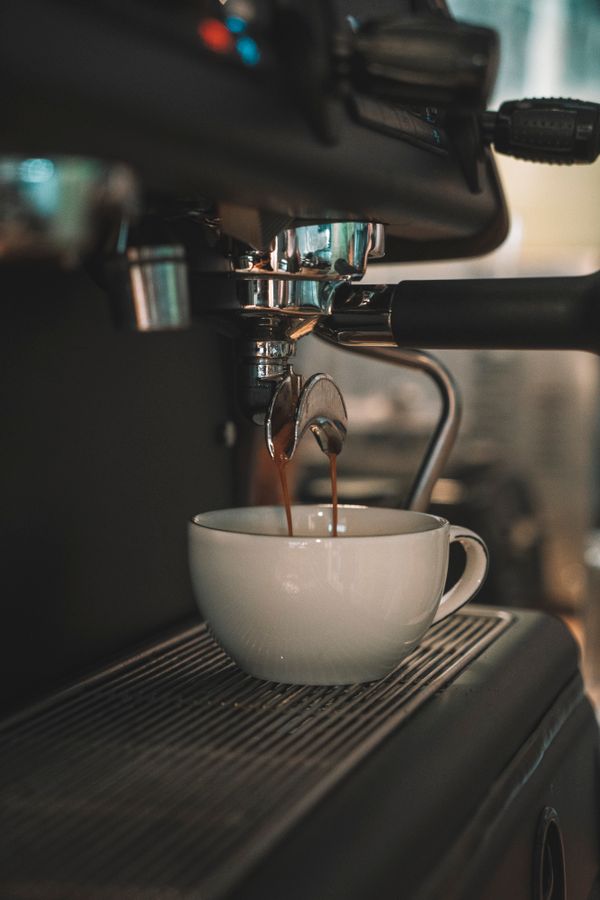
Few kitchen debates inspire as much passion as the espresso machine vs drip coffee maker question. Espresso devotees speak of syrupy shots, velvety microfoam, and the ritual of dialing in a grind. Drip loyalists counter with simplicity: great coffee, minimal effort, enough to fill a travel mug for the whole household. Both camps are right — they just want different things from their morning cup.
The stakes are real. A quality espresso setup can cost ten times what a good drip machine costs, demands fresh beans, a capable grinder, and a willingness to learn. A drip coffee maker asks for almost nothing and delivers consistent, crowd-pleasing coffee for years. In 2026, both categories have evolved: super-automatic espresso machines have gotten smarter and more compact, while precision drip brewers with SCA certification now rival pour-over quality.
This espresso machine vs drip coffee maker comparison breaks down how each brews, then compares them head-to-head on flavor, drink variety, caffeine, convenience, learning curve, maintenance, cost per cup, and capacity. You will find a comparison table, a verdict tailored to different coffee drinkers, and a thorough FAQ.
Espresso Machine vs Drip Coffee Maker: The Short Answer
Choose an espresso machine if you love lattes, cappuccinos, and the intense flavor of true espresso, and you are willing to invest money and practice. Espresso unlocks milk-based café drinks that drip coffee simply cannot produce, and the hobby aspect — dialing in grind, dose, and extraction — is half the fun for enthusiasts.
Choose a drip coffee maker if you want great coffee with minimal effort, you drink multiple cups or brew for a household, and you prefer a cleaner, lighter cup. Modern precision drip brewers make genuinely excellent coffee, and the cost per cup is unbeatable.
Bottom line: espresso for café drinks and intensity; drip for volume, simplicity, and value. Many coffee lovers eventually own both — drip for weekday mornings, espresso for weekend ritual.
How an Espresso Machine Works
An espresso machine forces hot water — ideally 195–205°F — through a tightly packed puck of finely ground coffee at around 9 bars of pressure. That pressure is the defining feature: it extracts oils, sugars, and dissolved solids in 25–30 seconds, producing a concentrated 1–2 ounce shot topped with crema, the golden-brown emulsion of oils and CO2 that signals a good extraction.
Home espresso machines fall into three tiers. Manual and semi-automatic machines (Breville Barista Express, Gaggia Classic, Rancilio Silvia) give you control over grinding, dosing, and tamping, with prices from $150 to $800+. Super-automatics (De\’Longhi Magnifica, Breville Oracle) grind, tamp, and brew at the touch of a button for $500–$2,500. True commercial-style machines go higher still. Every tier demands fresh beans and, for the best results, a quality burr grinder — pre-ground coffee is espresso\’s kryptonite.
The learning curve is real. Your first dozen shots will likely be sour, bitter, or both. But the ceiling is extraordinary: a well-pulled home shot with fresh beans rivals good café espresso, and the milk drinks you can build on it — flat whites, cortados, cappuccinos — are simply unavailable from a drip brewer.
How a Drip Coffee Maker Works
A drip coffee maker heats water to 195–205°F and showers it evenly over a bed of medium-ground coffee in a filter basket. Gravity pulls the brewed coffee through the filter into a carafe below. The whole process takes 5–10 minutes and requires you to do exactly two things: add water and add coffee.
The category has split into basic brewers and precision brewers. Basic models ($25–$80) get the job done but often brew too cool or shower unevenly. SCA-certified precision brewers from Technivorm Moccamaster, Breville, OXO, and Bonavita ($150–$350) hold proper temperature, distribute water evenly, and produce coffee that stands up to careful pour-over. Thermal carafes keep coffee hot without the burnt taste of a warming plate.
Drip\’s genius is scalability and forgiveness. It brews 4–12 cups at once, works fine with pre-ground coffee, and produces a consistent cup even when you are half asleep. The flavor profile is cleaner and lighter than espresso — more origin character, less intensity.
Head-to-Head: Espresso Machine vs Drip Coffee Maker
Flavor and Drink Quality
Espresso delivers intensity: concentrated, syrupy, with pronounced sweetness and body when dialed in. It is the foundation of every milk-based café drink, and straight shots offer a flavor experience drip cannot replicate. The downside is inconsistency while learning — bad espresso is aggressively bad.
Drip delivers clarity: a clean, balanced cup that showcases the bean\’s origin character. Precision brewers in 2026 make drip that genuinely impresses coffee enthusiasts. What drip cannot do is intensity or milk-drink texture — a \”latte\” made with strong drip coffee and steamed milk is a pleasant drink, but it is not a latte.
- Espresso machine: intense, syrupy shots; the only path to true lattes and cappuccinos
- Drip coffee maker: clean, balanced, consistent cups; showcases origin flavors
- Winner: tie — different flavor experiences, both excellent at their best
Drink Variety
Espresso wins on variety by a wide margin. Shots, Americanos, lattes, flat whites, cappuccinos, macchiatos, cortados, mochas — the espresso base plus steamed milk in different ratios creates an entire café menu. Add a steam wand or automatic frother and your kitchen becomes a coffee shop.
Drip makes one thing — excellent black coffee — in various strengths and volumes. You can add milk, but you cannot create microfoam texture or espresso concentration. For households where everyone drinks their coffee black, this limitation is irrelevant.
- Espresso machine: full café menu of milk-based drinks
- Drip coffee maker: one excellent drink, endlessly repeatable
- Winner: espresso machine for variety
Caffeine Content
Per ounce, espresso has more caffeine — roughly 63mg per 1-ounce shot versus about 12–15mg per ounce of drip. Per serving, drip usually wins because servings are bigger: a 12-ounce mug of drip delivers 140–180mg, while a double shot delivers about 126mg. Milk drinks dilute espresso further.
If your goal is maximum caffeine with minimum volume, espresso is efficient. If you want a big mug that lasts through your morning emails, drip is the vehicle.
- Espresso machine: ~63mg per ounce; concentrated delivery
- Drip coffee maker: ~140–180mg per 12-oz mug; more caffeine per serving
- Winner: tie — depends on serving size
Convenience and Morning Effort
Drip is the undisputed convenience champion. Add water, add grounds, press a button — many models even start on a timer so coffee is waiting when you wake up. Cleanup means tossing a filter and rinsing the basket. Total active effort: under two minutes.
Espresso demands engagement. Grind, dose, distribute, tamp, lock in, pull the shot, steam milk, purge and wipe the wand — a milk drink takes 5–10 minutes of focused work on a semi-automatic machine. Super-automatics cut this to about a minute at the press of a button, but you trade control and pay a premium for it.
- Espresso machine: 5–10 minutes of hands-on ritual (or 1 minute with super-automatic)
- Drip coffee maker: under 2 minutes; programmable auto-brew available
- Winner: drip coffee maker for convenience
Learning Curve
Drip has essentially no learning curve. If you can measure coffee and water, you can make good drip coffee today. Espresso has one of the steepest learning curves in home cooking — grind size, dose weight, distribution, tamp pressure, and shot timing all interact, and beginners should expect weeks of practice before consistent results.
The 2026 generation of guided machines (Breville\’s assisted tamping, De\’Longhi\’s bean-adapt technology) has lowered the barrier meaningfully. But espresso remains a hobby as much as an appliance; buy in for the journey, not just the destination.
- Espresso machine: steep learning curve; weeks to consistency
- Drip coffee maker: zero learning curve; great results immediately
- Winner: drip coffee maker
Maintenance and Cleaning
Drip maintenance is trivial: occasional descaling, regular carafe washing, fresh filters. Total annual maintenance effort is measured in minutes. Espresso maintenance is a genuine commitment — backflushing, descaling, cleaning the group head, purging the steam wand after every use, and replacing water filters. Neglect it and shot quality degrades fast.
Super-automatics add their own maintenance: brew-group rinsing, milk-system cleaning cycles, and more frequent descaling. Budget 10–15 minutes weekly plus daily wipe-downs to keep an espresso machine happy.
- Espresso machine: daily wipe-downs, weekly cleaning, regular descaling
- Drip coffee maker: occasional descaling; minimal effort
- Winner: drip coffee maker
Upfront Cost
The price gap is enormous. A great drip setup — precision brewer plus a decent grinder — runs $200–$400 total. A capable espresso setup starts around $400–$500 for an entry machine plus grinder and climbs past $1,500 for the enthusiast tier. Super-automatics run $500–$2,500 for the machine alone.
Espresso also has hidden costs: fresh beans matter far more (stale beans make terrible espresso but acceptable drip), a good grinder is non-negotiable, and accessories — tamper, distributor, scale, milk pitcher — add up. Drip is forgiving of pre-ground coffee and needs no accessories.
- Espresso machine: $400–$2,500+ all-in for a capable setup
- Drip coffee maker: $50–$400 all-in; great results under $200
- Winner: drip coffee maker on cost
Cost Per Cup and Café Savings
Here espresso fights back. A homemade latte costs roughly $0.75–$1.25 in beans and milk versus $5–$7 at a café. If you currently buy one café latte daily, a $700 espresso setup pays for itself in about six months. Drip\’s savings are real but smaller, since drip drinkers typically were not buying $6 drinks — though a $300 precision brewer still beats café drip prices quickly.
- Espresso machine: saves $4–$6 per milk drink vs café; fast payback for daily buyers
- Drip coffee maker: pennies per cup; modest but real savings
- Winner: espresso machine for café-drink replacers
Capacity and Household Fit
Drip brewers make 8–12 cups in one cycle — ideal for households, offices, and entertaining. Espresso machines make one or two drinks at a time; serving a crowd means pulling shot after shot. For a house of four coffee drinkers on a busy morning, drip is simply more practical.
- Espresso machine: 1–2 drinks per cycle; slow for crowds
- Drip coffee maker: up to 12 cups per brew; built for households
- Winner: drip coffee maker for volume
Espresso Machine vs Drip Coffee Maker: Comparison Table
| Feature | Espresso Machine | Drip Coffee Maker |
|---|---|---|
| Best for | Lattes, cappuccinos, intense shots | Black coffee, households, volume |
| Drink variety | Full café menu | One excellent drink |
| Caffeine per serving | ~126mg per double shot | ~140–180mg per 12-oz mug |
| Morning effort | 5–10 min hands-on (semi-auto) | Under 2 minutes |
| Learning curve | Steep; weeks to consistency | None |
| Maintenance | Daily + weekly cleaning rituals | Occasional descaling |
| All-in cost | $400–$2,500+ | $50–$400 |
| Capacity | 1–2 drinks at a time | Up to 12 cups per brew |
| Grinder requirement | Quality burr grinder essential | Helpful but optional |
Which Should You Buy? Our 2026 Verdict
Buy an espresso machine if: you love milk-based café drinks and want to make them at home, you enjoy the craft of dialing in coffee, or you are spending serious money at coffee shops every week. Start with a well-reviewed semi-automatic plus a capable burr grinder — the grinder matters as much as the machine.
Buy a drip coffee maker if: you drink your coffee black, you brew for multiple people, you want great coffee with zero fuss, or your budget is under $300. A precision SCA-certified brewer makes coffee that will genuinely impress you.
Buy both if: you are a true coffee lover with the counter space. Use drip for busy weekday mornings and espresso for slow weekend rituals. This is the setup many enthusiasts land on after years of experimenting — each machine covers the other\’s weaknesses perfectly.
Espresso Machine vs Drip Coffee Maker FAQ
Does espresso have more caffeine than drip coffee?
Per ounce, yes — espresso has roughly 63mg per ounce versus 12–15mg per ounce of drip. But a typical 12-ounce mug of drip contains more total caffeine (140–180mg) than a double espresso shot (about 126mg). Serving size determines the real answer.
Can a drip coffee maker make espresso?
No. Espresso requires about 9 bars of pressure to force water through finely ground coffee, and drip brewers operate at atmospheric pressure. Moka pots and AeroPress brewers can make strong, espresso-style coffee, but only a true espresso machine makes real espresso with crema.
Is a super-automatic espresso machine worth it?
For convenience-focused drinkers, yes. Super-automatics grind, tamp, and brew at one touch and many now make genuinely good milk drinks. You sacrifice some control and shot quality versus a skilled hand on a semi-automatic, and you pay $500–$2,500 for the privilege.
How much does a good home espresso setup cost?
Budget around $400–$700 minimum for a capable entry setup: an entry-level machine like the Breville Bambino or Gaggia Classic plus a decent espresso-capable burr grinder. Enthusiast setups run $1,000–$2,000+. The grinder is not optional — it determines shot quality as much as the machine.
Which is healthier, espresso or drip coffee?
Both are healthy in moderation. Drip coffee filtered through paper removes most cafestol, a compound that can raise LDL cholesterol — unfiltered espresso retains more of it. Black coffee of either type is very low calorie; milk and sugar additions matter far more than brew method.
Can I use pre-ground coffee in an espresso machine?
You can, but results suffer significantly. Espresso is extremely sensitive to grind freshness and particle size — coffee stales within days of grinding at espresso fineness. A burr grinder and whole beans are the single biggest upgrade for home espresso quality.
How long do these machines last?
A quality drip brewer lasts 5–10 years with descaling. Espresso machines vary widely: entry machines last 3–7 years, while well-maintained prosumer machines from brands like Rancilio and Breville often run 10+ years. Maintenance discipline is the deciding factor.
