
Fresh vs dried herbs is one of the most practical questions in home cooking, and the short answer is: use fresh herbs when you want bright, delicate flavor added at the end of cooking, and dried herbs when you want deep, concentrated flavor cooked into a dish from the start. Fresh basil on a finished pasta, dried oregano simmered into a tomato sauce — each has a job the other cannot do as well.
This guide breaks down the fresh vs dried herbs debate with food science, the standard 3-to-1 conversion rule, a herb-by-herb cheat sheet, and storage tips that keep both forms potent. You will never again wonder whether that jar of dried parsley can rescue a recipe calling for fresh.
What Drying Actually Does to an Herb
Drying removes roughly 85 to 90 percent of an herb\’s water, which concentrates everything left behind — including flavor compounds. That is why dried herbs taste stronger per spoonful than fresh ones, and why a little goes a long way. But dehydration is not a neutral process: heat and air exposure destroy or transform many of the volatile aromatic compounds that give fresh herbs their perfume.
Herbs rich in volatile oils — basil, cilantro, parsley, dill, mint, chives — lose the most in drying. Their signature brightness comes from delicate compounds like linalool and menthol that evaporate readily. Once dried, these herbs taste flat, dusty, or like a shadow of themselves. Dried parsley, in particular, is famously disappointing: it contributes color but almost no parsley flavor.
Herbs built on sturdier compounds survive drying beautifully and sometimes improve. Oregano, thyme, rosemary, marjoram, bay leaves, and sage contain robust phenols and terpenes (thymol, carvacrol, rosmarinic acid) that concentrate rather than vanish. Dried oregano is arguably more potent and more useful than fresh in long-simmered sauces — which is why Italian-American red sauce traditions rely on the dried form.
The 3-to-1 Conversion Rule
Because drying concentrates flavor, the standard substitution ratio is 3 parts fresh to 1 part dried. One tablespoon of fresh chopped herbs equals roughly one teaspoon of dried. This rule works well for sturdy herbs like oregano, thyme, and rosemary.
Two important caveats. First, the ratio assumes your dried herbs are reasonably fresh — a jar that has sat open for two years has lost much of its potency, so you may need more, and even then the flavor will be muted. Second, the ratio does not fix a bad substitution: tripling dried basil still will not taste like fresh basil. When a recipe depends on a delicate herb\’s fresh character — pesto, tabbouleh, garnish — buy fresh or choose a different recipe.
When converting, add dried herbs early in cooking so they have time to rehydrate and release flavor into fats and liquids. Add fresh herbs late — in the last minutes or after the heat is off — to preserve their volatile aromatics.
Fresh vs Dried Herbs: When Fresh Wins
Reach for fresh herbs when the herb is the star or the finish. Salads, salsas, pestos, herb butters, garnishes, and cold preparations all demand fresh: there is no heat to coax flavor out of a dried herb in a vinaigrette, so dried simply tastes gritty and dull. Fresh herbs also win in quick-cooking dishes — a stir-fry finished with Thai basil, tacos topped with cilantro — where there is no time for dried herbs to rehydrate.
The delicate herbs — basil, cilantro, parsley, dill, mint, tarragon, chives — should almost always be used fresh. Their flavor lives in volatile compounds that drying destroys. If a recipe calls for a full cup of fresh basil, as pesto does, there is no dried substitute; make something else.
Fresh herbs also contribute texture and visual appeal that dried herbs cannot: the glossy green of basil leaves on a margherita pizza, the feathery fronds of dill on cured salmon. In dishes where the herb is visible, fresh is non-negotiable.
When Dried Herbs Win
Dried herbs dominate in long, slow, hot cooking. Soups, stews, braises, tomato sauces, dry rubs, and marinades all give dried herbs the time and moisture they need to bloom. Added at the beginning, dried oregano or thyme melts into the background, building a deep savory base that fresh herbs — added at the same stage — would lose to prolonged heat anyway.
Dried herbs also win on convenience, cost, and consistency. A jar of dried thyme costs a fraction of fresh sprigs, lasts months, and tastes the same in January as in July. For everyday weeknight cooking — seasoning chicken, flavoring rice, spicing a quick soup — dried herbs are the practical workhorse. Bay leaves deserve special mention: they are essentially always used dried, since fresh bay is hard to find and the dried leaf\’s flavor is the reference standard in stocks and braises.
One more dried-herb stronghold: spice blends and rubs. Dried herbs grind and mix evenly with salt, pepper, and ground spices, coating meat uniformly. Fresh herbs would clump, weep moisture, and burn unpredictably in a dry rub.
Herb-by-Herb Cheat Sheet
| Herb | Better fresh or dried? | Notes |
|---|---|---|
| Basil | Fresh, by a mile | Dried basil is a pale imitation; use fresh for pesto, caprese, finishing |
| Oregano | Dried for cooking; fresh for finishing | Dried oregano is the classic for tomato sauces and Greek dishes |
| Thyme | Both excellent | Dried thyme is potent and convenient; fresh sprigs elegant in roasts |
| Rosemary | Both excellent | Dried works in rubs and stews; fresh sprigs for roasting meats |
| Parsley | Fresh only | Dried parsley adds color but negligible flavor |
| Cilantro | Fresh only | Dried cilantro is widely considered not worth buying |
| Dill | Fresh preferred | Dried dill works in pickling and long-cooked dishes |
| Mint | Fresh for most uses | Dried mint shines in Middle Eastern and Indian cooked dishes |
| Sage | Both good | Dried sage is the Thanksgiving stuffing standard; fresh leaves fry crisp beautifully |
| Bay leaves | Dried | The default form; simmer whole and remove before serving |
| Tarragon | Fresh preferred | Dried tarragon works in sauces but loses the anise brightness |
| Chives | Fresh only | Dried chives taste like papery straw; skip them |
How to Store Herbs for Maximum Flavor
Storing Fresh Herbs
Treat soft herbs (parsley, cilantro, dill, mint) like cut flowers: trim the stems, stand them in a jar with an inch of water, cover loosely with a bag, and refrigerate. They will stay perky for a week or more; change the water every couple of days. Woody herbs (rosemary, thyme, oregano) prefer a dry approach: wrap loosely in a barely damp paper towel inside a bag in the crisper drawer.
Basil is the exception — it hates the cold. Keep basil at room temperature in water, like a bouquet on the counter, and it will outlast refrigerated bunches by days. Refrigerated basil turns black and slimy quickly.
Storing Dried Herbs
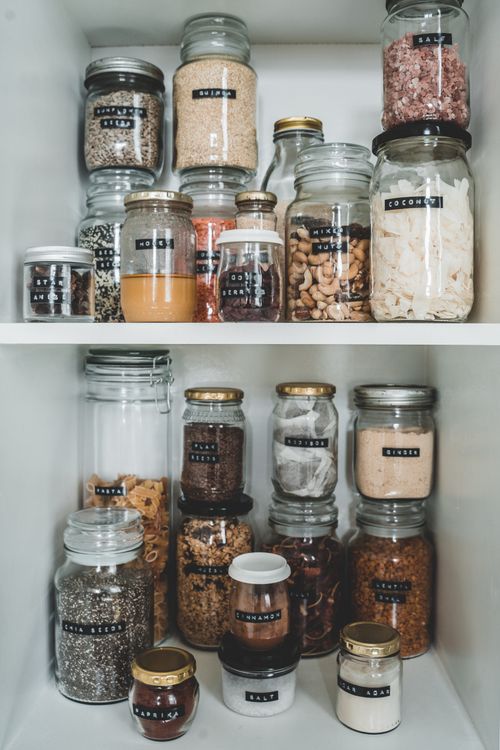
Heat, light, air, and moisture are the enemies. Store dried herbs in airtight containers in a cool, dark cabinet — not above the stove, where heat and steam degrade them fastest. Whole or crushed-leaf forms outlast ground herbs. Test potency before an important dish: crush a pinch between your fingers — if the aroma is faint, the herb is spent. As a rule, replace dried herbs every 6 to 12 months.
Growing Your Own: The Best of Both Worlds
A small pot of herbs on a sunny windowsill solves the fresh vs dried herbs dilemma for the herbs you use most. Basil, mint, parsley, chives, and thyme all grow readily indoors with a few hours of direct sun and consistent watering. Even a single pot of basil can supply a household\’s summer pesto and pizza needs, and snipping fresh herbs minutes before cooking delivers flavor no store-bought bunch can match.
For preservation, freezing beats drying for delicate herbs. Chop basil, cilantro, or parsley, pack into ice cube trays with a little olive oil or water, and freeze. The frozen cubes are perfect for dropping into soups, sauces, and sautés — far closer to fresh than any dried version.
Common Fresh vs Dried Herb Mistakes
Even experienced cooks trip up on herbs. The most frequent mistake is adding fresh herbs too early: tossing basil into a sauce at the start of a 40-minute simmer cooks away everything that made it basil. If a recipe says \”simmer 30 minutes,\” stir fresh herbs in during the last two minutes or after removing the pot from the heat.
The mirror-image error is adding dried herbs at the very end. Sprinkling dried oregano over a finished pizza does little — without heat, fat, or time, the flakes stay gritty and raw-tasting. Dried herbs need to bloom: sauté them briefly in oil or simmer them in liquid to wake up their flavor.
Another classic is using dried herbs past their prime. That jar of dried thyme from two years ago is contributing dust, not flavor. Date your jars, store them away from the stove, and replace them annually. Finally, cooks often under-season when substituting: remember the 3-to-1 rule runs fresh-to-dried, so one tablespoon of fresh equals one teaspoon of dried — not the other way around. Getting the direction wrong leaves a dish bland or overwhelmingly herby.
Frequently Asked Questions
Can I substitute dried herbs for fresh?
Yes, using the 3-to-1 rule: one tablespoon of fresh herbs equals one teaspoon of dried. This works well for sturdy herbs like oregano, thyme, and rosemary in cooked dishes. It does not work for delicate herbs like basil, cilantro, or parsley, where dried versions taste flat and cannot replicate fresh flavor.
Which dried herbs are actually worth buying?
Oregano, thyme, rosemary, bay leaves, sage, and marjoram all dry excellently and belong in every pantry. Dried dill and mint have solid niche uses. Skip dried parsley, cilantro, chives, and basil — they lose nearly all their character in drying and are not worth the shelf space.
How long do dried herbs last?
Dried herbs stay potent for about 6 to 12 months when stored airtight in a cool, dark place. Ground herbs fade faster than whole or crushed leaves. Test by crushing a pinch: strong aroma means still good, faint smell means replace. Write the purchase date on the jar to track freshness.
Should dried herbs go in early or late in cooking?
Add dried herbs early — at the beginning of sautéing or simmering — so they have time to rehydrate and release flavor into fats and liquids. Add fresh herbs late, in the final minutes or off the heat, to preserve their delicate volatile aromatics that prolonged cooking would destroy.
Is frozen better than dried for herbs?
For delicate herbs like basil, cilantro, and parsley, yes — freezing preserves far more fresh flavor than drying. Chop and freeze in oil or water in ice cube trays. For sturdy herbs like oregano and thyme, dried is convenient and excellent, so freezing offers less advantage.
Why does my dried oregano taste like nothing?
It is probably old or was stored badly. Dried herbs lose potency to heat, light, air, and time — especially above the stove. Replace jars every 6 to 12 months, store them in a cool dark cabinet, and crush leaves between your fingers before using to release their oils.
Can I dry my own fresh herbs?
Yes, and home-dried sturdy herbs like thyme, oregano, and rosemary often beat store-bought. Tie small bundles and hang them in a dark, airy spot for one to two weeks, or use a dehydrator on its lowest setting. Delicate herbs like basil and cilantro dry poorly at home too — freeze those instead for far better flavor.
Do dried herbs have the same health benefits as fresh?
Largely yes for sturdy herbs: the antioxidant phenols in oregano, thyme, and rosemary survive drying well, and concentration can even raise levels per spoonful. Fresh herbs add more vitamin C and water-soluble nutrients, but as seasonings rather than bulk ingredients, both forms contribute modest, real nutritional value.
The fresh vs dried herbs debate has no single winner because the two forms do different jobs. Keep both on hand, match the form to the cooking method, and your food will taste like you meant it to.
