
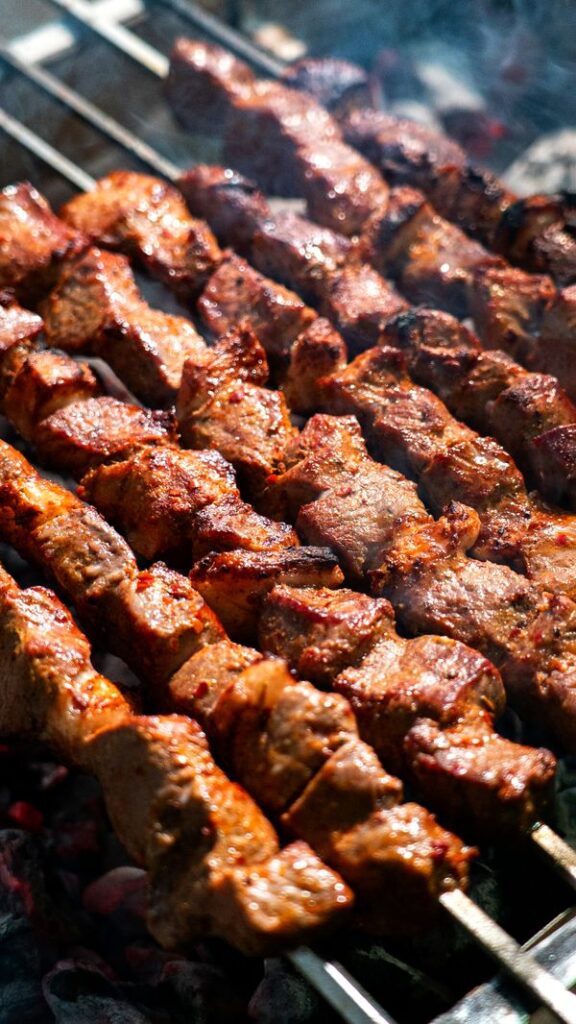
Summer grilling recipes for backyard BBQs are what the season is all about: smoky burgers, fall-off-the-bone ribs, charred chicken, grilled vegetables, and the sides that complete the cookout. This roundup of 24 grilling recipes covers mains, sides, and even grilled desserts — each with grill setup tips and timing so everything hits the table perfectly.
Great grilling comes down to heat management: set up two zones (hot direct heat for searing, cooler indirect heat for finishing), keep the lid closed as much as possible, and use a thermometer instead of guessing. Every recipe below includes the target temperature and rest time that guarantee success.
Grill Setup Basics for Backyard Success
For gas grills, heat half the burners for two-zone cooking. For charcoal, bank coals to one side. Always oil the grates (not just the food), preheat 10–15 minutes, and let the grill do the work — constant flipping and pressing squeezes out juices. A reliable instant-read thermometer is the best grilling investment you can make.
1. Classic Smash Burgers
Beef smashed thin on a screaming-hot griddle or grill for maximum crust. Serve at every cookout — the crowd-pleaser-in-chief. Tip: smash once in the first 30 seconds, then leave it alone; season only with salt and pepper.
2. BBQ Baby Back Ribs
Ribs rubbed, wrapped, and slow-grilled until the meat pulls from the bone. Serve at Fourth of July and Labor Day. Tip: the 3-2-1 method (smoke, wrap, glaze) works reliably on any grill.
3. Grilled Lemon Herb Chicken
Chicken marinated in lemon, garlic, and herbs, grilled over two zones. Serve at family cookouts. Tip: pound to even thickness and finish over indirect heat to avoid charred outsides and raw centers.
4. Grilled Corn on the Cob (Mexican Street Style)
Charred corn slathered with mayo, cotija, chili powder, and lime. Serve at any BBQ as the side everyone fights over. Tip: grill in the husk for steamed-tender corn, husk-off for char.
5. Cedar Plank Salmon
Salmon grilled on a soaked cedar plank for smoky, gentle cooking. Serve at elegant summer dinners. Tip: soak the plank at least 1 hour and keep a spray bottle handy for flare-ups.
6. Grilled Vegetable Platter
Zucchini, peppers, eggplant, and onions with balsamic glaze. Serve at every cookout for the vegetarians (and everyone else). Tip: cut vegetables thick so they don\’t fall through the grates — or use a grill basket.
7. Teriyaki Grilled Chicken Skewers
Chicken pieces marinated in teriyaki, grilled and glazed. Serve at casual backyard parties. Tip: reserve clean glaze for brushing after grilling — never reuse marinade that touched raw chicken.
8. Grilled Pizza
Dough grilled directly on the grates, topped and finished with the lid closed. Serve at interactive cookouts. Tip: grill the dough 2 minutes per side first, then add toppings so nothing burns.
9. Honey Glazed Grilled Pork Chops
Thick pork chops brined, grilled, and glazed with honey-Dijon. Serve at late-summer dinners. Tip: brine 1–2 hours for chops that stay juicy over high heat.
10. Grilled Shrimp Skewers
Jumbo shrimp with garlic butter, grilled 2–3 minutes per side. Serve at seafood-loving cookouts. Tip: use two parallel skewers per row so shrimp don\’t spin when you flip.
11. Smoked Brisket (Grill Method)
Low-and-slow brisket on a kettle grill with wood chunks. Serve at all-day BBQ events. Tip: wrap in butcher paper at the stall (around 165°F) to push through without drying.
12. Grilled Portobello Burgers
Marinated portobello caps grilled and served with pesto and mozzarella. Serve at cookouts for vegetarian guests. Tip: scrape the gills and marinate 30 minutes for the meatiest result.
13. Carolina Pulled Pork (Grill-Smoked)
Pork shoulder smoked low until shreddable, tossed in vinegar sauce. Serve at big gatherings — one shoulder feeds a crowd. Tip: plan 1.5 hours per pound and rest the meat a full hour before pulling.
14. Grilled Asparagus with Parmesan
Thick asparagus spears grilled and showered with parmesan. Serve at spring and early-summer cookouts. Tip: grill perpendicular to the grates or use a basket — no one likes losing spears to the fire.
15. Beer Can Chicken
Whole chicken roasted upright over a beer can on the grill. Serve at show-off cookouts. Tip: the beer steams the inside while the grill crisps the skin — use indirect heat only.
16. Grilled Pineapple with Cinnamon
Pineapple rings grilled until caramelized, dusted with cinnamon. Serve at dessert time or with pork. Tip: the natural sugars caramelize fast — 2–3 minutes per side is plenty.
17. Steakhouse Ribeye
Thick ribeyes reverse-seared: slow indirect heat, then a blazing sear. Serve at special-occasion BBQs. Tip: pull 10°F below target and sear 60–90 seconds per side for edge-to-edge perfection.
18. Grilled Lobster Tails
Lobster tails split, brushed with garlic butter, grilled shell-down. Serve at luxury summer nights. Tip: 5–7 minutes is all they need — overcooked lobster turns rubbery fast.
19. Elote-Style Grilled Zucchini
Grilled zucchini with crema, cotija, and chili-lime seasoning. Serve at Mexican-themed cookouts. Tip: score the zucchini lightly so the toppings cling.
20. Grilled Chicken Wings
Wings grilled over indirect heat until crisp, then sauced. Serve at game-day BBQs. Tip: render the fat low-and-slow first, then crisp over direct heat at the end.
21. Grilled Peaches with Burrata
Halved peaches grilled and served with burrata, basil, and balsamic. Serve at elegant summer appetizers. Tip: use just-ripe peaches — overripe ones fall apart on the grates.
22. Sausage and Pepper Hoagies
Italian sausage and peppers grilled and piled into rolls. Serve at casual crowd-pleasing cookouts. Tip: simmer sausages in beer with onions first, then finish on the grill for juiciness plus char.
23. Grilled Watermelon Steaks
Thick watermelon slabs grilled until caramelized and smoky. Serve at adventurous summer sides. Tip: pat the watermelon very dry and use high heat for the best sear.
24. S\’mores Nachos (Grill Dessert)
Graham crackers, chocolate, and marshmallows melted on the grill in a skillet. Serve at bonfire-adjacent dessert time. Tip: cover with foil for 3–5 minutes — the trapped heat melts everything evenly.
Backyard BBQ Tips
- Two-zone fire: direct heat for searing, indirect for gentle finishing — the foundation of all good grilling.
- Thermometer over timing: internal temperature is the only reliable doneness test.
- Rest your meat: 5 minutes for steaks and chops, 15+ for roasts — juices redistribute instead of running out.
- Clean hot grates: brush grates when hot, then oil just before food goes on.
- Prep a sides station: grill mains while cold sides wait — timing the whole spread beats perfecting one dish.
Grilling Temperature Chart: Every Protein, Every Time
Stop guessing — internal temperature is the only reliable doneness test. Bookmark these targets (pull 5°F early; carryover finishes the job): burgers — 160°F well-done (food safe for ground meat). Steaks — 125°F rare, 135°F medium-rare, 145°F medium. Chicken breast — 160°F pull (165°F final). Chicken thighs — 175°F (dark meat is better hotter). Pork chops — 140°F pull (145°F final). Salmon — 125°F for silky medium-rare, 135°F medium. Shrimp — opaque and C-shaped (about 120°F). Lobster tails — 140°F. Sausages — 160°F.
Grill surface temperatures matter too: searing heat is 450–550°F (steaks, burgers, chops), medium heat is 350–450°F (chicken pieces, fish, vegetables), and low/indirect heat is 250–350°F (ribs, brisket, whole chickens). Learn your grill\’s hot spots with the bread test — lay sliced bread across the grates for 60 seconds and read the toast pattern like a map.
Resting times complete the chart: steaks and chops rest 5–10 minutes, burgers 3–5, chicken pieces 5, whole chickens 15–20, ribs 15, brisket and pork shoulder 45–60 (wrapped). Tent loosely with foil — wrapping tightly steams away the crust you worked to build.
Make-Ahead BBQ Sides That Steal the Show
Great BBQ is half sides, and the best ones improve overnight. Coleslaw (vinegar-based holds better than creamy), potato salad, baked beans, macaroni salad, and cornbread can all be made a day ahead. Pasta salads with Italian dressing, three-bean salad, and watermelon-feta salad are no-cook heroes on hot days. Pickled vegetables — red onions, jalapeños, cucumbers — take 30 minutes and cut through smoky richness brilliantly.
For hot sides, grilled corn can be grilled an hour ahead and held wrapped in foil; baked potatoes hold wrapped in a cooler for an hour; grilled vegetable platters are excellent at room temperature. Mac and cheese assembled ahead bakes while the meat rests. The strategy: cold sides made yesterday, hot sides timed to the meat\’s rest period.
Don\’t forget dessert: icebox cakes, fruit cobblers (bake while the grill\’s hot), watermelon with lime and salt, and ice cream with grilled fruit. A complete BBQ runs appetizer to dessert — and with make-ahead sides, the host actually gets to enjoy the party.
Grilling Safety and Food Handling
Great BBQ is safe BBQ — and outdoor cooking has specific risks worth respecting. The danger zone (40–140°F) is the core concept: perishable food shouldn\’t sit in it for more than 2 hours (1 hour above 90°F). Marinate refrigerated, never on the counter; transport raw meat in a cooler with ice packs; and never reuse marinade that touched raw meat unless boiled first — reserve a clean portion for basting before the meat goes in.
Cross-contamination is the most common grilling mistake: use separate plates and utensils for raw and cooked meat (the classic error is carrying raw burgers out on a plate and bringing cooked ones back on the same one). Wash hands after handling raw meat, and keep a spray bottle of soapy water plus paper towels at the grill station for quick wipedowns. Thermometers aren\’t just for doneness — they\’re food safety tools: 165°F for poultry, 160°F for ground meats, 145°F for whole cuts of pork and beef (plus rest).
Grill maintenance safety: check gas connections for leaks annually (soapy water on connections — bubbles mean leaks), keep the grill away from structures (10 feet minimum from the house, never under a covered patio or in a garage), and never leave it unattended. For charcoal, dispose of ashes only when completely cold — coals can stay hot for 48 hours. A fire extinguisher rated for grease fires within reach of the grill is cheap insurance every backyard should have.
Cleaning and Maintaining Your Grill
A clean grill cooks better and lasts longer — and maintenance takes minutes, not hours. After every cook: while the grill is still hot, brush the grates vigorously with a brass or stainless brush (skip wire brushes with loose bristles — they can end up in food; coiled or brush-free alternatives are safer). Burn off residue by running the grill on high with the lid closed for 10–15 minutes, then brush again. Oil the grates lightly before each cook with a paper towel dipped in high-smoke-point oil, held with tongs.
Deep clean twice a season: remove grates and flavorizer bars, scrub with a grill-safe degreaser, empty the grease trap (a leading cause of grill fires), and check burner tubes for blockages. For charcoal grills, empty ash after every cook — ash buildup chokes airflow and kills heat. Cover your grill between uses; a quality cover doubles a grill\’s lifespan by blocking the moisture that causes rust. These small habits keep every recipe above cooking at its best, season after season.
Frequently Asked Questions
Gas vs. charcoal: which is better for backyard BBQs?
Charcoal delivers smokier flavor and higher searing heat; gas offers convenience and precise temperature control. For flavor purists, charcoal or pellet grills win. For weeknight ease, gas can\’t be beaten. Many serious grillers happily own both. Choose based on your priorities: flavor or convenience.
How do I keep chicken from drying out on the grill?
Use two-zone heat: sear over direct heat, then finish over indirect. Pound breasts to even thickness, brine or marinate beforehand, and pull at 160°F internal (carryover brings it to 165°F). Never press the meat — it squeezes out precious juices.
What temperature should I grill burgers at?
Grill burgers over high direct heat (450–500°F), about 3–4 minutes per side for medium. Use an instant-read thermometer for accuracy: 160°F for food-safe well-done, though many prefer 145°F medium for quality ground beef from trusted sources. A thermometer removes all guesswork from burger doneness.
How do I prevent flare-ups on the grill?
Trim excess fat from meats, avoid sugary marinades early in the cook, and keep a spray bottle of water within reach. If flames erupt, move food to the indirect zone — flare-ups deposit sooty, bitter flavors on food. Calm, controlled heat produces the cleanest grilled flavor.
Can I grill pizza on a regular gas grill?
Yes — preheat to 500°F+, grill the stretched dough 2 minutes per side, then add toppings and close the lid to melt. A pizza stone on the grill gives the crispiest crust. Keep toppings light so the center cooks through.
How long should I rest grilled meat?
Rest steaks and chops 5–10 minutes, whole chickens 15–20 minutes, and large roasts like brisket at least 30–60 minutes. Tent loosely with foil rather than wrapping tightly. Cutting too early spills the juices that resting redistributes through the meat. Resting is as important as the cooking itself.
