
You already cook well. These 27 pro kitchen tips are what take you from good to exceptional — the techniques professional chefs use daily that rarely make it into home recipes. Each tip upgrades a specific dimension of your cooking: deeper flavor, better texture, sharper precision, or smoother workflow. They assume you know the basics; what they give you is the professional\’s edge, with the science of why each one works so you can apply it with judgment instead of superstition.
Flavor: Building Depth Like a Professional
1. Dry-brine meat 24 hours ahead instead of marinating
Salt steaks, chops, and whole chickens generously a day before cooking and refrigerate uncovered. Why it works: salt initially draws out moisture, then — given time — the salty liquid gets reabsorbed deep into the meat, seasoning it throughout while the surface dries for superior browning. Unlike marinades, which penetrate only millimeters, dry-brining seasons to the center and dries the exterior for the best sear of your life. One percent of the meat\’s weight in salt is the pro ratio.
2. Bloom spices in fat, then bloom tomato paste too
After blooming your spices in hot oil, add tomato paste and fry it until it darkens from bright red to brick. Why it works: raw tomato paste tastes tinny and sharp; caramelizing it triggers Maillard browning that adds deep umami sweetness. This double-bloom is the foundation of great curries, ragus, and chili — two minutes of extra work that separates flat sauces from complex ones.
3. Use anchovies and miso as stealth umami
Melt two anchovy fillets into sauces or whisk a spoonful of white miso into dressings and soups. Why it works: both are glutamate bombs that amplify savory depth without tasting fishy or \”Asian\” in the finished dish — the anchovies dissolve completely, the miso melts into the background. This is the actual secret behind many restaurant sauces that taste inexplicably richer than yours. Start small; you can add more, never less.
4. Finish with fat and acid, not just salt
When a dish is seasoned but flat, add a knob of cold butter, a glug of olive oil, or a squeeze of citrus before reaching for more salt. Why it works: salt deepens existing flavors, but fat carries flavor to your palate and acid brightens everything around it. Professionals finish nearly every dish this way — mounting a sauce with butter, drizzling peppery olive oil over soup, hitting tacos with lime. It is the final 10 percent that reads as \”restaurant quality.\”
5. Toast nuts, seeds, and coconut before using
Warm them in a dry skillet until fragrant and lightly golden. Why it works: toasting triggers Maillard reactions in the proteins and releases aromatic oils, transforming bland raw nuts into deeply flavorful ones. It takes three minutes and elevates everything from salads to curries to baked goods. Buy raw nuts in bulk and toast per use — pre-toasted nuts go stale and rancid far faster.
6. Deglaze every fond — that brown crust is pure flavor
After searing, pour wine, stock, or even water into the hot pan and scrape up the browned bits. Why it works: fond is concentrated Maillard-reaction flavor — hundreds of savory compounds created by high heat. Dissolving it into a pan sauce captures flavor you literally paid for with your ingredients and would otherwise scrub down the drain. This is the entire basis of classic French pan sauces, and it takes ninety seconds.
7. Salt your pasta water until it tastes like the sea
Use roughly 10 grams of salt per liter of water — far more than feels reasonable. Why it works: pasta absorbs water as it cooks, and this is your only chance to season it internally. Properly salted pasta water means the noodles themselves taste good, not just the sauce on top. Under-salted pasta water is the quiet reason many home pasta dishes taste flat despite excellent sauce.
8. Infuse oils and butters for instant signature flavor
Gently warm olive oil with chili, garlic, or rosemary; mash softened butter with roasted garlic or herbs. Why it works: fat is the ideal flavor carrier — it extracts and preserves both fat-soluble aromatics and presents them luxuriously on the palate. A spoonful of chili crisp oil or a coin of herb butter transforms plain vegetables, eggs, and grilled meats into something that tastes like your personal signature.
Technique: Cooking With Precision
9. Velvet meat with baking soda or cornstarch slurry for stir-fries
Toss sliced meat with a teaspoon of baking soda for 15 minutes (then rinse), or coat in cornstarch slurry before stir-frying. Why it works: this Chinese-restaurant technique (\”velveting\”) raises surface pH or creates a protective starch coating, keeping proteins tender through fierce wok heat instead of seizing tough. It is the entire reason takeout beef stays silky while home stir-fry beef turns chewy. Rinse baking soda thoroughly or it tastes soapy.
10. Reverse-sear thick steaks for edge-to-edge perfection
Cook thick steaks low and slow in a 120°C (250°F) oven to 10 degrees below target, then sear screaming-hot for 60 seconds per side. Why it works: gentle oven heat cooks the interior evenly with almost no gray overcooked band, while the final sear builds crust without overcooking. The result is wall-to-wall pink with a deep crust — the steakhouse look that direct high-heat cooking cannot achieve on thick cuts. Rest, then slice against the grain.
11. Butter-baste for the perfect steak crust and aroma
During the last minute of searing, add butter, crushed garlic, and thyme, tilt the pan, and spoon foaming butter over the steak repeatedly. Why it works: basting delivers intense, even heat plus milk-solids browning directly to the surface, building flavor compounds while the aromatics perfume the butter that clings to the crust. It is the classic French technique behind steakhouse richness, and it works equally well on pork chops and duck breast.
12. Cold-start starchy vegetables for even cooking
Start potatoes and root vegetables in cold salted water, then bring to a boil together. Why it works: a cold start lets heat penetrate gradually, so the exterior does not turn to mush before the center cooks through — the failure mode of dropping potatoes into already-boiling water. The result is evenly cooked, intact pieces whether you are mashing, roasting, or making potato salad. (Pasta is the opposite: always boiling water first.)
13. Smash burgers instead of thick-pubbing them
Press a loosely packed beef ball flat on a screaming-hot griddle for 10 seconds, season, flip once. Why it works: maximum surface contact means maximum Maillard browning — the smashed burger\’s crust-to-interior ratio delivers more flavor per bite than any thick patty. Use 80/20 beef, do not press after the initial smash (that squeezes out juice), and embrace the lacy, crispy edges. Two thin patties beat one thick one every time.
14. Par-cook dense vegetables before grilling
Blanch carrots, thick asparagus, or potato wedges briefly before they hit the grill. Why it works: dense vegetables need more time than grill heat allows before the exterior chars — par-cooking ensures the interior finishes just as the outside gets perfect grill marks. This is why restaurant grilled vegetables are tender-crisp throughout while home versions are burnt outside and raw inside. Shock in ice water to set color if not grilling immediately.
15. Temper chocolate and control crystallization
Melt two-thirds of your chocolate, then stir in the remaining third off heat until smooth (the seeding method). Why it works: proper tempering encourages the stable Form V cocoa-butter crystals that give chocolate its snap, shine, and resistance to melting on fingers. Untempered chocolate looks dull and streaky. The seeding method is the home cook\’s reliable shortcut to professional-looking truffles, dipped fruit, and bark.
16. Match oil smoke points to the cooking method
High-heat searing gets avocado or refined oils; gentle sautéing gets olive oil; finishing gets your best extra-virgin. Why it works: heating oil past its smoke point breaks it down into acrid, bitter compounds and destroys delicate flavors — which is why expensive olive oil is wasted in a ripping-hot wok but transcendent drizzled over finished soup. Keep three oils: a neutral high-heat workhorse, everyday olive oil, and a finishing oil you actually taste.
Texture and Consistency: The Details That Show
17. Weigh salt as a percentage for brines and doughs
Use 2 percent salt by flour weight for bread dough, 5–6 percent for equilibrium brines. Why it works: volumetric salt measurement varies wildly by crystal size — a tablespoon of fine salt can weigh twice what a tablespoon of flaky salt weighs. Percentages eliminate the variable entirely, making brines and doughs repeatable and precisely seasoned. A digital kitchen scale turns this from chef math into a thirty-second step.
18. Rest dough — autolyse for bread, chill for pastry
Let bread dough rest 20–30 minutes after mixing flour and water before kneading (autolyse); chill pie and cookie dough before baking. Why it works: resting hydrates flour fully and relaxes gluten, making dough easier to work and producing better texture — more extensible bread, flakier pastry, chewier cookies with deeper flavor from enzymatic activity. Time is an ingredient professionals respect; impatience is the enemy of texture.
19. Shock blanched vegetables in ice water
Plunge just-blanched greens straight into ice water, then drain thoroughly. Why it works: blanching sets chlorophyll\’s bright green color, but residual heat keeps cooking the vegetable into olive-drab mush. The ice bath halts cooking instantly, locking in vivid color and crisp-tender texture. This is non-negotiable for green vegetables served cold or at room temperature, and for any vegetable prepped ahead.
20. Grate your own cheese — pre-shredded never melts right
Buy blocks and grate fresh, especially mozzarella and cheddar for melting applications. Why it works: pre-shredded cheese is coated with cellulose and starches to prevent clumping, and those same additives inhibit smooth melting — the grainy, separated queso is the proof. Freshly grated cheese melts into silky sauces and pizzas because nothing interferes with the protein network. A box grater and two minutes beat any bag.
21. Strain sauces and soups for silkiness
Pass pan sauces, pureed soups, and custards through a fine-mesh sieve before serving. Why it works: even well-blended preparations contain tiny unblended fibers and solids that read as roughness on the palate. Straining removes them, producing the velvety mouthfeel that distinguishes restaurant sauces. It feels fussy; it takes thirty seconds; guests notice the difference without knowing why.
22. Use the right potato: waxy for salads, starchy for mashing
Waxy potatoes (red, fingerling) hold their shape; starchy potatoes (russet) fall apart fluffy. Why it works: starch content determines behavior — high-starch cells separate into fluffy texture ideal for mash and baked potatoes, while low-starch waxy cells stay intact for gratins and salads. Using russets in potato salad gives you mush; using reds for mash gives you glue. Match the potato to the job and both dishes transform.
Workflow: Cooking Like a Professional Kitchen
23. Organize by task, not by recipe step
Group all chopping together, all searing together, all sauce work together — even across multiple dishes. Why it works: professional kitchens organize by station because task-switching is cognitively expensive. Chopping everything at once keeps your knife rhythm; searing everything at once keeps pans hot. Cooking a multi-dish meal as sequential recipe steps means constant stopping, washing, and reheating — batching by task cuts total time dramatically.
24. Freeze stock, sauces, and aromatics in portions
Freeze homemade stock in 250ml portions, tomato paste in tablespoons, and herb oils in ice cube trays. Why it works: professionals never start from zero — their speed comes from a freezer full of components. A frozen stock portion turns weeknight soup from a project into a 15-minute assembly; frozen herb cubes rescue any sauce. Your future self, on a tired Tuesday, will thank your past self enormously.
25. Sharpen at the correct angle and steel regularly
Most Western knives sharpen at 15–20 degrees per side; hone with a steel before each use. Why it works: the wrong angle either fails to create an edge or grinds away unnecessary steel, shortening knife life. Honing realigns the microscopic edge between sharpenings, keeping the knife performing for months. A sharp knife is faster, safer, and produces cleaner cuts — which means better texture and less oxidation in everything you slice.
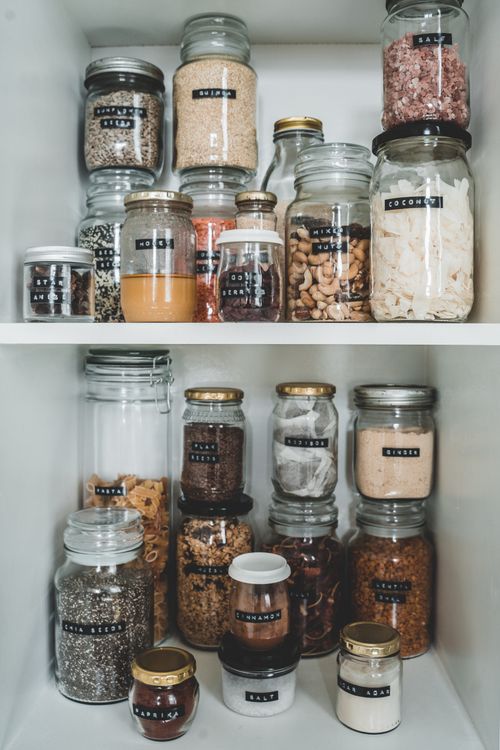
26. Label and date everything in your fridge and freezer
Painter\’s tape and a marker: contents plus date on every container. Why it works: professional kitchens run on FIFO (first in, first out) labeling because mystery containers become waste — nobody eats the unlabeled thing, and it dies in the back of the fridge. Labeling takes five seconds and eliminates both food waste and the \”is this still good?\” gamble. Date opened condiments too; they do not last forever.
27. Taste with a clean palate and season in passes
Taste, adjust, wait a minute, taste again — especially with salt and heat. Why it works: salt needs time to dissolve and integrate, and chili heat blooms over minutes. Professionals season in passes because the first taste lies slightly — it reflects unintegrated seasoning. The second pass, a minute later, tells the truth. This patience is the quiet difference between well-seasoned food and food that tastes \”almost right.\”
Frequently Asked Questions
What is the most impactful pro technique for a home cook to learn first?
Dry-brining, because it requires zero skill — just salt, time, and refrigerator space — yet transforms every piece of meat you cook. The improvement in seasoning depth and browning is immediate and dramatic. After that, learn to deglaze fond into pan sauces; together these two techniques upgrade weeknight cooking more than any gadget purchase.
Do I really need to weigh ingredients, or can experienced cooks eyeball?
Experienced cooks eyeball because they spent years weighing first — the scale trained their eyes. For brines, bread dough, and any ratio-sensitive preparation, weighing remains the professional standard regardless of experience, because crystal-size variance makes volumetric salt measurement unreliable. Weigh the critical stuff; eyeball the forgiving stuff. That is the actual pro approach.
Why does restaurant stir-fry taste better than mine?
Three factors: velveting (the cornstarch or baking-soda treatment that keeps meat silky), extreme wok heat you cannot easily replicate (use a screaming-hot cast iron skillet in batches as the home approximation), and sauce added at the very end so it glazes rather than braises. Velveting alone closes half the gap; batch-searing instead of crowding closes most of the rest.
Is reverse-searing worth the extra time for steak?
For steaks thicker than 4cm, absolutely — it is the most foolproof path to edge-to-edge even doneness with a hard sear. For thin steaks, it is unnecessary; direct high heat works fine because the interior cooks through before the exterior overcooks. Match the technique to the thickness: reverse-sear the thick, sear-and-baste the thin.
What does \”blooming spices\” actually do chemically?
Most spice flavor compounds are fat-soluble, not water-soluble. Heating ground spices in oil extracts these compounds far more efficiently than simmering them in water-based liquids, while the heat also volatilizes aromatic oils for a stronger aroma. Thirty to sixty seconds in hot fat can double the perceived flavor intensity of the same quantity of spice.
How do professional kitchens stay so organized during service?
Mise en place taken to an extreme: every component prepped, portioned, and within arm\’s reach before service begins, plus strict station organization so no cook crosses another\’s path. The home translation: prep everything before heating anything, group tasks by type, clean as you go, and label your storage. Organization is not personality — it is a system anyone can adopt.
