
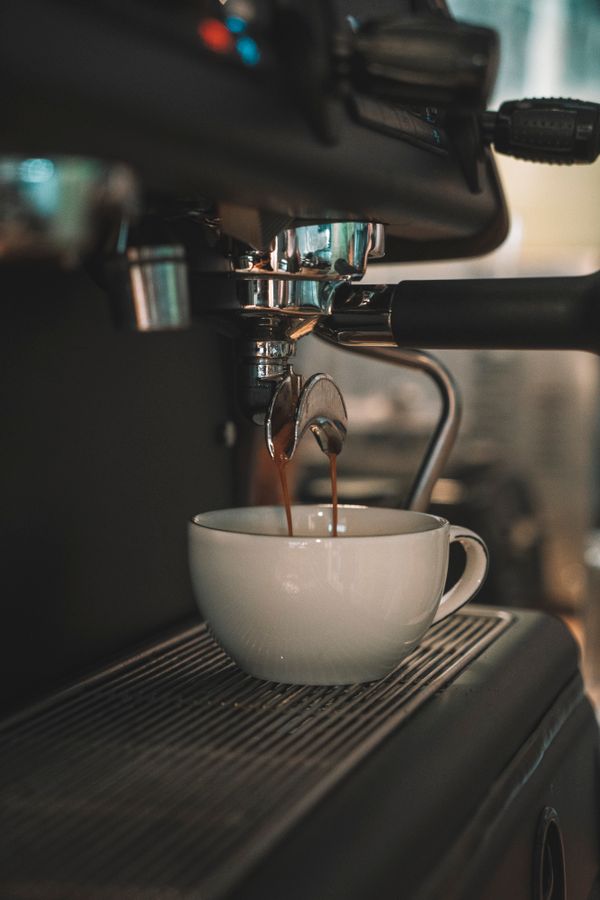
Coffee gadget trends 2026 show home brewing has never been better or more accessible. Short answer: precision grinders, cold brew systems, and temperature-controlled kettles are the year\’s most worthwhile upgrades; superautomatic espresso machines keep getting better for those ready to invest. This guide tours the trends, separates worth-it from hype, and maps upgrades to your brew style.
Coffee culture keeps moving into the home kitchen, and 2026\’s gadgets reflect a maturing market: fewer gimmicks, better engineering, and genuine café quality at every budget. Here is what is trending and what deserves your money.
Trend 1: Cold Brew Goes Premium
Cold brew\’s rise continues, and 2026\’s gadgets go beyond the basic mason-jar filter. Dedicated cold brew towers with slow-drip precision, large-capacity brewers with built-in filtration, and nitro-style infusers that add creamy texture without a keg are trending. The appeal is real: smooth, low-acid coffee concentrate that keeps for two weeks and powers iced drinks all summer.
Worth buying if you drink iced coffee regularly from spring through fall. A $40–$80 cold brew maker pays for itself against café prices within weeks. Look for easy-clean filters, airtight storage, and a size matching your consumption: quart systems for solo drinkers, half-gallon for households.
Buying tip
Coarse grind is essential for clean cold brew; a basic burr grinder plus a simple immersion brewer makes excellent cold brew without premium gear. Upgrade to towers and nitro only after the habit proves itself.
Trend 2: Precision Grinders for Everyone
The single biggest truth in coffee: the grinder matters more than the brewer. In 2026, quality burr grinders have dropped into every budget, from excellent $50 hand grinders that outperform old $150 electrics to single-dose electric grinders with near-zero retention. Fresh, uniform grounds transform every brew method instantly.
This is the year\’s most universally worthwhile coffee purchase. If you brew with pre-ground coffee, a grinder upgrade improves your cup more than any brewer ever will. Prioritize burr over blade (no contest), and match grind adjustability to your methods: espresso needs fine, stepless control; pour-over needs consistent medium.
Buying tip
Buy the grinder before the brewer. A $100 grinder with a $30 pour-over setup beats a $300 brewer with pre-ground coffee every time. Hand grinders offer the best quality per dollar if you brew one or two cups.
Trend 3: Temperature Control Everywhere
Variable-temperature gooseneck kettles, once enthusiast gear, are now mainstream 2026 essentials, with prices falling and features improving. Precise 200–205°F water for pour-over, 175°F for delicate teas, and hold functions that keep water ready transform brewing consistency. Smart kettles with app scheduling are nice but the core value is simple: the right temperature, every time.
Worth buying for any manual brewer: pour-over, French press, AeroPress, or tea lover. It is the rare gadget that improves results on day one with zero learning curve.
Trend 4: Superautomatic Espresso Matures
Superautomatic machines that grind, tamp, brew, and froth at one button press keep improving in 2026: quieter grinders, better milk systems, and more consistent extraction. Models like the De\’Longhi Magnifica line and competitors from Breville and Philips bring genuine café drinks to the countertop with minimal skill.
Worth buying if you drink milk-based espresso drinks daily and value convenience over ritual. The math is compelling: two daily café lattes fund a $700 machine in under a year. Purists who enjoy the manual ritual should stick with semi-automatics, which offer more control for less money.
Buying tip
Budget for maintenance: descaling supplies, water filters, and occasional servicing are real ongoing costs. Machines with removable brew groups are far easier to keep clean and lasting.
Trend 5: Smart Brewers and Connected Coffee
App-controlled pour-over stands, precision brewers with saved profiles, and scales with built-in timers bring data to manual brewing in 2026. The best of these genuinely help: a Bluetooth scale with a timer is a proven upgrade for pour-over consistency. The rest is often novelty: scheduling a drip machine from bed saves walking to the kitchen, which was never the hard part.
Worth buying selectively: a good brewing scale is essential gear; automated pour-over robots are for enthusiasts who have mastered manual technique and want repeatability.
Trend 6: Sustainable Coffee Gear
Reusable metal filters, compostable pods for compatible machines, and durable brewers built for decades reflect coffee\’s sustainability turn. French presses, pour-over drippers, and moka pots are inherently zero-waste; the trend is buyers choosing them deliberately over pod machines. Long-lasting gear from repairable brands is the premium flex of 2026.
Worth buying always: a reusable filter pays for itself in weeks and improves flavor over paper for full-immersion methods. If pods are non-negotiable, compostable options and recyclable programs reduce the guilt.
What Is Hype in 2026
Smart mugs that hold temperature via app are neat but solve a problem a $15 insulated mug handles. Overly complex single-serve systems with proprietary pods lock you into expensive coffee. Most \”coffee robots\” remain expensive toys for people who already own the manual gear they automate. And any gadget promising café espresso for $50 is lying about physics.
| Trend | Verdict | Best for |
|---|---|---|
| Cold brew systems | Worth it | Regular iced-coffee drinkers |
| Precision burr grinders | Worth it | Everyone — biggest upgrade |
| Temp-control kettles | Worth it | Manual brewers, tea lovers |
| Superautomatic espresso | Worth it | Daily latte drinkers |
| Connected brewers | Situational | Data-loving enthusiasts |
| Sustainable gear | Worth it | Everyone, always |
| Smart mugs | Skip | Insulated mug does it cheaper |
| $50 \”espresso\” gadgets | Skip | Physics disagrees |
Upgrade Paths by Brew Style
- Pour-over lover: burr grinder first, then gooseneck temp-control kettle, then a brewing scale. Total transformation under $250.
- French press fan: burr grinder and a quality press with a good filter screen; coarse, even grounds end sludge.
- Espresso devotee: espresso-capable grinder before any machine upgrade; then a semi-automatic with PID temperature control.
- Iced coffee daily: cold brew maker plus a burr grinder; batch weekly and skip the café line.
- Milk drinks: superautomatic for convenience or semi-auto plus a good frother for craft; either beats pods on quality and cost.
The Science of a Better Cup
Great coffee obeys a few principles that no gadget can bypass. Understanding them makes every purchase smarter.
Freshness first: Coffee peaks 3–14 days after roasting and declines steadily; pre-ground coffee stales within hours of opening. Buy whole beans in quantities you will use within two to three weeks, store airtight away from light (not the freezer for daily use), and grind just before brewing. No brewer compensates for stale beans.
Grind uniformity rules: Even particle size means even extraction; mixed fines and boulders brew sour and bitter simultaneously. This is why burr grinders dominate: they crush uniformly while blade grinders shatter randomly. Grind size then tunes the brew: finer for espresso\’s short contact, coarser for French press\’s long steep.
Water matters enormously: Coffee is 98 percent water, so water quality shapes the cup directly. Heavily chlorinated or very hard water mutes flavors; filtered water with moderate mineral content extracts best. Temperature targets 195–205°F for most methods; boiling water scorches delicate grounds.
Ratio is the recipe: The golden starting ratio is 1:15 to 1:17 coffee-to-water by weight (about 2 tablespoons per 6 ounces). A scale removes all guesswork and is the cheapest consistency upgrade after the grinder. Adjust stronger or weaker to taste from there.
Café Drinks to Master at Home
Pour-over (V60 or similar): Medium-fine fresh grounds, 200°F water poured in slow spirals, 2:30–3:30 total brew time. The ritual is meditative and the cup is clean and aromatic. This is where the gooseneck kettle earns its keep.
French press: Coarse grounds steeped 4 minutes, then plunged slowly. Full-bodied and forgiving; the most beginner-friendly path to excellent coffee. Keep the press clean, as rancid oils in the screen ruin cups silently.
Cold brew: Coarse grounds steeped 12–18 hours at room temperature or in the fridge, then filtered and diluted. Smooth, sweet, and low-acid; batch it weekly in summer and skip the café line entirely.
Moka pot: Fine grounds, preheated water, low heat, and removal before it gurgles. Produces strong, espresso-adjacent coffee that powers lattes and Cuban-style drinks. The 2026 trend is appreciating this humble Italian classic as the budget espresso alternative it truly is.
Espresso-based milk drinks: With a capable machine and fresh beans, home lattes and cappuccinos rival cafés. Steam milk to 140–150°F with velvety microfoam, pour with confidence, and practice latte art as the enjoyable final boss of home coffee.
Building a Home Coffee Station
Great home coffee is as much about workflow as gear. A well-organized station makes daily brewing joyful rather than fiddly.
Layout for your brew method: Arrange the station in brew order: beans and grinder, then brewer, then kettle, then cups. Everything within arm\’s reach, nothing crossing over. A small tray corrals the grinder, scale, and brewer into a defined zone that keeps counters tidy and the ritual contained.
Water within reach: Keep filtered water at the station: a filter pitcher or a dedicated kettle filled each evening. The fewer steps between you and brewing, the more consistently you will brew well. Morning friction kills more coffee rituals than bad gear ever does.
Bean management: Store beans in airtight, opaque containers at the station, buying quantities you will use within two to three weeks. Label roast dates; the nose knows freshness, but dates keep you honest. A small whiteboard or notebook for dialing in new beans turns experimentation into progress.
Cleaning supplies stationed: Keep a brush for the grinder, descaling solution for the kettle and machine, and cloths for the inevitable drips right at the station. Equipment maintained in the moment lasts years; equipment cleaned \”later\” degrades silently. Five minutes weekly on maintenance beats an hour monthly on rescue.
Frequently Asked Questions
What is the best coffee gadget upgrade for beginners?
A burr grinder, without hesitation. Freshly ground coffee improves every brew method more than any brewer upgrade, and entry-level burr grinders are affordable in 2026. Pair it with whatever brewer you already own before buying anything else.
Is cold brew stronger than regular coffee?
Cold brew concentrate is stronger per ounce, but it is always diluted before drinking, so the final cup is comparable to hot coffee. Its real differences are smoothness and low acidity from the cold extraction, not extra caffeine. Dilute concentrate 1:1 with water or milk to taste.
Are superautomatic espresso machines worth the money?
For daily milk-drink consumers, yes: the convenience is unmatched and café savings pay back the machine within a year or two. They produce very good, though not competition-grade, espresso. Maintenance costs are real, so budget for filters and descaling.
What grind size do I need for pour-over coffee?
Medium-coarse, like sea salt, is the starting point for most pour-over drippers. Too fine and the brew stalls and turns bitter; too coarse and it rushes through tasting sour. A quality burr grinder\’s consistency matters more than the exact setting; dial in by taste.
How long does cold brew last in the fridge?
Concentrate keeps 10–14 days refrigerated in an airtight container; diluted ready-to-drink cold brew lasts about a week. Keep it sealed and cold, and discard if it smells off or tastes stale. Make batches sized to your weekly consumption.
Do I need a gooseneck kettle for French press?
No, but temperature control still helps. French press is forgiving on pour technique since it is immersion brewing, so any kettle works; a variable-temperature model just nails the 200°F target effortlessly. Gooseneck precision matters most for pour-over drippers.
How much should a beginner spend on home coffee gear?
Around $100–$150 total transforms your coffee: a basic burr grinder ($50–$80), a pour-over dripper or French press ($20–$30), and a kitchen scale ($15). This setup outperforms any expensive brewer paired with pre-ground coffee. Upgrade the brewer only after the grinder habit is established.
Is expensive coffee gear just snobbery?
Up to a point, no: grinders, fresh beans, and temperature control produce measurably better cups that blind tastings confirm. Beyond roughly $500–$800 total investment, returns diminish sharply and preferences dominate. The sweet spot is quality fundamentals, not luxury branding.
The Bottom Line
Coffee gadget trends 2026 favor substance over novelty: precision grinders, cold brew systems, temperature-controlled kettles, and maturing superautomatics all deliver genuinely better coffee at home. Start with the grinder, match upgrades to your brew style, and skip the app-controlled novelties. Great home coffee was never about having the most gadgets; it is about fresh grounds, right temperatures, and the ritual you actually enjoy.
