
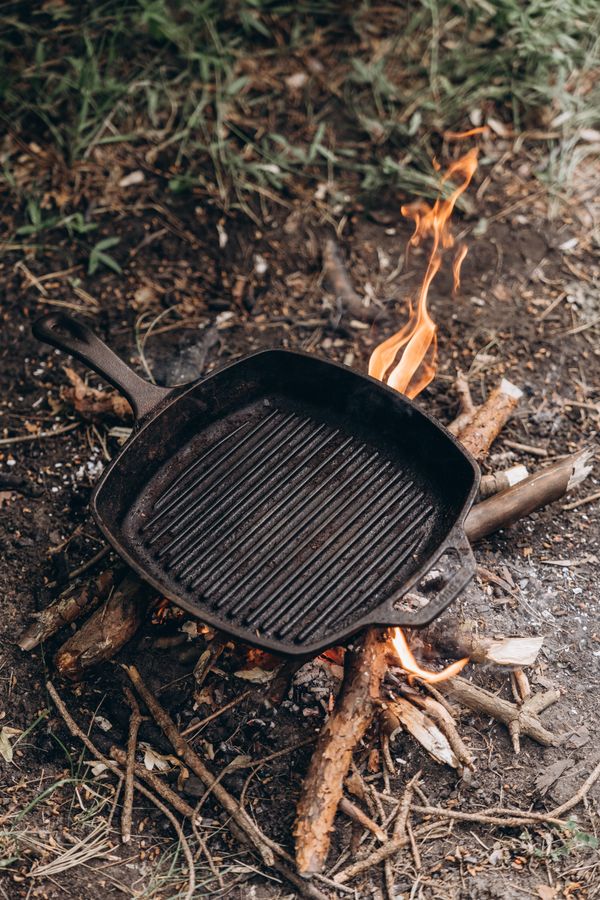
Eggs are the ultimate nonstick test, and the nonstick vs cast iron for eggs debate has a clear short-term winner: nonstick. Nothing releases a fried egg or an omelet more effortlessly than a fresh coated pan. But cast iron loyalists insist a well-seasoned skillet fries eggs just as well — and lasts forever doing it. This comparison settles it across release, technique, heat control, durability, and cost, so you can pick the right egg pan for your mornings.
Nonstick vs Cast Iron for Eggs: The Quick Verdict
Nonstick wins for eggs on ease: perfect release with minimal fat, no technique required, and near-zero cleanup. Cast iron wins on longevity and versatility: a seasoned skillet fries excellent eggs and then sears steaks, bakes cornbread, and lasts generations. If eggs are your priority and you want foolproof mornings, buy nonstick. If you want one pan that does eggs and everything else, learn cast iron.
| Feature | Nonstick Pan | Cast Iron Skillet |
|---|---|---|
| Egg release (new/well-kept) | Perfect, effortless | Very good once seasoned |
| Skill required | None | Moderate — preheat and timing |
| Fat needed | Minimal — a wipe of butter | More — generous butter or oil |
| Omelet flipping | Easy, pan is light | Harder — pan is heavy |
| Durability | Coating wears in 2–5 years | Decades; improves with use |
| Cleanup | Wipe clean in seconds | Hot water, brush, dry, oil |
| Price | $25–$80 | $20–$60 |
Why Eggs Are Hard: The Science of Sticking
Egg proteins are sticky by nature. When egg white hits a hot surface, its proteins unfold and bond to microscopic pores and imperfections in the metal — the same mechanism that makes eggs the benchmark for nonstick performance. Two things prevent sticking: a physical barrier (a slick coating, or a layer of fat plus polymerized seasoning) and correct temperature (hot enough to set proteins on contact before they bond, but not so hot they weld on).
Nonstick coatings solve the problem chemically — food simply cannot grip the slick fluoropolymer or ceramic surface. Cast iron solves it with seasoning plus technique: a well-built polymerized oil layer fills the iron\’s texture, and proper preheating sets the egg before it can bond. Both approaches work; they just demand different things from the cook.
Cooking Eggs in Nonstick: The Effortless Method
Nonstick is the reason many people cook eggs at all on busy mornings. Preheat the pan over medium-low heat, add a small knob of butter or a thin film of oil, and cook. Fried eggs release with a nudge of the spatula; omelets slide and fold; scrambled eggs stay creamy without catching on the pan\’s surface. Cleanup is a rinse and a wipe — often without soap.
The technique ceiling is low, which is the point: there is almost no way to mess up eggs in a good nonstick pan. French omelets with their pale, tender curds, delicate over-easy eggs with unbroken yolks, and crispy-edged fried eggs all come easily. For egg-focused cooking — shakshuka, frittatas started on the stove, egg sandwiches — nonstick removes every friction point.
Cooking Eggs in Cast Iron: The Technique Method
Cast iron demands a ritual, but devotees say the results are worth it. The method: preheat the skillet over medium-low heat for a full five minutes — cast iron heats slowly and unevenly if rushed. Add butter or oil and let it shimmer. Add the eggs and, crucially, do not touch them until the whites set and release naturally. With a well-seasoned pan, fried eggs slide; with a new or poorly seasoned pan, they stick and tear.
The learning curve is real. Too little preheat and eggs bond to cold iron; too much heat and the butter browns before the eggs set. But once the technique clicks — usually within a couple of weeks of regular use — cast iron fries superb eggs with lacy, crispy edges that nonstick\’s gentle heat cannot produce. Many cooks describe a moment when their skillet \”turns the corner\” and eggs start sliding.
Heat Control: Gentle vs Forgiving
Eggs want gentle, even heat, and here the pans differ in character. Nonstick\’s aluminum body heats fast and evenly — ideal for the quick, controlled cooking eggs need. But nonstick punishes overheating: high heat degrades the coating, so you are confined to medium and below.
Cast iron\’s thermal mass is a double-edged sword for eggs. Once at temperature, it holds steady heat beautifully — no hot spots, no temperature crashes when cold eggs hit the pan. But it is slow to adjust: overshoot the heat and you wait for the heavy iron to cool. Experienced cast iron egg cooks learn their burner\’s exact setting and rarely touch the dial.
Which Egg Dishes Suit Each Pan?
- Fried eggs, over-easy: nonstick for foolproof release; cast iron for crispy lacy edges once seasoned.
- Omelets and frittatas: nonstick wins — the light pan makes folding, flipping, and sliding onto a plate effortless.
- Scrambled eggs: nonstick for creamy, low-and-slow curds; cast iron works but needs more fat and attention.
- Shakshuka: cast iron wins — it goes from stovetop to oven for finishing, and the acidic tomato sauce is fine for a well-seasoned pan in normal cooking times.
- Eggs baked or broiled: cast iron only — nonstick coatings and high oven heat do not mix.
Durability: The Long Game
This is where the nonstick vs cast iron for eggs comparison flips decisively. A nonstick egg pan used daily lasts two to four years before the coating degrades — and egg pans get used daily, accelerating wear. Metal spatulas, stacking, dishwashers, and overheating all shorten its life further. Dedicated egg pans are consumables.
A cast iron skillet used daily for eggs lasts indefinitely and actually improves — every fried egg deposits a micro-layer of seasoning. The pan your grandchildren inherit could be the one you fried eggs in this morning. Over a twenty-year horizon, the economics are not close: one $30 cast iron skillet versus five or six $40 nonstick pans.
Health and Safety Notes
Modern PFOA-free nonstick coatings are considered safe for normal egg-cooking temperatures, which are well below the heat levels where coating breakdown becomes a concern. The main rule — never preheat an empty nonstick pan on high — is easy to follow for eggs since they cook on gentle heat anyway. Ceramic nonstick offers a PTFE-free alternative with somewhat shorter coating life.
Cast iron\’s consideration is iron leaching: cooking eggs contributes small amounts of dietary iron, generally harmless and potentially beneficial. One practical note — cooking highly acidic foods in the same skillet you use for eggs is fine occasionally, but long acidic simmers can strip young seasoning, so many cast iron cooks keep a separate pan for tomato sauces.
Maintenance Reality Check
Nonstick egg pans ask for gentle handling: hand wash with a soft sponge, use silicone or wood utensils, avoid stacking without protection, and keep heat at medium or below. The routine is easy but unforgiving of lapses — one overheated empty pan can permanently damage the coating.
Cast iron asks for a short routine: clean while warm with hot water and a brush, dry on heat, wipe with thin oil. It tolerates metal spatulas and high heat without complaint. The routine is slightly more involved but far more forgiving of mistakes — almost nothing you do to cast iron is irreversible.
Cost Over Ten Years
A quality nonstick egg pan costs $30 to $60 and needs replacing every three years with daily use: roughly $150 to $300 per decade. A $25 to $40 cast iron skillet costs that once — per lifetime. If you fry eggs most mornings, cast iron is dramatically cheaper long-term. The nonstick premium buys convenience, not durability.
The 2026 Angle: Hybrid and Dedicated Designs
The egg-pan market in 2026 reflects the broader coating evolution: PFAS-free ceramic coatings, hybrid stainless-dot surfaces that protect the slick layer, and even tiny dedicated single-egg pans for perfect portions. These are nice refinements, but they do not change the core tradeoff. Meanwhile, pre-seasoned cast iron keeps getting better out of the box — modern factory seasoning is miles ahead of decades past, shortening the break-in period for egg cooking.
The Perfect Fried Egg: Step by Step in Each Pan
The nonstick vs cast iron for eggs debate becomes concrete with a side-by-side method. In nonstick: place the pan over medium-low heat for one minute, add a teaspoon of butter and swirl as it foams, crack in the egg, and cook undisturbed. For sunny-side up, cover for the last minute to set the white; for over-easy, flip confidently with a silicone spatula — the egg releases without coaxing. Total time: about three minutes, with virtually no cleanup.
In cast iron: place the skillet over medium-low heat for a full five minutes — do not rush this. Add a tablespoon of butter or oil (more fat than nonstick needs) and let it shimmer. Crack in the egg and do not touch it until the edges crisp and the white sets firmly, about two to three minutes. Slide a thin metal spatula underneath; on a well-seasoned pan, the egg lifts cleanly with lacy, golden edges that nonstick cannot produce. Flip if desired. The cast iron egg takes longer and demands more attention, but devotees insist the crispy-edge texture is worth every second.
Cleaning Up After Eggs Gone Wrong
Stuck eggs happen to everyone — here is how to recover without damaging either pan. For nonstick, never attack stuck egg with anything abrasive: fill the pan with warm (not hot) water and a drop of dish soap, let it soak for ten minutes, and the residue wipes away with a soft sponge. If egg has truly welded on, simmer water in the pan for a few minutes to loosen it — gentle heat plus time beats force every time.
For cast iron, while the pan is still warm, pour in hot water and scrape gently with a wooden spoon or a plastic pan scraper — never let stuck egg sit until the pan is cold, when it bonds harder. A paste of coarse salt and a paper towel works as a mild abrasive that will not harm seasoning. Then dry on heat and wipe with thin oil as usual. The cardinal rule for both pans: clean while warm, never while screaming hot (thermal shock) and never after everything has cooled and cemented.
Final Verdict: Which Is Better for Eggs?
For pure egg performance with zero learning curve, nonstick is better — it is the foolproof choice for perfect omelets and easy mornings. For lifetime value, versatility, and the satisfaction of a pan that improves forever, cast iron is better. The pragmatic answer for egg lovers: keep a small nonstick pan as your dedicated egg specialist and a cast iron skillet for everything else. If you must choose one, choose based on honesty about your mornings — rushed and convenience-driven means nonstick; ritual-loving and technique-curious means cast iron.
Frequently Asked Questions
Can you really fry eggs in cast iron without sticking?
Yes, with a well-seasoned pan and proper preheating. Heat the skillet over medium-low for five minutes, add butter or oil, and let the eggs set before moving them. New or poorly seasoned pans will stick — the first month of regular use builds the seasoning that makes eggs slide.
What is the best oil for frying eggs in cast iron?
Butter gives the best flavor and works well on seasoned iron. For higher-heat crispy edges, use a neutral oil with a high smoke point like avocado oil, then finish with butter. Avoid extra-virgin olive oil for high-heat egg frying — it smokes and can taste bitter.
How long does a nonstick egg pan last?
With daily egg use and proper care, two to four years. Eggs cook at gentle heat, which is kind to coatings, but daily use still wears the surface. Replace the pan when eggs start sticking despite adequate fat — a degraded coating will not recover.
Should I use soap on my cast iron egg skillet?
A small amount of dish soap is fine on modern, well-established seasoning — it will not strip polymerized oil. What matters more is drying the pan on heat immediately after washing and wiping it with a thin layer of oil before storing.
Are ceramic egg pans better than PTFE ones?
Ceramic offers PTFE-free cooking, which some buyers prefer, but ceramic coatings typically lose their nonstick performance faster than quality PTFE. For a dedicated egg pan replaced every few years anyway, either works — choose based on your comfort with coating chemistry.
Why do my eggs stick to my new cast iron skillet?
Factory seasoning is a starting point, not a finished surface. The pan needs weeks of regular cooking to build a robust patina. Until then, use generous fat, moderate heat, and patience — and cook fatty foods like bacon and roasted vegetables to accelerate seasoning.
Can I put my nonstick egg pan in the oven?
Many are oven-safe to 400°F or so, but check the rating — plastic handles lower the limit and broilers are off-limits. Cast iron has no oven restrictions, which is why frittatas and shakshuka finished under heat favor iron.
