
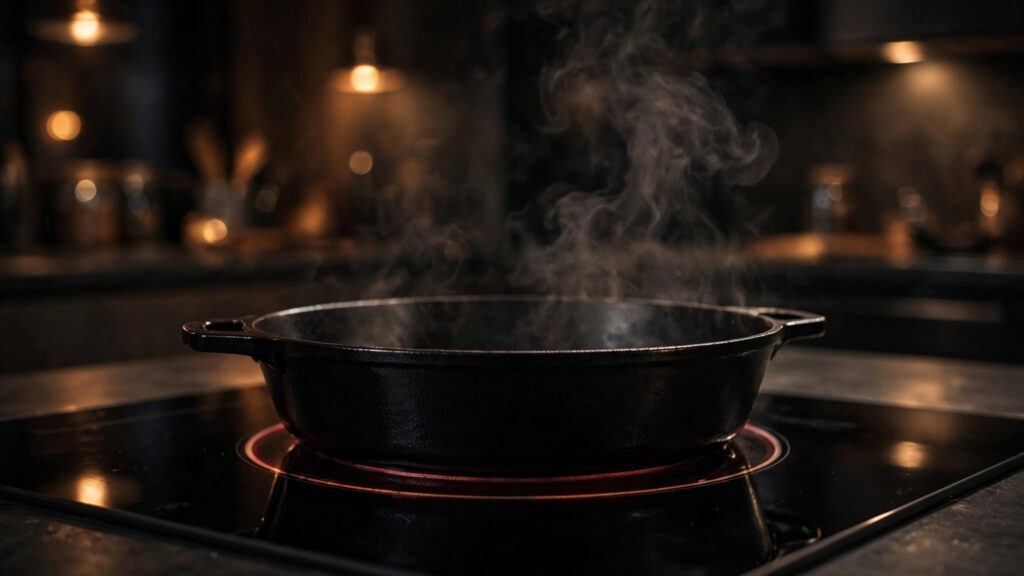
Intro
Yes, you can use cast iron on a glass top stove — but not every skillet is up to the job. The rough, unfinished bottoms on many traditional pans are abrasive enough to scratch glass, and a heavy pan dropped even a few inches can crack a cooktop. The trick is choosing a skillet with a smooth, flat bottom, reasonable weight, and a diameter that matches your burner.
Enameled cast iron is the safest bet for glass cooktops: the vitreous enamel coating is fired smooth like glass itself, so it sits gently on the surface while delivering all the heat retention and even cooking cast iron is famous for. Well-made seasoned skillets with smooth bottoms work too — you just have to lift them, never slide them.
This is a research-based comparison of six top-rated skillets, drawn from manufacturer specs and independent reviews. No inflated claims, no invented specs — just what matters for glass top cooking.
Our Top Picks
- Best Overall (Enameled): Le Creuset Signature Iron Handle Skillet, 10.25″
- Best Mid-Priced Enameled: Lodge Enameled Cast Iron Skillet, 11″
- Best Budget Enameled: Cuisinart Chef’s Classic Enameled Cast Iron Skillet, 12″
- Best Value Enameled: Tramontina Enameled Cast Iron Skillet, 10.25″
- Best Seasoned Classic: Victoria Cast Iron Skillet, 10″
- Best Ultra-Budget Seasoned: Utopia Kitchen Pre-Seasoned Cast Iron Skillet, 10″
The 6 Best Cast Iron Skillets for Glass Top Stoves
1. Le Creuset Signature Iron Handle Skillet, 10.25″
The gold standard of enameled cast iron, and the safest-feeling skillet you can set on a glass cooktop. The smooth enamel coating is fired glass-like on the bottom, so there’s nothing abrasive to scratch the surface, and the interior uses Le Creuset’s black satin enamel — excellent for searing and browning without sticking. Heat distribution is superb and even, and the skillet moves seamlessly from stovetop to oven (up to 500°F). It’s backed by a lifetime warranty and lasts generations with care. The downside is the premium price, and like all enameled iron it’s still heavy — always lift it onto and off the glass.
Pros:
- Glass-smooth enamel bottom is the most scratch-resistant finish for glass cooktops
- Black satin enamel interior sears and browns beautifully with easy cleanup
- Exceptional, even heat retention across the whole cooking surface
- Lifetime warranty; oven-safe to 500°F
Cons:
- Premium price — a real investment piece
- Still heavy, so lift carefully; no dropping or sliding
- Metal utensils can chip the enamel over time
2. Lodge Enameled Cast Iron Skillet, 11″
Lodge’s enameled line is the most accessible way to get glass-top-safe cast iron. The 11-inch skillet’s porcelain enamel bottom is smooth and non-abrasive, so it sits on glass without the scratch risk of bare iron, and the enamel interior needs no seasoning and won’t react with acidic foods like tomatoes. A helper handle on the opposite side makes it much easier to lift the full, heavy pan safely — important on a glass surface where you must lift rather than slide. It’s oven-safe, easy to clean, and comes in colors that look great going from stove to table.
Pros:
- Smooth porcelain enamel bottom is gentle on glass cooktops
- Helper handle makes the heavy pan easier to lift safely
- No seasoning needed; non-reactive surface handles acidic foods
- Generous 11-inch cooking surface for family meals
Cons:
- Enamel can chip if knocked or dropped — inspect the base regularly
- Heavier than bare cast iron; always lift, never slide
- Oven temperature ceiling is lower than premium brands (check the manual)
3. Cuisinart Chef’s Classic Enameled Cast Iron Skillet, 12″
The budget enameled champion. Independent lab testing has rated this skillet highly for searing and evenness, and its porcelain enameled interior and exterior give it the same smooth, glass-friendly bottom as skillets costing far more. The 12-inch size is roomy — great for batch cooking, searing multiple steaks, or a big frittata — and it transitions stovetop to oven at up to 500°F. It’s dishwasher-safe too, a rarity for cast iron. Some reviewers report the exterior enamel is the most chip-prone part of this pan, so handle the base with care on glass and avoid stacking.
Pros:
- Excellent price-to-performance: tested searing power at a budget price
- Smooth enamel bottom safe for glass cooktops; dishwasher-safe
- Large 12-inch cooking surface for big batches
- Oven-safe to 500°F; available in several colors
Cons:
- Exterior enamel is the most chip-prone spot per some reviewers
- Large and heavy — be extra careful lifting it onto glass
- Quality control can be inconsistent across units
4. Tramontina Enameled Cast Iron Skillet, 10.25″
A long-running Walmart favorite and one of the best values in enameled cast iron. The 10.25-inch Tramontina skillet has a smooth enamel bottom that’s safe on glass cooktops, excellent heat retention for searing and slow cooking, and a pour spout for draining liquids. It performs well above its price point. The 10.25-inch diameter is a sweet spot for glass stoves: big enough for most meals, small enough to match a standard burner ring. It’s widely available, which also makes replacements easy if the enamel ever chips.
Pros:
- Smooth enameled bottom is glass-top friendly at a very low price
- Ideal 10.25-inch diameter matches standard burner rings
- Great heat retention; pour spout for easy draining
- Widely available and easy to replace
Cons:
- Thinner enamel than premium brands — more chip risk over time
- Handle is shorter and narrower than the Lodge or Victoria
- Not as heavy-duty; may not last as many decades as premium picks
5. Victoria Cast Iron Skillet, 10″
If you want traditional seasoned cast iron rather than enamel, Victoria is one of the better choices for a glass top. Its longer, ergonomic handle gives you far better control when lifting the heavy pan — and on glass, lifting control is everything. The pre-seasoned surface with flaxseed oil is smoother out of the box than many rough bargain pans, with pour spouts on both sides. Check the bottom before first use: flip it over, and if it sits flat without rocking and feels reasonably smooth, you’re set. Remember the golden rule for seasoned iron on glass — lift, never slide — and wipe the bottom clean before each use.
Pros:
- Longer ergonomic handle makes lifting safer on glass
- Smoother pre-seasoned finish than most budget raw-iron pans
- Dual pour spouts for easy grease draining
- Very affordable for a quality seasoned skillet
Cons:
- Bottom isn’t as smooth as enamel — lift carefully and never slide
- Needs seasoning maintenance; hand-wash only
- Reacts with acidic foods (tomato sauce, citrus) like all seasoned iron
6. Utopia Kitchen Pre-Seasoned Cast Iron Skillet, 10″
The cheapest way into cast iron cooking, and perfectly fine on a glass top if you handle it right. The Utopia Kitchen skillet arrives pre-seasoned and ready to cook, with two pour spouts and solid heat retention for searing and frying. The bottom has a rougher cast finish than the Victoria, so this one is strictly lift-and-place territory — clean the bottom with a stiff brush or chainmail before every use so no carbon buildup grinds into the glass. At this price it’s also a great starter pan to learn whether you love cast iron before investing in enamel.
Pros:
- Extremely affordable entry point into cast iron
- Pre-seasoned and ready to cook out of the box
- Good heat retention for searing and frying
- Two pour spouts for easy draining
Cons:
- Rougher bottom finish than pricier seasoned pans — must lift, never slide
- Requires regular seasoning upkeep and careful drying to avoid rust
- Handle gets hot; always use a mitt or handle cover
How to Choose a Cast Iron Skillet for a Glass Top Stove
Smooth vs. rough bottoms
This is the single most important factor. A glass cooktop scratches when something harder or rougher drags across it. Enameled cast iron bottoms are fired smooth — vitreous enamel is essentially glass fused to metal — so they’re the safest choice. Seasoned cast iron bottoms vary: some are milled smooth, many are pebbly or carry casting marks. Before buying, flip the pan over. If it rocks on a flat surface, skip it. If it feels like sandpaper, either pass or commit to lift-only handling.
Enameled vs. seasoned
Enameled wins for glass tops, full stop. It’s smoother, needs no seasoning, doesn’t react with acidic foods, and cleans up with soap and water. Seasoned iron is cheaper and gets better at nonstick searing over time, but the bottom is inherently less glass-friendly and demands stricter habits (lift, never slide; keep the base scrubbed clean of carbonized crud, which is harder than iron itself and scratches glass easily).
Weight
Cast iron is heavy, and glass can crack if a pan is dropped or slammed down. Lighter is safer for glass tops — a 10-inch skillet is noticeably easier to control than a 12-inch one when full. Handles matter too: helper handles or longer handles give you the two-handed control that prevents accidental drops.
Diameter vs. burner size
Match the pan’s base to your burner ring. A pan much larger than the burner traps heat around the element and can stress the glass outside the heated zone; a tiny pan on a big burner wastes energy and overheats the exposed glass, baking spills on permanently. A 12-inch skillet works too if they fit your burner, but they’re heavier and harder to lift safely when full.
The golden rules
Lift, never slide. Preheat gradually on medium or medium-low — cast iron holds heat so well that high heat is rarely needed and can stress the glass. Keep the pan bottom and the cooktop free of crumbs, salt crystals, and sugar before every use. Never put a hot pan on a cold, wet surface (thermal shock can crack glass). And never use a pan whose enamel is chipped on the bottom — the exposed edge is rough enough to scratch.
Frequently Asked Questions
Will cast iron scratch a glass top stove?
It can, and it’s the most common complaint with this combination. The rough, unfinished bottoms of many cast iron pans are abrasive, and sliding the pan — even a little — can leave visible scratches. The risk drops dramatically with smooth-bottomed enameled skillets, and near-zero if you always lift the pan instead of sliding it.
Is enameled or seasoned cast iron better for glass top stoves?
Enameled. The smooth enamel coating is much less abrasive than seasoned iron, it needs no seasoning maintenance, and it won’t react with acidic foods. Seasoned cast iron works fine on glass too — you just have to be more careful about lifting, keeping the bottom clean, and avoiding rough-bottomed pans.
Can I use a heavy cast iron skillet on a glass cooktop?
Yes, with care. Keep the bottom of the pan and the surface of the stove clean, set the pan down gently (never drop or slam it), match the pan size to the burner, and avoid extreme high heat. Manufacturers like GE advise caution rather than banning cast iron outright — the user bears responsibility for cosmetic damage.
What size cast iron skillet is best for a glass top stove?
A 10 to 10.25-inch skillet matches most standard burner rings and is light enough to control safely. Larger 12-inch skillets work too if they fit your burner, but they’re heavier and harder to lift safely when full.
Should I use a heat diffuser under cast iron on glass?
It’s optional but helpful for two cases: bare seasoned iron with a less-than-perfect bottom, and very heavy pans you’d rather not drag across the glass. A diffuser adds a protective buffer, though it slightly slows heating. With smooth enameled skillets and good lifting habits, you don’t need one.
Cast iron and glass cooktops can absolutely coexist — you just need the right pan and the right habits. Choose a smooth-bottomed enameled skillet, match it to your burner, and commit to lifting instead of sliding, and you’ll get decades of cast iron searing and roasting without a mark on your stovetop.
