
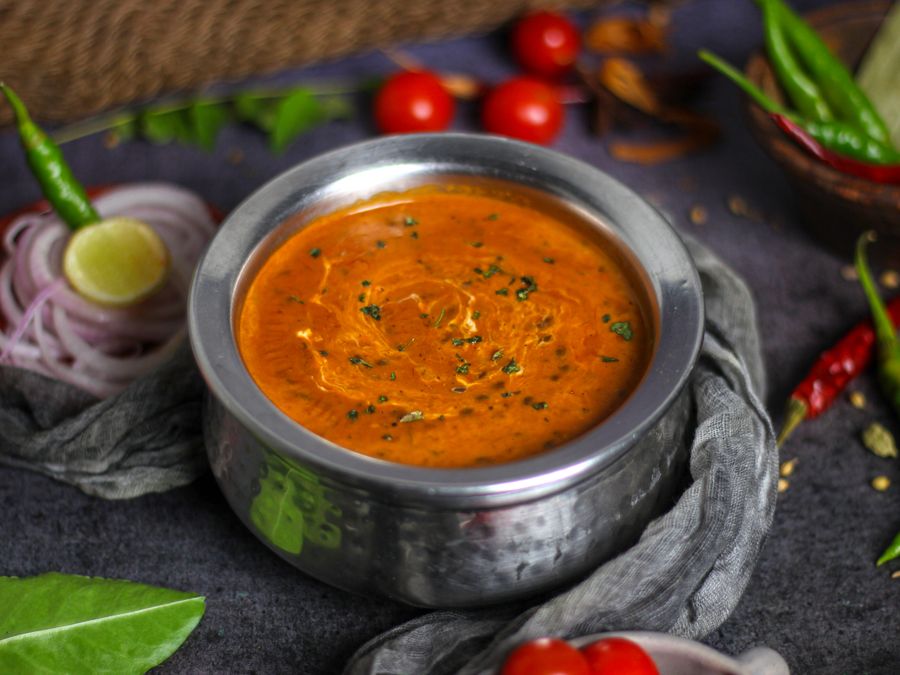
Easy vegetarian dinners for Meatless Monday prove that skipping meat never means skipping satisfaction: hearty mushroom stroganoff, creamy chickpea curry, loaded vegetarian lasagna, and protein-packed grain bowls that keep everyone full and happy. This roundup of 25 vegetarian dinners delivers bold flavors and complete nutrition, each ready in 45 minutes or less.
The secret to vegetarian dinners that satisfy meat-eaters is building the same things meat provides: heft (beans, lentils, mushrooms, tofu), umami (tomato paste, soy sauce, parmesan, mushrooms), and texture contrast (crispy, creamy, chewy in one plate). Every recipe below checks those boxes.
Making Vegetarian Dinners Satisfying
Brown your vegetables and mushrooms hard for caramelized depth, don\’t skimp on fat and seasoning, and always include a protein anchor — beans, lentils, tofu, tempeh, eggs, or cheese. Finish with something bright (lemon, herbs, pickled onions) to keep rich vegetarian dishes from tasting heavy.
1. Mushroom Stroganoff
Mixed mushrooms in a creamy Dijon-sour cream sauce over egg noodles. Serve on comfort-food Mondays. Tip: use at least two mushroom varieties — cremini for meatiness, shiitake for deep umami.
2. Chickpea Coconut Curry
Chickpeas and spinach simmered in coconut milk with red curry paste. Serve on curry-craving nights over jasmine rice. Tip: fry the curry paste in coconut cream first to bloom its aromatics.
3. Vegetarian Lasagna
Layers of ricotta, spinach, roasted vegetables, marinara, and mozzarella. Serve on family Sundays that happen to be meatless. Tip: roast the vegetables first so they don\’t water out the lasagna.
4. Black Bean Enchiladas
Corn tortillas filled with smoky black beans and cheese, baked in enchilada sauce. Serve on Tex-Mex Mondays. Tip: warm tortillas before rolling so they don\’t crack and split.
5. Eggplant Parmesan
Crispy baked eggplant layered with marinara and mozzarella. Serve on Italian nights. Tip: salt and rest sliced eggplant 30 minutes, then pat dry — it removes bitterness and prevents sogginess.
6. Lentil Bolognese
Brown lentils simmered with tomatoes, carrots, and Italian herbs over pasta. Serve on nights when you want bolognese heartiness, meat-free. Tip: a splash of soy sauce adds the savory depth meat usually provides.
7. Stuffed Bell Peppers (Vegetarian)
Peppers filled with quinoa, black beans, corn, and cheese. Serve on colorful, portion-perfect Mondays. Tip: par-bake the empty peppers 10 minutes so they finish tender at the same time as the filling.
8. Thai Green Curry with Tofu
Crispy tofu, bell peppers, and bamboo shoots in coconut-green curry sauce. Serve on Thai takeout nights. Tip: press and sear the tofu separately so it stays crispy in the sauce.
9. Spinach and Ricotta Stuffed Shells
Jumbo shells filled with ricotta, spinach, and parmesan, baked in marinara. Serve on cozy family dinners. Tip: cook shells 2 minutes shy of the package time — they finish in the oven.
10. Vegetable Pad Thai
Rice noodles, tofu, bean sprouts, and peanuts in sweet-tangy tamarind sauce. Serve on noodle-craving nights. Tip: have every ingredient prepped before the wok gets hot — pad Thai cooks in minutes.
11. Cauliflower Tikka Masala
Roasted cauliflower in creamy tomato-fenugreek sauce. Serve on Indian-food nights with basmati rice. Tip: char the cauliflower under the broiler before saucing for smoky depth.
12. Portobello Mushroom Burgers
Marinated portobello caps grilled and served with all the fixings. Serve on burger nights, meat-free. Tip: scrape out the gills to prevent a soggy, black burger.
13. Ratatouille (Baked)
Thin-sliced zucchini, eggplant, and tomatoes baked in herb tomato sauce. Serve on late-summer Mondays with crusty bread. Tip: mandoline-slice the vegetables for even cooking and a stunning presentation.
14. Sweet Potato and Black Bean Chili
Smoky vegetarian chili with roasted sweet potato. Serve on fall game days with cornbread. Tip: roast the sweet potato cubes separately so they keep their shape.
15. Margherita Flatbread Pizzas
Naan or flatbread topped with tomato, fresh mozzarella, and basil. Serve on Friday pizza nights. Tip: bake at the highest oven temperature for a crisp, blistered crust.
16. Vegetable Fried Rice
Day-old rice wok-tossed with vegetables, edamame, and scrambled egg. Serve on clean-out-the-fridge nights. Tip: cold, day-old rice fries up fluffy; fresh rice turns gummy.
17. Butternut Squash Risotto
Creamy arborio rice with roasted butternut squash, sage, and parmesan. Serve on elegant autumn Mondays. Tip: add warm stock one ladle at a time, stirring often, for the creamiest texture.
18. Falafel Wraps
Crispy baked falafel in pita with hummus, tabbouleh, and tahini. Serve on Middle Eastern-inspired nights. Tip: use dried (not canned) chickpeas soaked overnight for falafel that holds together.
19. Creamy Tuscan White Bean Skillet
Cannellini beans and spinach in a garlicky parmesan cream sauce. Serve on 20-minute nights with crusty bread. Tip: mash some beans to thicken the sauce naturally.
20. Vegetable Lo Mein
Chewy noodles tossed with crisp vegetables in savory soy-sesame sauce. Serve on takeout-style nights. Tip: slightly undercook the noodles — they finish in the hot sauce.
21. Stuffed Acorn Squash
Roasted acorn squash filled with wild rice, cranberries, pecans, and kale. Serve on festive fall Mondays. Tip: slice a thin sliver off the bottom so the squash halves sit flat.
22. Shakshuka
Eggs poached in smoky tomato-pepper sauce with feta. Serve on brunch-for-dinner nights with crusty bread. Tip: make wells in the sauce for the eggs and cover the pan so the whites set evenly.
23. General Tso\’s Cauliflower
Crispy battered cauliflower in sweet-spicy General Tso\’s sauce. Serve on Chinese takeout nights over rice. Tip: toss in sauce just before serving to keep the coating crisp.
24. Caprese Stuffed Portobellos
Portobello caps filled with tomato, mozzarella, and basil, baked until melty. Serve on light summer Mondays. Tip: pre-roast the caps 5 minutes and drain the liquid before filling.
25. Red Lentil Dal
Creamy red lentils with turmeric, cumin, and ginger, finished with coconut milk. Serve on cozy, budget-friendly nights over rice. Tip: temper spices in hot oil (tarka) and pour over at the end for restaurant-level aroma.
Vegetarian Dinner Tips
- Chase umami: mushrooms, tomato paste, soy sauce, miso, and parmesan add the savory depth meat usually brings.
- Protein at every meal: anchor with beans, lentils, tofu, tempeh, eggs, or dairy so dinners satisfy.
- Texture matters: pair creamy with crispy — toasted nuts, breadcrumbs, or seeds on soft dishes.
- Season boldly: vegetables need more salt, acid, and spice than meat to taste vibrant — don\’t hold back.
- Batch your bases: cook big pots of grains and beans on Sunday for instant vegetarian dinners all week.
Pantry Staples for Meatless Monday Success
Successful vegetarian cooking starts with a well-stocked pantry, because meatless dinners lean harder on seasonings and staples for depth. The essentials: canned beans (chickpeas, black beans, cannellini), dried lentils (brown for texture, red for creaminess), coconut milk, canned tomatoes (whole San Marzanos for sauces), vegetable broth (better-than-bouillon style concentrates are excellent), and grains (rice, quinoa, farro, pasta).
The flavor arsenal matters even more: soy sauce, miso paste, tomato paste, smoked paprika, cumin, curry powder, nutritional yeast (cheesy, nutty depth for vegan dishes), tahini, peanut butter, and a good olive oil. Dried mushrooms (porcini or shiitake) are a secret weapon — rehydrated, they add intense umami to stews, risottos, and sauces; the soaking liquid becomes instant mushroom stock. Keep nuts and seeds (walnuts, pecans, sunflower seeds, sesame) for crunch and richness.
In the fridge, always have eggs, parmesan (real Parmigiano-Reggiano elevates everything), feta, Greek yogurt, and tofu or tempeh. With this foundation, a Meatless Monday dinner is never more than 30 minutes away — the recipes above draw on these staples constantly, which is exactly why they work on real weeknights.
How to Add Protein Without Meat: A Practical Guide
The protein question stops many people from trying vegetarian dinners, but the math is reassuring. Legumes lead: lentils (18g per cooked cup), chickpeas (15g), black beans (15g). Soy products are complete proteins — tofu (20g per cup), tempeh (31g per cup!), edamame (17g per cup). Dairy and eggs fill gaps easily: Greek yogurt (20g per cup), cottage cheese (28g per cup), eggs (6g each), parmesan (10g per ounce).
Combining is the real strategy: rice + beans, hummus + pita, lentil curry + yogurt, pasta + parmesan — each pairing covers the full amino acid spectrum while tasting like a complete meal rather than a science project. Aim for two protein sources per dinner (e.g., chickpea curry with yogurt, or black bean enchiladas with cheese) and you\’ll land in the 20–30g range effortlessly.
For athletes and growing kids, add a third anchor: an egg on top of fried rice, extra tofu in curry, or a glass of milk alongside. And don\’t forget that grains contribute — quinoa (8g per cup), farro (7g), and even whole wheat pasta (7g) add meaningful protein that most people don\’t count. Track for a week and you\’ll likely find vegetarian dinners deliver more protein than expected.
Essential Tools for Vegetarian Cooking
Vegetarian cooking rewards a few key tools more than meat cooking does, because texture and caramelization carry the meal. A large cast-iron or carbon-steel skillet is non-negotiable — it sears mushrooms, crisps tofu, and chars vegetables better than any nonstick pan. A heavy sheet pan (or two) handles the massive vegetable roasts that anchor meatless weeks. A food processor makes falafel, veggie burgers, pesto, and cauliflower rice in minutes; a high-speed blender creates silky soups, cashew creams, and smoothies.
Sharp knives matter enormously when vegetables are the star — a dull knife crushes tomatoes and bruises herbs, while a sharp one makes prep fast and enjoyable. A mandoline produces the uniform slices that make ratatouille stunning and gratins cook evenly (use the guard, always). Fine-mesh strainers rinse quinoa (removing its bitter coating) and drain tofu; tofu presses (or a plate-and-can setup) are essential for crispy tofu.
Storage deserves mention: glass containers for prepped grains and roasted vegetables, mason jars for pickled onions and dressings, and good freezer bags for the batch-cooked beans and lentils that make weeknight vegetarian cooking instant. You don\’t need all of this to start — a sharp knife, one big skillet, and a sheet pan cover 80% of the recipes above. Add tools as your meatless repertoire grows.
Freezing Vegetarian Dinners for Later
Vegetarian food freezes exceptionally well — often better than meat dishes, since there are no proteins to turn tough. Freeze beautifully: lentil bolognese, black bean chili, chickpea curry, minestrone, stuffed shells, enchiladas, veggie burgers (freeze uncooked patties with parchment between), and soups of all kinds. Freeze with care: cream-based sauces (add dairy on reheating), dishes with crispy toppings (add fresh), and fresh herbs (stir in after thawing).
Batch strategy: double the recipe whenever you cook — the marginal effort is tiny and future-you gets a free Meatless Monday. Cool completely, portion into meal-size containers, label with name and date, and freeze up to 3 months. Thaw overnight in the refrigerator and reheat gently; most vegetarian dishes reheat in 10–15 minutes on the stovetop. A freezer stocked with two or three vegetarian options means Meatless Monday happens even on the weeks you can\’t cook — the habit sustains itself.
Frequently Asked Questions
How do I get enough protein in vegetarian dinners?
Combine complementary proteins: beans with rice, lentils with yogurt, or tofu with quinoa for complete amino acid profiles. Eggs, Greek yogurt, cottage cheese, and tempeh are protein powerhouses — a lentil curry with rice plus a dollop of yogurt easily delivers 25g+ protein.
What can I use instead of meat for hearty texture?
Mushrooms (especially portobello and shiitake), lentils, jackfruit, tempeh, and extra-firm tofu all provide deeply satisfying chew. Browning them hard builds the caramelized flavor that makes vegetarian dishes taste robust rather than light or insubstantial. Don\’t skip the hard sear — it\’s where the flavor develops.
Are vegetarian dinners cheaper than meat-based ones?
Generally yes — beans, lentils, eggs, tofu, and seasonal vegetables cost significantly less per serving than meat. A vegetarian chili or lentil dal often runs under $2 per serving, making Meatless Monday as budget-friendly as it is delicious. Your grocery bill will shrink noticeably within a month.
How do I make my kids eat vegetarian dinners?
Lean on familiar formats: vegetarian lasagna, black bean enchiladas, margherita pizza, and veggie fried rice all read as \’normal dinner\’ to kids. Let them customize with toppings, and involve them in cooking — participation dramatically boosts acceptance. Repeated low-pressure exposure works better than any bribe.
Can vegetarian dinners be freezer-friendly?
Absolutely — lentil bolognese, black bean chili, vegetable soups, and enchiladas all freeze beautifully for up to 3 months. Avoid freezing cream-based sauces and fresh salads; instead, add dairy and fresh herbs when reheating for the best texture. Stock two or three options and Meatless Monday runs itself.
What are complete proteins for vegetarians?
Quinoa, soy products (tofu, tempeh, edamame), and buckwheat contain all essential amino acids on their own. For everything else, pair grains with legumes (rice + beans, hummus + pita) across the day — your body assembles complete proteins from varied sources.
