
High-protein dinners for busy weeknights keep you full, support muscle recovery, and steady your energy — without requiring hours in the kitchen. This roundup of 20 protein-packed dinners delivers 30+ grams of protein per serving from chicken, salmon, beef, shrimp, tofu, and eggs, each ready in 45 minutes or less with practical cooking tips.
Building a high-protein dinner is simple: anchor the plate with a palm-and-a-half portion of lean protein (about 6–8 ounces cooked), add fiber-rich vegetables and a smart carb, and finish with a flavorful sauce so it never tastes like \”diet food.\” Every recipe below hits the protein target while staying genuinely delicious.
How Much Protein Do You Need at Dinner?
Most active adults benefit from 25–40 grams of protein at dinner to support muscle repair and satiety. That\’s roughly 6 ounces of chicken breast (38g), a 6-ounce salmon fillet (34g), or a cup of cooked lentils plus Greek yogurt (30g combined). Spread protein across the day rather than loading it all at dinner for best absorption.
1. Grilled Chicken Breast with Quinoa
Herb-marinated chicken breast over fluffy quinoa with roasted vegetables — about 40g protein per serving. Serve on post-workout nights. Tip: pound chicken to even thickness and pull at 160°F; carryover heat brings it to a safe, juicy 165°F.
2. Salmon with Edamame Rice
Miso-glazed salmon over rice tossed with edamame — 36g protein with heart-healthy omega-3s. Serve on nights when you want nutrition and flavor in one. Tip: a 10-minute miso marinade is plenty; longer can make the fish mushy.
3. Beef Stir-Fry with Vegetables
Flank steak, broccoli, bell peppers, and snap peas in garlic-ginger sauce over brown rice — 34g protein. Serve on takeout-craving nights. Tip: slice beef thin against the grain and sear in a ripping-hot pan in batches.
4. Greek Chicken Bowls
Lemon-oregano chicken, quinoa, cucumber, tomatoes, olives, and tzatziki — 38g protein. Serve on Mediterranean-diet nights. Tip: full-fat Greek yogurt makes tzatziki creamier and adds more protein than low-fat.
5. Shrimp Tacos with Slaw
Chili-lime shrimp in corn tortillas with cabbage slaw and Greek yogurt crema — 32g protein. Serve on taco Tuesdays with a high-protein twist. Tip: shrimp cook in 2–3 minutes per side; pull them the moment they curl into a C shape.
6. Turkey Chili
Lean ground turkey, three beans, and tomatoes in a smoky spice blend — 33g protein per bowl. Serve on game days or cold nights. Tip: top with Greek yogurt instead of sour cream for an extra 5g protein per serving.
7. Tofu and Vegetable Stir-Fry
Crispy baked tofu, bok choy, mushrooms, and peppers in peanut sauce over rice — 30g protein (plant-based). Serve on meatless nights. Tip: press tofu 20 minutes and toss in cornstarch before baking for shattering-crisp edges.
8. Chicken Fajita Skillet
Spiced chicken strips, peppers, and onions served with Greek yogurt and black beans — 37g protein. Serve on interactive family dinners. Tip: add black beans to the skillet for fiber and an extra protein boost.
9. Tuna Steak with White Beans
Seared tuna steak over Tuscan white beans with arugula and lemon — 40g protein. Serve on nights when you want steakhouse satisfaction from the sea. Tip: sear tuna 90 seconds per side and serve rare in the center.
10. Egg Roll in a Bowl (Turkey)
Ground turkey, cabbage, and carrots in sesame-soy sauce — 31g protein, low-carb. Serve on 20-minute nights. Tip: use a bag of coleslaw mix to skip all the chopping.
11. Cottage Cheese Pasta Sauce with Chicken
Blended cottage cheese alfredo tossed with pasta and sliced grilled chicken — 35g protein. Serve on comfort-food nights with a protein upgrade. Tip: blend the cottage cheese completely smooth with parmesan and garlic for a sauce nobody guesses is high-protein.
12. Blackened Chicken with Sweet Potato
Cajun-spiced chicken breast with roasted sweet potato and green beans — 38g protein. Serve on bold-flavor nights. Tip: make your own blackening spice to control the salt and heat level.
13. Beef and Lentil Bolognese
Half beef, half lentils simmered into a rich bolognese over pasta — 32g protein with extra fiber. Serve on Italian nights. Tip: brown lentils disappear into the sauce texture while stretching the meat.
14. Miso Glazed Cod with Quinoa
Flaky cod in sweet-savory miso glaze over quinoa pilaf — 34g protein. Serve on light, elegant weeknights. Tip: broil the last 2 minutes for a caramelized miso crust.
15. Chicken Shawarma Bowls
Yogurt-marinated chicken, hummus, tabbouleh, and pita — 36g protein. Serve on Middle Eastern-inspired nights. Tip: the yogurt marinade both tenderizes and adds protein — double win.
16. Pork Tenderloin with Apples
Herb-crusted pork tenderloin roasted with apples and onions — 36g protein and naturally lean. Serve on fall evenings. Tip: pork tenderloin cooks fast; pull at 145°F and rest 5 minutes for juicy results.
17. Lentil Dal with Eggs
Red lentil dal topped with jammy soft-boiled eggs — 30g protein, vegetarian. Serve on cozy meatless nights. Tip: 6½ minutes in boiling water gives the perfect jammy yolk.
18. Steak and Vegetable Skewers
Sirloin cubes, peppers, zucchini, and onions grilled with chimichurri — 35g protein. Serve on summer grilling nights. Tip: cut everything to uniform size and soak wooden skewers 30 minutes to prevent burning.
19. Chicken and White Bean Soup
Shredded chicken, cannellini beans, kale, and rosemary in a light broth — 32g protein per hearty bowl. Serve on soup-season nights. Tip: mash a cup of beans to thicken the broth naturally.
20. Greek Yogurt Chicken Curry
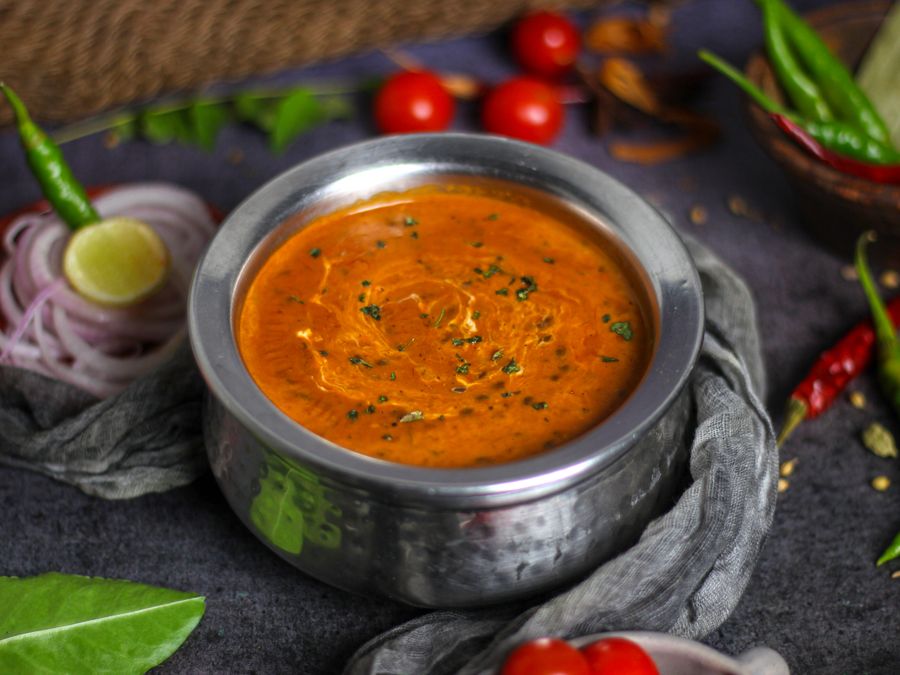
Chicken simmered in a spiced Greek yogurt-tomato sauce — 37g protein, lighter than cream curries. Serve on curry-craving nights over rice. Tip: temper the yogurt with hot sauce liquid before adding to prevent curdling.
High-Protein Cooking Tips
- Weigh your protein: 6–8 ounces of cooked lean meat lands you in the 35–45g protein zone per serving.
- Double up plant proteins: combine beans + grains or lentils + yogurt to build complete amino acid profiles.
- Don\’t fear the yolk: whole eggs deliver more protein and nutrients than whites alone — and taste better.
- Sauce smart: Greek yogurt, cottage cheese, and peanut butter add protein while replacing higher-fat ingredients.
- Prep proteins ahead: grill a batch of chicken or hard-boil eggs on Sunday for instant high-protein dinners all week.
Cheap High-Protein Staples to Keep Stocked
Eating high-protein doesn\’t have to be expensive — the cheapest proteins per gram are humble staples. Eggs (about 6g protein each for pennies) are the budget champion: hard-boil a dozen on Sunday for instant snacks and dinner add-ons. Dried lentils and beans deliver 12–18g protein per cooked cup for under a dollar per serving, plus fiber that keeps you full for hours. Canned tuna packs 25g+ protein per can; cottage cheese and Greek yogurt offer 14–20g per serving at modest prices, especially store brands.
For meats, chicken thighs cost significantly less than breasts with more flavor and forgiveness, pork tenderloin is the leanest budget-friendly red meat, and frozen fish fillets (tilapia, pollock, swai) go on sale regularly. Tofu remains one of the cheapest complete proteins available. Buy family packs and freeze portions, watch for sales on chicken breast to stock the freezer, and remember that frozen vegetables match fresh nutritionally at a fraction of the cost.
The pantry protein boosters — peanut butter, oats, quinoa, nuts, and seeds — stretch every meal\’s protein content for little money. A scoop of peanut butter in oatmeal, hemp seeds on salads, and a handful of almonds as a snack quietly add 10–15g protein to your day without a second thought.
Sample 7-Day High-Protein Dinner Plan
Here\’s how the recipes above combine into a balanced week of 30g+ protein dinners: Monday — Greek chicken bowls (38g). Tuesday — shrimp tacos with slaw (32g). Wednesday — turkey chili with Greek yogurt topping (35g). Thursday — miso glazed cod with quinoa (34g). Friday — beef stir-fry with vegetables (34g). Saturday — chicken shawarma bowls (36g). Sunday — lentil dal with jammy eggs (30g, vegetarian).
Notice the rotation principles: no protein repeats two days in a row, a mix of land and sea, one vegetarian night, and cuisines spanning Greek, Mexican, Asian, Indian, and Middle Eastern so the week never feels repetitive. Prep overlaps make it practical: grill all the week\’s chicken on Sunday, cook a big batch of quinoa and rice, chop stir-fry vegetables ahead. Each night\’s active cooking drops to 15–20 minutes.
Adjust portions to your needs — larger athletes can add an extra egg, more chicken, or a side of cottage cheese; smaller appetites can scale down the starch while keeping protein constant. The goal is consistency, not perfection: hitting 25–40g protein at dinner most nights beats a perfect week followed by burnout.
High-Protein Snacks to Round Out Your Day
Dinner is only one meal — protein pacing across the day (25–40g per meal plus smart snacks) builds more muscle and controls hunger better than one giant protein dinner. These snacks each deliver 10–20g protein: Greek yogurt with nuts (20g) — the gold standard; cottage cheese with pineapple (14g); two hard-boiled eggs (12g); tuna on whole-grain crackers (18g); edamame with sea salt (17g per cup); protein smoothie (25g — blend powder, frozen berries, spinach, and milk); turkey and cheese roll-ups (15g); roasted chickpeas (10g plus fiber).
Pre- and post-workout nutrition deserves attention: eat a protein-plus-carb snack (banana with peanut butter, chocolate milk, yogurt with granola) 1–2 hours before training, and get 20–40g protein within 2 hours after. Chocolate milk is genuinely one of the best-studied recovery drinks — protein, carbs, and hydration in one. Casein before bed (cottage cheese or Greek yogurt) provides slow-release protein overnight, which research links to better muscle recovery.
Prep snacks like meals: portion nuts into bags, boil eggs weekly, keep single-serve Greek yogurts stocked, and stash protein bars (15g+ protein, under 250 calories) in your bag and desk. The people who hit their protein targets aren\’t more disciplined — they\’re more prepared. When the 3 p.m. hunger hits, the protein snack that\’s already in your fridge beats the vending machine every time, and it keeps dinner from becoming a ravenous overeating event.
Quick Protein Math Cheat Sheet
Memorize these protein benchmarks and you\’ll never wonder about portions again: one palm-sized serving (about 4 ounces cooked) of chicken breast delivers roughly 26g protein; the same of salmon about 25g; lean ground beef or turkey about 22g; a cup of cooked lentils 18g; a cup of Greek yogurt 20g; two eggs 12g; a cup of edamame 17g; a cup of cottage cheese 28g; a can of tuna 25g; a cup of tofu 20g. The hand method beats scales for daily life: a palm of protein, a fist of vegetables, a cupped hand of carbs, a thumb of fats — a balanced high-protein plate with zero measuring.
Daily targets simplified: most adults need 0.7–1g protein per pound of body weight daily (a 150-pound person: roughly 105–150g). Spread across three meals plus one snack, that\’s 25–40g per meal — exactly what the dinners above deliver. Track for one week with any free app to calibrate your instincts, then eat intuitively. Most people who switch to protein-anchored dinners report steadier energy, fewer cravings, and better workout recovery within two weeks — the math works because the meals are genuinely satisfying, not restrictive.
Frequently Asked Questions
How much protein should dinner have?
Aim for 25–40 grams of protein at dinner, depending on your size and activity level. That\’s about 6 ounces of chicken breast, a 6-ounce salmon fillet, or a plant-based combination like lentils plus Greek yogurt for vegetarian eaters. Spread protein across the day rather than loading it all at dinner.
What is the highest-protein meat for dinner?
Chicken breast and turkey breast lead at about 26g protein per 3.5 ounces cooked, followed closely by tuna, lean beef, and pork tenderloin. Salmon offers slightly less protein but adds valuable heart-healthy omega-3 fatty acids. All are excellent choices for a protein-focused dinner.
Can I get 30g of protein without meat?
Easily. Combine lentils or chickpeas with quinoa, add Greek yogurt or cottage cheese, or build around tofu and tempeh. A bowl of red lentil dal with two eggs, or a tofu stir-fry with edamame rice, both clear 30g comfortably. Both options clear thirty grams comfortably and taste great.
Does high-protein mean low-carb?
Not at all. The recipes here pair lean proteins with smart carbs like quinoa, brown rice, sweet potatoes, and beans. Carbohydrates fuel workouts and recovery — the goal is balanced, satisfying plates, not carb elimination. Balance beats restriction for sustainable healthy eating.
What\’s a good high-protein dinner after a workout?
Prioritize fast-digesting protein plus carbs to replenish glycogen: grilled chicken with rice, salmon with sweet potato, or a turkey stir-fry all work beautifully. Eat within 2 hours of training for optimal muscle protein synthesis. Consistency matters more than perfect nutrient timing.
Are protein powders okay in dinner recipes?
Unflavored protein powder can blend into sauces, soups, and even meatballs, but whole-food proteins taste better and keep you fuller. Use powders as a backup, not the foundation — real chicken, fish, eggs, and legumes win on flavor and satiety.
