
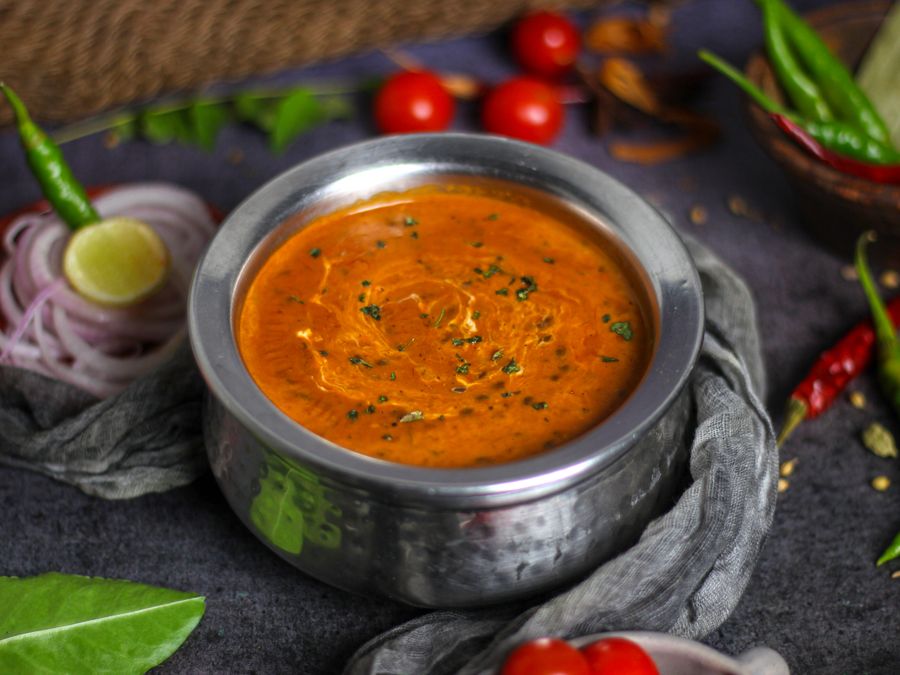
Learning how to make dark roux for gumbo comes down to patience and constant motion: whisk equal parts flour and fat in a heavy skillet over medium-low heat, stirring continuously for 30 to 45 minutes, until the mixture reaches the color of dark chocolate or an old copper penny. Keep the heat moderate, never walk away, and pull it just before you think it is done, since it keeps darkening off the heat.
Dark roux is the soul of gumbo, the cooked mixture of flour and fat that thickens the stew while contributing deep, nutty, almost coffee-like flavor no shortcut can replicate. It is also famously intimidating, with a reputation for burning in an instant. This guide explains how to make dark roux for gumbo without burning it, the color stages to watch for, which fats work best, and the hands-off oven method for nervous beginners.
What Roux Is and Why Gumbo Needs It Dark
Roux is simply flour cooked in fat, and its color determines its character. White roux cooks just minutes, thickens powerfully, and tastes of little but flour; it belongs in béchamel and cream soups. Blond roux cooks to a peanut-butter color with gentle nuttiness, ideal for velouté. Brown and dark roux cook far longer, developing intense roasted flavor while losing thickening power as the flour\’s starches break down.
Gumbo demands dark roux because the roux is a flavor ingredient, not just a thickener. A chocolate-colored roux contributes the deep, earthy, nutty backbone that defines the dish; a pale roux makes a pale-tasting gumbo no matter how good the sausage and okra are. Cajun cooks describe the target color as \”dark chocolate,\” \”old penny,\” or \”the color of a well-worn leather boot,\” all pointing to the same deep brown.
The trade-off is real: dark roux thickens roughly half as well as white roux, which is why gumbo also relies on okra or filé powder for body. Understanding this trade-off frees you to chase color confidently instead of worrying that a darker roux is somehow wrong.
Choosing Fat for Your Roux
Traditional Louisiana roux uses rendered pork lard or bacon drippings for unmatched flavor, and many Cajun cooks insist nothing else tastes right. Neutral oil (vegetable, canola, or peanut) is the modern standard: flavorless, high-smoke-point, and the easiest to control, which is why most recipes recommend it for beginners. Butter makes a delicious roux but its milk solids brown and can burn over the long cook; clarified butter or ghee solves this.
Duck fat is a luxurious option for seafood gumbo, adding silky richness. Whatever you choose, use exactly equal parts by volume, typically 1 cup of fat to 1 cup of flour for a large gumbo pot. Measure rather than eyeballing; the ratio affects both browning behavior and final thickness.
How to Make Dark Roux for Gumbo: The Stovetop Method
Step 1: Heat the Fat First
Pour the fat into a heavy skillet, Dutch oven, or cast iron pan over medium heat. Cast iron is traditional and ideal because its even heat prevents hot spots. Warm the fat until it shimmers and flows easily, but do not let it smoke; smoking fat is already breaking down and will scorch the flour.
Step 2: Whisk in the Flour
Add all the flour at once and whisk immediately into a smooth, thick paste. Work out every lump in the first minute, because lumps incorporated now never fully dissolve later. The mixture will look like wet sand and smell faintly of raw flour; that changes soon.
Step 3: Settle Into the Stir
Reduce heat to medium-low and stir continuously with a flat-edged wooden spoon or heatproof spatula, scraping the entire pan bottom and corners. This is the long haul: 30 to 45 minutes of steady stirring. Put on music or a podcast. The roux moves through distinct color stages, and your job is to keep it moving so no spot overheats.
Step 4: Watch the Color Stages
The roux progresses from white to blond (peanut butter, ~10 minutes) to brown (like a paper bag, ~20 minutes) to dark brown (milk chocolate, ~30 minutes) to dark chocolate (~40+ minutes). The aroma shifts from raw flour to popcorn to roasted nuts to deep coffee-chocolate. For gumbo, target the dark chocolate stage: very dark brown, intensely nutty-smelling, but not black.
Step 5: Stop Before It Is Perfect
Pull the roux just before it reaches your target color, because carryover heat keeps darkening it for several minutes. Immediately add your diced onion, bell pepper, and celery (the Cajun \”holy trinity\”); their moisture and cool mass halt the browning instantly while beginning the gumbo\’s aromatic base. This is the classic two-birds technique of Louisiana cooking.
Roux Color Stages at a Glance
| Stage | Color | Time (approx) | Thickening Power | Use |
|---|---|---|---|---|
| White | Pale cream | 3–5 min | Maximum | Béchamel, cream soups |
| Blond | Peanut butter | 8–12 min | Strong | Velouté, gravies |
| Brown | Paper bag / caramel | 18–25 min | Moderate | Brown gravies, étouffée |
| Dark brown | Milk chocolate | 28–38 min | Reduced | Rich gumbos |
| Dark (gumbo) | Dark chocolate | 35–50 min | Low | Classic Cajun gumbo |
The Oven Method: Nearly Hands-Off Dark Roux
If 45 minutes of stirring sounds punishing, the oven method delivers excellent dark roux with a fraction of the effort. Whisk equal parts flour and oil in a Dutch oven, place uncovered in a 350°F (175°C) oven, and stir every 20 to 30 minutes. In 1.5 to 2 hours, the roux reaches dark chocolate color with even, gentle heat that virtually cannot burn.
The oven roux tastes marginally less complex than a stovetop roux to sensitive palates, because the lower, slower heat develops slightly different browning compounds, but the difference is small and the convenience is enormous. Many excellent Louisiana home cooks use the oven method exclusively. It is also the safest way to make large batches.
How to Tell Burnt From Dark (and What to Do)
Dark roux smells like roasted nuts, coffee, and chocolate. Burnt roux smells acrid and sharp, like scorched popcorn, and tastes bitter even in a tiny sample. Visually, dark roux is deep brown and glossy; burnt roux has black flecks or an overall blackish cast.
There is no rescue for burnt roux. Bitterness permeates the entire batch and will ruin the gumbo. Throw it out, wipe the pan, and start over; every Cajun cook has done this at least once, and the ingredients cost little. The painful lesson teaches heat management better than any article. To avoid it: moderate heat, constant stirring, a heavy pan, and stopping one shade before your target.
Using Your Roux in Gumbo
Once the trinity has softened in the finished roux (5 to 8 minutes), add garlic, then pour in warm stock gradually, whisking to dissolve the roux smoothly. Cold stock can seize the roux into lumps; warm stock incorporates cleanly. Add sausage, chicken, or seafood per your recipe, plus bay leaves and thyme, and simmer 45 minutes to 2 hours.
Finish with okra (a traditional thickener that also adds body) or filé powder stirred in off the heat at the table; never boil gumbo after adding filé, which turns stringy. Serve over rice with hot sauce and sliced scallions. A proper dark-roux gumbo needs little else to be magnificent.
Cajun vs. Creole Gumbo: How the Roux Differs
Louisiana gumbo splits into two traditions, and roux color marks the divide. Cajun gumbo, from the rural southwest, typically uses a very dark, nearly chocolate roux, often made with oil or lard, and skips tomatoes entirely. The flavor is deep, smoky, and rustic, built on the dark roux plus the holy trinity and andouille sausage or chicken.
Creole gumbo, from New Orleans, often uses a lighter brown roux (peanut-butter to caramel color) and includes tomatoes, reflecting the city\’s Caribbean and European influences. Creole versions also lean more on seafood: shrimp, crab, and oysters. Neither is more authentic; they are regional siblings, and the roux darkness is the quickest visual tell of which tradition a cook follows.
Both traditions agree on the non-negotiables: the roux must be stirred, not rushed; the trinity goes in to stop the browning; and filé or okra provides the final thickening. Whichever style you cook, the dark-roux technique in this guide adapts easily, just pull the roux a shade or two earlier for Creole style.
Dry Roux: The Oil-Free Alternative
Some Cajun cooks make roux without any fat at all, toasting flour alone in a dry cast iron skillet or in the oven until it reaches the desired color. Dry roux eliminates the fat calories and the risk of a greasy gumbo, and it stores indefinitely at room temperature. The technique: spread flour in a heavy skillet over medium-low heat, stirring constantly for 20 to 40 minutes until it smells nutty and turns the color of peanut butter to milk chocolate.
Dry roux browns through the same Maillard reactions but behaves differently: without fat to conduct heat, it needs even more vigilant stirring to avoid scorching spots, and it thickens slightly less effectively than fat-based roux. To use it, whisk the toasted flour directly into your gumbo\’s liquid or bloom it briefly in a little oil before building the dish. It is an excellent option for lighter gumbo without sacrificing the deep roasted flavor.
Frequently Asked Questions
How long does it take to make dark roux?
On the stovetop over medium-low heat, 35 to 50 minutes of constant stirring to reach dark chocolate color. The oven method takes 1.5 to 2 hours at 350°F with stirring every 20 to 30 minutes. Rushing with higher heat risks burning; the time investment is what develops the deep, nutty flavor that defines gumbo.
What does burnt roux taste like?
Burnt roux tastes sharply bitter and acrid, with a scorched, unpleasant aftertaste that no amount of seasoning can mask. Dark roux, by contrast, tastes nutty, earthy, and almost chocolatey. If you taste bitterness in a sample, the batch is burnt and must be discarded; starting over is the only fix.
Can you make roux in advance?
Yes. Roux keeps 1 month refrigerated or 6 months frozen in an airtight container. Many Louisiana cooks make large batches and keep a jar in the fridge, which makes weeknight gumbo dramatically faster. Let refrigerated roux come to room temperature or warm it gently before whisking in stock to prevent lumps.
What is the best fat for gumbo roux?
Neutral oil like vegetable or peanut oil is the easiest and most foolproof, recommended for beginners. Traditionalists prefer lard or bacon drippings for deeper flavor. Butter works but can scorch over the long cook; use clarified butter or ghee instead. Duck fat is a luxurious choice for seafood gumbo.
Why did my roux seize into lumps?
Lumps usually come from adding cold liquid to hot roux or adding liquid too fast. Always whisk in warm stock gradually, letting each addition incorporate before adding more. If lumps form, vigorous whisking or a quick blitz with an immersion blender usually smooths them out before the other ingredients go in.
How dark should gumbo roux be?
Aim for the color of dark chocolate or an old copper penny: very dark brown but not black. This stage delivers maximum nutty, roasted flavor while retaining enough thickening power to contribute body. Lighter roux makes a lighter-tasting gumbo; black roux is burnt and must be discarded.
Can I make dark roux in the microwave?
It is possible but not recommended for dark roux. Microwaving flour and oil in short bursts with frequent stirring can produce blond to brown roux, but achieving even dark chocolate color without scorching spots is difficult and requires constant vigilance. The stovetop or oven methods give far more reliable results.
Can you make roux with cornstarch instead of flour?
Not as a true roux. Cornstarch lacks the proteins needed for Maillard browning, so it cannot develop the nutty, roasted flavor that defines gumbo roux; it only thickens. For gluten-free gumbo, use a dry-toasted gluten-free flour blend or rice flour as the roux base, which browns similarly to wheat flour and delivers authentic flavor.
