
Kid-friendly dinners for picky eaters don\’t have to mean plain buttered noodles on repeat: these 20 dinners use familiar flavors, fun formats, and sneaky-vegetable tricks to get kids excited about dinner. From crispy chicken tenders and mini pizzas to cheesy pastas and build-your-own taco bars, every recipe is designed to pass the toughest critics — children — while keeping parents sane.
Picky eating is developmentally normal, and the winning strategy is familiar + fun + low pressure: serve recognizable flavors in engaging formats (dippable, buildable, mini-sized), offer one safe food alongside one new food, and let kids customize. Every dinner below follows that playbook.
Feeding Picky Eaters Without the Battle
Deconstruct meals so kids control their plates — taco bars, pasta with sauce on the side, DIY pizzas. Keep flavors mild but not bland, cut foods into fun shapes or mini portions, and involve kids in cooking: children who help make dinner are dramatically more likely to eat it. Stay calm about rejected foods; repeated low-pressure exposure works better than any bribe.
1. Crispy Baked Chicken Tenders
Panko-crusted chicken tenders baked until golden, with honey mustard for dipping. Serve on any night — this is the universal kid pleaser. Tip: let kids do the breading station; messy hands make invested eaters.
2. Mini Pita Pizzas
Pita rounds topped with sauce, mozzarella, and kid-chosen toppings, baked 10 minutes. Serve on Friday pizza nights. Tip: set up a topping bar and let kids build their own — autonomy is magic.
3. Cheeseburger Pasta Skillet
Ground beef, pasta, and cheddar in a tangy tomato sauce — deconstructed cheeseburger in a bowl. Serve on weeknights when burgers feel like too much work. Tip: finely dice pickles on top for the full burger experience.
4. Chicken and Cheese Quesadillas
Flour tortillas filled with shredded chicken and melted cheese, crisped in a skillet. Serve on 15-minute nights with mild salsa. Tip: cook low and slow so the cheese fully melts before the tortilla over-browns.
5. Spaghetti and Hidden-Veggie Meatballs
Beef meatballs with finely grated zucchini and carrots, served over spaghetti. Serve on classic family nights. Tip: grate vegetables on the fine side of the box grater — they melt invisibly into the meat.
6. DIY Taco Bar
Seasoned ground beef or chicken with tortillas, cheese, lettuce, and mild toppings. Serve on Taco Tuesdays. Tip: the bar format lets picky eaters build exactly what they\’ll eat — no negotiations needed.
7. Mac and Cheese (Homemade)
Creamy stovetop mac with sharp cheddar and a buttery breadcrumb top. Serve on comfort-food nights. Tip: stir in puréed butternut squash — it disappears into the cheese sauce while adding nutrition.
8. Chicken Fried Rice
Diced chicken, peas, carrots, and egg wok-tossed with day-old rice. Serve on takeout-style nights. Tip: small-diced everything cooks fast and mixes evenly — no big scary vegetable pieces.
9. Mini Meatloaf Muffins
Individual meatloaves baked in a muffin tin with ketchup glaze, ready in 25 minutes. Serve on retro comfort nights. Tip: the muffin format cooks faster and the mini size is inherently kid-appealing.
10. Breakfast-for-Dinner Pancakes
Fluffy pancakes with scrambled eggs and fruit — brinner always wins. Serve on chaotic nights when dinner needs to be fun. Tip: add chocolate chips to half the batch for built-in excitement.
11. Crispy Fish Sticks (Homemade)
Panko-breaded white fish baked until crisp, with tartar sauce or ketchup. Serve on seafood-introduction nights. Tip: mild fish like cod or tilapia plus a crunchy coating converts fish skeptics.
12. Sloppy Joe Sliders
Sweet-savory sloppy joe meat on soft slider buns — mini size, maximum fun. Serve on casual family nights. Tip: finely diced bell pepper and onion disappear into the sauce while adding vegetables.
13. Cheese Tortellini with Butter Sauce
Cheese-filled tortellini tossed in brown butter and parmesan. Serve on 15-minute nights. Tip: the filled pasta feels fancy to kids while tasting comfortingly mild.
14. Chicken Pot Pie Turnovers
Flaky pastry pockets filled with creamy chicken and vegetables. Serve on cozy nights. Tip: use store-bought pie dough and rotisserie chicken for a 30-minute version.
15. Baked Chicken Nuggets
Bite-size chicken pieces in seasoned panko, baked until crispy. Serve on fast-food-craving nights, healthier. Tip: offer three dipping sauces — variety makes the meal an event.
16. Personal French Bread Pizzas
Split French bread loaves topped like pizza and baked. Serve on sleepover or movie nights. Tip: hollow the bread slightly so toppings sit neatly instead of sliding off.
17. Teriyaki Chicken Rice Bowls
Sweet teriyaki chicken over rice with edamame and carrots. Serve on Asian-flavor introduction nights. Tip: homemade teriyaki is less salty than bottled — kids prefer the milder version.
18. Grilled Cheese and Tomato Soup
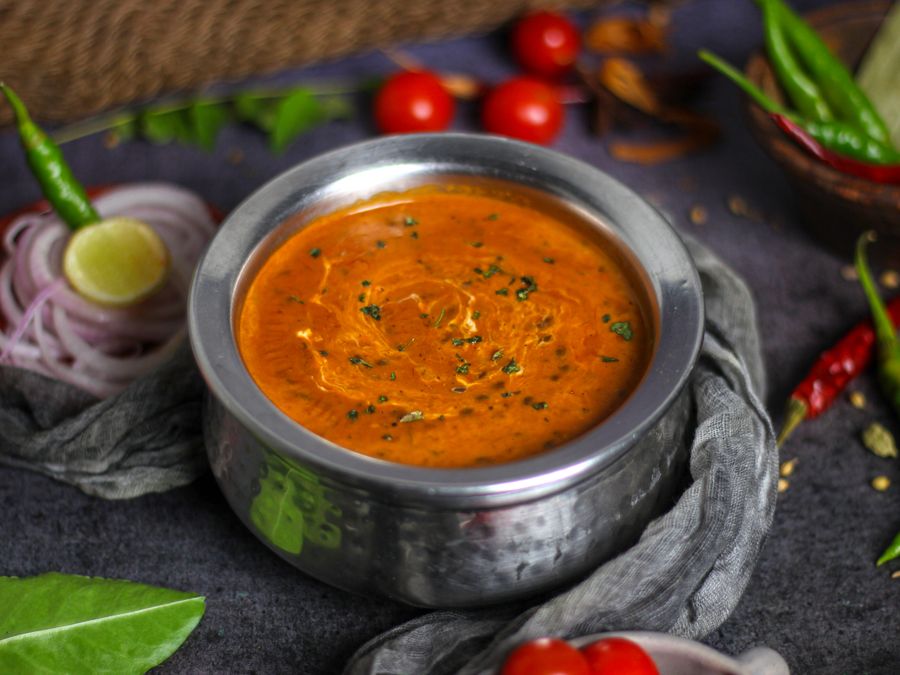
The iconic pairing: buttery grilled cheese dippers with creamy tomato soup. Serve on rainy-day comfort nights. Tip: cut sandwiches into strips for dunking — dippable food doubles kid approval.
19. Taco-Stuffed Sweet Potatoes
Baked sweet potatoes loaded with taco meat, cheese, and mild toppings. Serve on nutritious-but-fun nights. Tip: the sweet potato\’s natural sweetness wins over kids who reject regular potatoes.
20. Pasta with Hidden-Veggie Marinara
Marinara blended with roasted carrots, zucchini, and red peppers over any pasta shape. Serve on stealth-nutrition nights. Tip: roast the vegetables first for sweetness, then blend silky-smooth — no visible evidence.
Picky Eater Strategies That Work
- Deconstruct everything: serve components separately so kids control their plates without a separate \”kid meal.\”
- One safe food + one new food: always include something they\’ll eat alongside the experiment.
- Make it dippable: ketchup, ranch, honey mustard, and cheese sauce make almost anything approachable.
- Go mini: sliders, muffins, and bite-size portions are psychologically easier for cautious eaters.
- Cook together: kids who help chop, stir, or assemble are far more willing to taste the result.
Lunchbox Versions of These Dinners
Nearly every dinner above doubles as tomorrow\’s lunchbox, which is a superpower for busy parents. Chicken tenders and nuggets pack well cold or at room temperature with dipping sauces in leakproof containers. Quesadillas stay tasty at room temp — pack with salsa on the side. Pasta dishes (mac and cheese, tortellini, spaghetti) go into a thermos for a hot lunch that beats the cafeteria. Mini pizzas and French bread pizzas are excellent cold, like the pizza-night leftovers kids already love.
The thermos technique unlocks hot lunches: preheat the thermos with boiling water for 5 minutes, dump, add piping-hot food, and seal — it stays hot until noon. Bento-style packing works for deconstructed dinners: taco meat in one compartment, tortillas and toppings in others, letting kids assemble at school like they do at home. Invest in a quality lunchbox with compartments — it keeps foods separate (critical for picky eaters who reject touching foods) and makes packing faster.
Batch for both: when making tenders, meatballs, or pancakes, double the recipe deliberately — tonight\’s dinner becomes three lunchboxes with zero extra effort. Label and refrigerate portions immediately, and you\’ll thank yourself at 7 a.m.
Getting Kids to Help in the Kitchen
Children who cook eat better — it\’s the most reliable finding in picky-eater research. Match tasks to ages: toddlers (2–3) can wash vegetables, tear lettuce, and stir; preschoolers (4–5) can crack eggs (into a separate bowl first), measure ingredients, and assemble pizzas; early elementary (6–8) can chop soft foods with a kid-safe knife, read recipe steps, and flip pancakes with supervision; tweens (9–12) can handle the stove with guidance and follow simple recipes independently.
Start with assembly meals from this list — taco bars, mini pizzas, quesadillas — where kids\’ contributions are real and visible. Give them ownership of one dinner per week: they choose from 2–3 parent-approved options, help cook it, and serve it. The pride of \”I made this\” overcomes more pickiness than any stealth-vegetable trick.
Keep it fun, not perfect: expect mess, allow extra time, and praise effort over results. A dedicated kid step-stool at the counter and their own apron signal that the kitchen is their place too. The goal isn\’t efficiency — it\’s building a lifelong positive relationship with food, one messy taco night at a time.
Handling Allergies and Dietary Restrictions at Family Dinner
Modern family dinners navigate allergies, intolerances, and preferences — and the deconstructed approach in this roundup is already the solution. Gluten-free: swap in GF pasta, corn tortillas, and GF breadcrumbs (or crushed rice cereal) — the recipes adapt seamlessly. Dairy-free: nutritional yeast or dairy-free cheese in mac and cheese, coconut milk in creamy dishes, olive oil instead of butter for grilled cheese (with DF cheese). Egg-free: flax eggs work in meatballs and meatloaf; most breaded items work with a flour-water slurry instead of egg wash.
Nut allergies require label vigilance — many kid-friendly sauces and baked goods hide nuts. The \”safe base + toppings\” method handles mixed needs: a plain pasta, rice, or taco base that everyone can eat, with allergen-containing items (cheese, sauces, toppings) added individually. Nobody feels singled out, and the allergic child eats the same meal as everyone else — which matters enormously to kids.
Communicate with schools and caregivers about severe allergies, and teach age-appropriate self-advocacy early (\”I can\’t have peanuts — can you check?\”). For playdates and parties, send safe versions of the planned food so your child participates fully. And remember: preferences aren\’t allergies, but they\’re still respected at a kind table — the low-pressure approach that works for pickiness works for dietary differences too.
Weekly Family Menu Planning That Actually Works
The simplest system beats the perfect system: pick 5 dinners on Sunday, shop once, and stop deciding at 5 p.m. Theme nights remove decision fatigue entirely — Taco Tuesday, Pasta Wednesday, Breakfast-for-Dinner Thursday, Pizza Friday, Slow-Cooker Sunday — with Monday left flexible. Kids thrive on the predictability, and you only invent two or three new meals per week instead of seven.
Build a rotation of 15–20 family-approved dinners (this roundup is a perfect seed list) and cycle through them. New recipes get a two-try rule: served twice before being judged, since first reactions to new foods are unreliable. Keep a running list on the fridge — winners get a star, losers get retired without drama. Shop from the plan: write the week\’s menu, list ingredients grouped by store section, and buy only what\’s listed plus staples. Families who menu-plan consistently report spending less, wasting less food, and — most importantly — ending the nightly \”what\’s for dinner\” negotiation that drains everyone\’s patience.
Involve the kids in planning: each child picks one dinner per week from the approved rotation. Ownership increases eating compliance dramatically, and choosing from a parent-approved list keeps nutrition on track. Post the week\’s menu where everyone can see it — anticipation is half the fun, and \”I picked Thursday!\” is powerful motivation for a picky eater.
Frequently Asked Questions
How do I get my picky eater to try new foods?
Use repeated, low-pressure exposure: offer the new food alongside a safe favorite, 10–15 times over weeks, without forcing bites. Let kids see you enjoying it, involve them in cooking it, and praise any interaction — even touching or smelling counts as progress.
Should I make a separate meal for my picky eater?
Generally no — cooking a separate meal reinforces pickiness long-term. Instead, deconstruct family meals so everyone builds their own plate from shared components. Always include at least one food your child reliably eats, and let them decline the rest without drama.
What are good hidden-vegetable dinners?
Blend roasted vegetables into marinara, grate zucchini into meatballs, purée butternut squash into mac and cheese, and mix cauliflower into mashed potatoes. These stealth additions boost nutrition while you continue offering visible vegetables separately for long-term acceptance. Kids get nutrition while learning to love visible vegetables too.
At what age does picky eating improve?
Most children naturally expand their palates between ages 5 and 7 as food neophobia fades. Consistent exposure without pressure is the strongest predictor of improvement — the phase feels endless, but it does pass for the vast majority of kids.
Are dips and sauces okay for picky eaters?
Absolutely — dips are a legitimate bridge food, not a crutch. Ketchup, ranch, cheese sauce, and hummus make new foods approachable while adding their own nutrition. Most dietitians encourage dips as a practical tool for expanding what kids will try.
How can I add protein to kid-friendly dinners?
Lean on kid-approved proteins: chicken tenders, meatballs, eggs, cheese, Greek yogurt sauces, and nut butters. Blend cottage cheese into pasta sauces, use Greek yogurt in dips, and serve milk with dinner for easy, no-complaint extra protein. Protein at every dinner keeps kids full and growing strong.
