
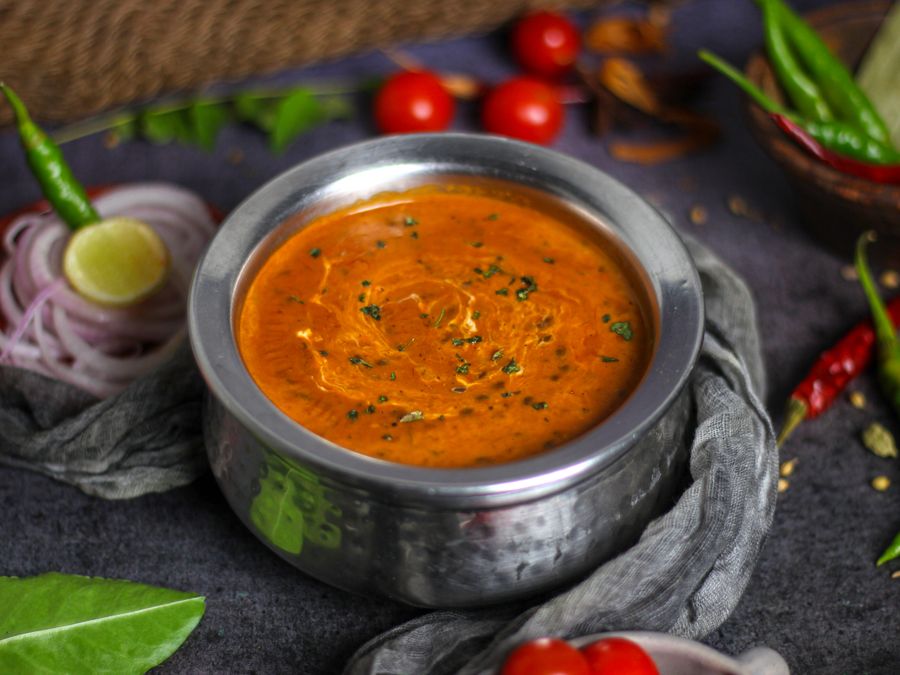
The biggest food trends 2026 share a common thread: cooks are going deeper instead of wider. Rather than chasing novelty for its own sake, this year\’s movements dig into regional specificity, fermentation science, and resourceful cooking — trends with real staying power that will genuinely improve your kitchen. From hyper-regional cuisines to the savory-baking boom, here are the 12 biggest food trends of 2026 worth your attention.
For each trend, we explain what it is, why it is catching fire now, and — most importantly — one concrete way to try it in your own kitchen this week. No hype without a recipe angle.
1. Hyper-Regional Cuisines Go Mainstream
The era of generic \”Italian night\” is fading. In 2026, curious cooks are exploring hyper-regional cooking: not Mexican food but Oaxacan; not Chinese but Sichuan or Yunnanese; not Italian but Sicilian or Puglian. Restaurants and cookbooks are naming specific towns and traditions, and home cooks are following with ingredients like tlayudas, cacio e pepe made the Roman way, and mapo tofu with proper doubanjiang.
Try it: Pick one region and cook three dishes from it in a month. Start with Oaxaca: tlayudas (crispy tortillas with refried beans and quesillo), mole negro from a quality paste, and agua de jamaica. Depth beats breadth — you will learn more from three Oaxacan dishes than from thirty random \”international\” recipes.
2. Savory Baking Takes Over
Sugar-fatigue is real, and bakers are responding with savory bakes: miso chocolate chip cookies, gochujang brownies, black pepper and parmesan shortbread, kimchi grilled cheese on homemade sourdough. The sweet-salty-umami interplay hits harder than pure sweetness, and savory bakes double as appetizers and snacks rather than just dessert.
Try it: Add one tablespoon of white miso to your favorite chocolate chip cookie dough (reduce the salt slightly). The miso adds caramel-like depth and a savory bass note that makes the chocolate taste more chocolatey. It is the single easiest upgrade in baking.
3. Home Fermentation Levels Up
Fermentation has moved past sourdough starter into koji, miso, garum, and lacto-fermented everything. Home cooks are growing koji on rice to make shio koji marinades (which tenderize meat miraculously), fermenting hot sauces for months instead of days, and making quick miso from chickpeas or lentils. The driver is flavor: fermentation creates umami and complexity no spice jar can match.
Try it: Start with lacto-fermented hot sauce — it needs only peppers, salt, and a jar. Chop peppers, salt at 2% by weight, pack into a jar, and wait 2–4 weeks, burping daily. The result is brighter, funkier, and more complex than any vinegar-based sauce.
4. Protein-Forward Everything
The protein obsession that started in fitness circles has conquered the mainstream kitchen. Cottage cheese — blended into pasta sauce, whipped into ice cream, baked into flatbread — is the unlikely mascot, joined by Greek yogurt marinades, edamame pasta, and high-protein breakfast bakes. The trend is less about macros and more about satiety: protein-rich meals keep you full for hours.
Try it: Blend cottage cheese with parmesan, garlic, and pasta water into a creamy high-protein Alfredo-style sauce. It sounds improbable; it tastes genuinely luxurious, with 20+ grams of protein per serving.
5. \”Swicy\” — Sweet Heat Everywhere
Sweet-plus-spicy (\”swicy\”) continues its march across menus and grocery aisles: hot honey on pizza and fried chicken, chamoy on fruit, gochujang caramel, chili-crisp ice cream. The combination works because sweetness tames heat while heat keeps sweetness from cloying — a balance humans find nearly irresistible.
Try it: Make hot honey at home: gently warm one cup of honey with two sliced Fresno chiles (or a teaspoon of chili flakes) for 10 minutes, then cool and strain. Drizzle over pizza, biscuits, or vanilla ice cream. It keeps for months and costs a fraction of the boutique bottles.
6. The Tinned Fish Renaissance
Conservas — high-quality tinned seafood from Spain and Portugal — have become a legitimate entertaining trend: tinned-fish boards with good bread, butter, and pickles are the new charcuterie. Beyond the aesthetics, tinned sardines, mackerel, and mussels are affordable, sustainable, shelf-stable protein rich in omega-3s.
Try it: Build a conservas board: two or three tins (sardines in olive oil, mussels in escabeche, tuna ventresca), crusty bread, salted butter, cornichons, and lemon. Open the tins at the table. It is the lowest-effort impressive appetizer in existence.
7. Root-to-Stem, Zero-Waste Cooking
With grocery prices still elevated, waste-free cooking has shifted from virtue signaling to kitchen common sense: broccoli stems shaved into slaw, carrot tops blended into pesto, stale bread becoming panzanella or breadcrumbs, chicken carcasses always becoming stock. The trend\’s appeal is economic as much as ethical — it stretches every dollar.
Try it: Keep a \”stock bag\” in your freezer for vegetable trimmings (onion ends, carrot peels, celery leaves, mushroom stems) and roast chicken carcasses. When full, simmer into stock. You will never buy boxed stock again, and the flavor is incomparably better.
8. Global Breakfasts
Breakfast is having a renaissance as cooks discover the world eats far more interesting morning food than cereal: shakshuka (eggs poached in spiced tomato sauce), congee (silky rice porridge with endless toppings), Japanese breakfast sets (grilled fish, rice, miso soup, tamagoyaki), chilaquiles, and menemen. These are savory, satisfying, and often more nutritious than sweet Western breakfasts.
Try it: Make congee this weekend: simmer one cup of jasmine rice in eight cups of water or stock for 90 minutes, stirring occasionally, until it breaks down into porridge. Top with soy sauce, sesame oil, scallions, a soft egg, and chili crisp. It is the ultimate comfort breakfast.
9. Seaweed and Ocean Vegetables
Kelp, dulse, nori, and sea moss are moving from sushi bars into everyday cooking: kelp noodles in place of pasta, dulse flakes as a smoky salt substitute, kombu in every pot of beans (it adds umami and reportedly aids digestibility). Sea vegetables are mineral-rich, deeply savory, and among the most sustainable foods on earth — farmed seaweed needs no freshwater, fertilizer, or land.
Try it: Add a strip of kombu to your next pot of beans, lentils, or stock; remove before serving. It contributes glutamates that make everything taste richer, with no seaweed flavor in the finished dish. Dulse flakes on popcorn are the gateway snack.
10. Retro Comfort Cooking
Nostalgia is a powerful flavor. Grandma-era cooking is back in force: pot roast, deviled eggs, ambrosia salad (ironically, then sincerely), fondue nights, proper rice pudding, and sheet-pan suppers. After years of precious plating, cooks are embracing generous, unfussy, feed-a-crowd food — often from vintage cookbooks and church cookbook classics.
Try it: Host a retro dinner party: deviled eggs, a slow-cooked pot roast with root vegetables, and a simple chocolate pudding. The food is forgiving, the portions generous, and the nostalgia does half the entertaining work for you.
11. Precision Home Cooking
Sous vide circulators, smart thermometers, and countertop precision ovens have made laboratory-grade control a home kitchen reality — and cooks are using it. Reverse-seared steaks at exact temperatures, 63-degree eggs with custardy whites, yogurt incubated at precise warmth: the trend is less about gadgets and more about repeatability, nailing the same perfect result every time.
Try it: You do not need new gear to start — a $30 instant-read thermometer is the highest-ROI tool in cooking. Cook chicken to 150°F (rested) instead of sawdust-dry 165°F straight, pull steak at 125°F for medium-rare, and taste what precision does. Temperature is the difference between good and great.
12. Botanical Sodas and Shrubs
As interest in lower-alcohol and no-alcohol drinking grows, the kitchen has answered with homemade shrubs (drinking vinegars), fermented sodas, and botanical syrups: strawberry-basil shrub with soda water, ginger bug sodas, rosemary-grapefruit syrup for spritzes. They deliver the complexity and ritual of a cocktail with none of the alcohol — and they are genuinely fun kitchen projects.
Try it: Make a shrub: combine equal parts fruit, sugar, and vinegar (apple cider or champagne vinegar), macerate 24–48 hours, strain, and mix 1 oz with sparkling water. Raspberry-thyme and peach-ginger are foolproof starting points. It keeps for months refrigerated.
How to Use Food Trends Without Chasing Hype
Trends are useful as inspiration, not obligation. The cooks who benefit most sample widely but commit selectively: try the miso cookie, keep the technique if it earns a place in your rotation, and ignore the rest without guilt. The twelve trends above share one quality worth filtering for — they all make food taste better or cooking more joyful, which is the only trend test that matters.
A practical approach: pick three trends per season to explore. This winter, that might mean fermenting one hot sauce, cooking one hyper-regional cuisine deeply, and building one conservas board for friends. By spring, you will have three new permanent skills — which is what trends are for.
Frequently Asked Questions
What is the biggest food trend of 2026?
The dominant shift is depth over novelty: hyper-regional cuisines, advanced home fermentation, and savory baking lead the year. Across all twelve major trends, the common thread is cooks investing in technique and specificity rather than chasing viral novelty — flavor-first movements with real staying power.
What flavors are trending in 2026?
Swicy (sweet heat like hot honey and chamoy), fermented funk (koji, miso, lacto-ferments), botanical notes (shrub vinegars, herbal sodas), and savory-sweet baking combinations (miso cookies, gochujang brownies). Across categories, umami-rich and tangy flavors are outperforming pure sweetness.
Is sourdough still trendy in 2026?
It has graduated from trend to staple. Home sourdough baking remains hugely popular, but the excitement has moved to what fermentation-curious bakers do next: koji, miso-making, and lacto-fermentation. Sourdough is now simply part of the well-equipped home baker\’s repertoire rather than a novelty.
What is conservas?
Conservas are high-quality tinned seafood — sardines, mussels, tuna, cockles — traditionally from Spain and Portugal, packed in excellent olive oil. The 2026 trend serves them as appetizer boards with bread, butter, and pickles. They are affordable, sustainable, shelf-stable, and rich in omega-3s.
What is a shrub drink?
A shrub is a drinking vinegar: fruit macerated with sugar and vinegar, then mixed with sparkling water (or cocktails). The vinegar adds tangy complexity that makes remarkable alcohol-free drinks. Fruit-herb combinations like raspberry-thyme or peach-ginger are classic starting points, and shrubs keep for months refrigerated.
Are food trends worth following?
As inspiration, yes; as obligation, no. The best approach is sampling trends that genuinely improve flavor or technique — fermentation, hyper-regional cooking, zero-waste methods — while ignoring pure novelty. Trends that teach you a permanent skill are worth your time; trends that just photograph well are not.
What is swicy food?
\”Swicy\” means sweet plus spicy: hot honey, chamoy, gochujang caramel, mango with chili salt. The combination balances heat with sweetness so neither cloys nor burns, creating a craveable contrast. It is one of 2026\’s defining flavor profiles across snacks, condiments, and desserts.
How do I start fermenting at home?
Start with lacto-fermented vegetables or hot sauce: vegetables, 2% salt by weight, a jar, and patience. It requires no special equipment and teaches the core principles. From there, graduate to kimchi, then to longer projects like miso or koji once you are comfortable with the basics.
What kitchen equipment do I need for 2026\’s trends?
Less than you would think: a kitchen scale (essential for fermentation), glass jars, an instant-read thermometer, and a sharp knife cover nearly every trend on this list. Fermentation weights and a mandoline help; everything else — koji incubators, precision ovens — is optional until a trend becomes a true hobby.
Will these trends still matter next year?
The technique-driven ones will: fermentation, hyper-regional cooking, and zero-waste methods build permanent skills, so they persist regardless of hype cycles. Pure novelty trends fade. A good rule: if a trend teaches you something you will use in ten years, it is not really a trend — it is an education.
The biggest food trends 2026 all point the same way: deeper flavor, smarter technique, and more joy in the kitchen. Pick three, cook them well, and let the hype become habit.
