
Affiliate Disclosure: As an Amazon Associate I earn from qualifying purchases.
n
Knowing how to choose the right pan material for cooking each dish is the skill behind every “why does the restaurant version taste better” mystery. Different metals behave profoundly differently: some sear ferociously, some respond to heat instantly, some release delicate foods effortlessly, and some go from stovetop to oven without complaint. No single material does everything well, which is why well-equipped kitchens own several. This guide maps the major pan materials to their strengths, gives you a dish-by-dish decision framework, and shows how to build a minimal, versatile pan collection without redundant purchases.
The Five Materials That Matter
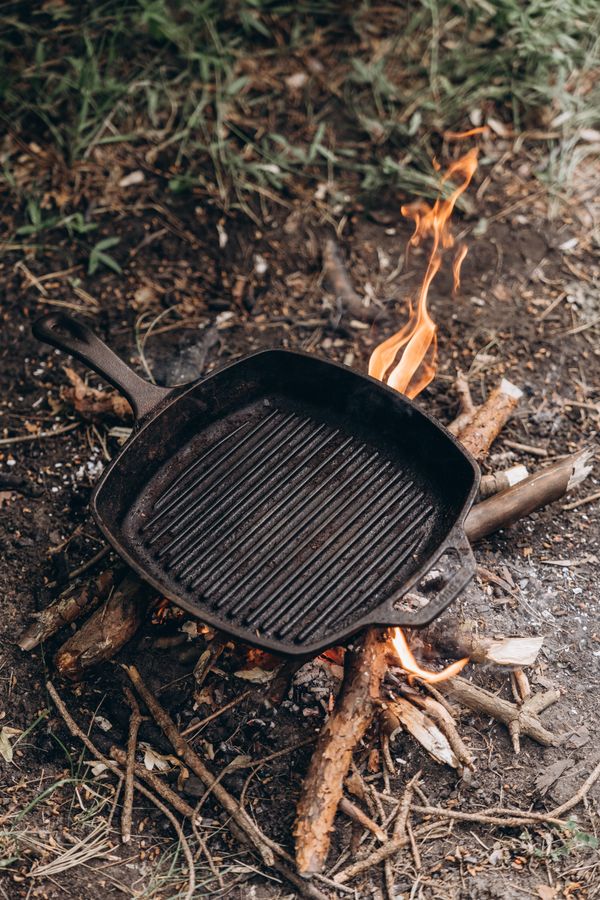
Home cookware comes down to five core materials, each with a distinct thermal personality. Cast iron offers unmatched heat retention and searing power, plus natural nonstick when seasoned — but it is heavy, slow to respond, and reactive with long acidic simmers. Carbon steel is cast iron’s lighter, more responsive cousin: excellent searing, great for woks and crêpes, with the same seasoning requirements. Stainless steel (clad) is the versatile workhorse — non-reactive, dishwasher-friendly, superb fond development for pan sauces, but genuinely sticky without proper technique. Copper (lined) provides the fastest heat response of all, ideal for sauces and sugar work, at a premium price with polishing upkeep. Nonstick (PTFE or ceramic) releases delicate foods effortlessly but cannot take high heat and wears out in a few years. Enameled cast iron deserves honorable mention as the braising champion. Everything else is a variation on these themes.
Material Properties at a Glance
| Material | Heat retention | Responsiveness | Best for | Watch out for |
|---|---|---|---|---|
| Cast iron | Excellent | Slow | Searing, frying, baking, grilling | Weight; acidic long simmers; needs seasoning |
| Carbon steel | Good | Good | Stir-fry, searing, eggs, crêpes | Needs seasoning; can rust; warps if shocked |
| Clad stainless | Good | Moderate | Pan sauces, sautéing, general cooking | Sticking without technique; pricier |
| Copper (lined) | Low | Excellent | Sauces, caramel, delicate proteins | Cost; tarnish; tin lining needs care |
| Nonstick | Poor | Fast (thin) | Eggs, pancakes, delicate fish | No high heat; 2–5 year lifespan |
| Enameled cast iron | Excellent | Slow | Braising, stews, bread, frying | Weight; chips; no thermal shock |
Dish-by-Dish: Which Pan to Grab
Steak and thick chops: Cast iron. Nothing else sustains the surface temperature for an edge-to-edge crust on thick cuts.
Pan sauces after searing: Clad stainless steel. It builds the best fond and deglazes beautifully; the sauce is the point.
Fried or scrambled eggs: Nonstick for foolproof results, or carbon steel / well-seasoned cast iron once your technique is solid. Stainless works with the water-drop method but demands attention.
Stir-fry: Carbon steel wok. The shape and responsiveness are purpose-built; nothing else comes close.
Delicate cream sauces and caramel: Copper or heavy stainless saucepans. Instant heat response prevents scorching and overshoot.
Long braises and stews: Enameled cast iron Dutch oven. Even, gentle heat for hours; no seasoning to worry about with acidic ingredients.
Tomato sauce simmered for hours: Enameled cast iron or stainless. Avoid bare cast iron and carbon steel for long acidic cooks, which strip seasoning and taste metallic.
Pancakes and crêpes: Nonstick or well-seasoned carbon steel crêpe pan. Release matters more than heat retention here.
Deep frying: Cast iron Dutch oven (bare or enameled). Thermal mass keeps oil temperature stable between batches.
Boiling pasta or blanching: Any large stainless stockpot. This job needs volume, not thermal finesse — do not waste premium pans on boiling water.
The Decision Framework: Four Questions
When facing a recipe, run through these four questions in order. 1. Does it need a hard sear? If yes, reach for cast iron or carbon steel — heat retention wins. 2. Does it need precise temperature control? Sauces, sugar, and delicate proteins favor copper or responsive stainless. 3. Will it stick? Eggs, pancakes, and delicate fish favor nonstick or well-seasoned carbon steel. 4. Is it acidic and long-cooked? Braises with wine or tomatoes belong in enameled cast iron or stainless, never bare iron. Most dishes answer clearly to one material; when two qualify, choose the one already in your rotation that you maintain best — a well-seasoned carbon steel pan you use daily outperforms a neglected copper saucepan.
Building a Minimal Versatile Collection
You do not need twelve pans. A five-piece core handles essentially all home cooking: a 12-inch cast iron skillet (searing, frying, baking), a 3-quart clad stainless sauté pan with lid (sauces, sautés, general cooking), a 5.5-quart enameled Dutch oven (braises, stews, bread, frying), a 10-inch nonstick skillet (eggs, delicate foods), and a carbon steel wok or large skillet (stir-fry, high-heat cooking). Add a large stainless stockpot for pasta and stocks. This collection covers every dish in the guide above with zero redundancy, and each piece earns its place weekly. Buy the best you can afford in the pieces you will use most — the skillet and Dutch oven first — since quality differences in heat retention and construction compound over decades of use. 12-inch pre-seasoned cast iron skillet Check Price on Amazon →
Matching Material to Heat Source
Your stove constrains the choice. Induction requires magnetic cookware — cast iron, carbon steel, and magnetic stainless all work; aluminum, copper, and some stainless do not (unless they have a magnetic base layer). Glass-top electric demands flat bottoms and rewards heavier pans that hold heat through element cycling. Gas is the most forgiving, working with everything including round-bottom woks and providing the instant adjustability that makes copper and carbon steel shine. Oven finishing favors oven-safe materials — cast iron, carbon steel, stainless, and enameled iron all transition seamlessly; nonstick with plastic handles does not. If you cook on induction, verify every purchase is induction-compatible before buying.
Common Material Mistakes
Searing in nonstick. The coating cannot take the heat and the thin aluminum cannot sustain temperature. This is the most common material error in home kitchens.
Long tomato braises in bare cast iron. Hours of acidity strip seasoning and impart metallic flavors. Enameled iron exists for exactly this job.
Delicate eggs in stainless as a beginner. It can be done, but learning on nonstick or carbon steel builds confidence faster. Graduate to stainless when the technique is solid.
Buying sets instead of pieces. Cookware sets bundle pieces you will never use with compromises in the pieces you will. Buy individual pans chosen for their jobs — it costs similar and performs far better.
One-pan-for-everything thinking. The cook who sears steak, simmers tomato sauce, and fries eggs in the same nonstick skillet gets mediocre results at all three. Materials are specialized tools; use them that way.
The Science of Heat: Conductivity, Retention, and Reactivity
Three physical properties determine how a pan material behaves, and understanding them makes every choice intuitive. Thermal conductivity measures how fast heat spreads through the metal — copper leads dramatically (~400 W/m·K), aluminum follows (~235), carbon steel and cast iron trail (~50–80), and stainless steel is the laggard (~16). High conductivity means even heating with no hot spots and instant response to burner changes. Heat retention (thermal mass) measures how much energy the pan stores — here mass wins, so heavy cast iron holds temperature through the shock of cold food while thin aluminum crashes. The ideal searing pan pairs decent conductivity with high mass; the ideal sauce pan pairs maximum conductivity with low mass for instant control. Reactivity describes chemical interaction with food — bare iron, carbon steel, aluminum, and copper react with acids, while stainless steel, enamel, and intact nonstick do not. This is why material choice is never about finding the “best” metal but about matching the property profile to the dish: searing wants retention, sauces want responsiveness, and acidic braises want non-reactivity.
Budget Roadmap: What to Buy First, Second, and Third
Build your collection in order of impact per dollar. First priority — the daily drivers: a 12-inch cast iron skillet and a 3-quart clad stainless sauté pan. These two handle 80 percent of stovetop cooking between them — searing, frying, sautéing, and pan sauces. Buy the best you can afford here; the cost-per-use over decades is pennies. Second priority — the specialists: a 5.5-quart enameled Dutch oven (braises, stews, bread, frying) and a 10-inch nonstick skillet (eggs and delicate foods). These unlock entire categories of cooking the first two handle poorly. Third priority — the enthusiasts’ tools: a carbon steel wok for stir-frying, a copper saucepan for sauce work, a large stainless stockpot for pasta and stocks. Buy these when specific cooking passions demand them, not before. This roadmap prevents the two classic mistakes: buying a cheap 12-piece set (where half the pieces gather dust and the important ones underperform) and buying premium specialists before owning the workhorses. A $60 cast iron skillet used 300 times a year is a better investment than a $300 copper pan used twice.
Care Cheat Sheet: Cleaning Each Material
Choosing the right material also means accepting its maintenance. Keep this quick reference on the fridge until the habits stick.
| Material | Daily cleaning | Utensils | Never do this |
|---|---|---|---|
| Cast iron (bare) | Hot water + brush, dry on heat, thin oil wipe | Any; metal is fine | Soak, dishwasher, long acidic simmers |
| Carbon steel | Hot water + brush, dry on heat, thin oil wipe | Any; wood/silicone kinder | Soak, dishwasher, air-dry |
| Clad stainless | Dish soap + sponge; BKF for polish | Any, including metal | Thermal shock, bleach |
| Copper (lined) | Hand wash, soft sponge, dry immediately | Wood/silicone for tin; any for stainless lining | Dishwasher, overheating empty (tin) |
| Nonstick | Hand wash, soft sponge only | Wood/silicone/nylon only | High heat, metal utensils, dishwasher |
| Enameled cast iron | Warm soak, soft sponge, towel dry | Wood/silicone preferred | Thermal shock, steel wool, metal scraping |
Notice the pattern: the highest-performance materials (cast iron, carbon steel, copper) demand the most attentive care, while stainless asks the least. This trade-off is worth internalizing when choosing — a material you will maintain properly always outperforms a “better” material you will neglect. Be honest about your habits: if you know you will never hand-dry a pan, lean stainless; if you enjoy the ritual of care, iron and copper reward you richly.
When to Break the Rules: Exceptions Worth Knowing
Every material guideline has edge cases where the “wrong” pan is the right choice. Searing a delicate piece of fish? Nonstick beats cast iron despite the sear rule, because a torn fillet is worse than a paler crust. Making a quick pan sauce after searing in cast iron? Deglaze right there instead of transferring to stainless — the fond is already perfect and one less pan to wash matters on weeknights. Cooking acidic tomato sauce in bare cast iron for 15 minutes? Totally fine — it is hours-long simmers that strip seasoning, not quick sauces. Using metal utensils in a nonstick pan? Never acceptable — some rules have no exceptions. The framework in this guide covers 95 percent of decisions; the remaining 5 percent comes from experience and understanding why each rule exists. Learn the principles (heat retention for searing, responsiveness for sauces, non-reactivity for acids), and you will know exactly when a situation calls for breaking the letter of the rule while honoring its spirit.
Frequently Asked Questions
What is the most versatile pan material?
Clad stainless steel is the best all-rounder — non-reactive, durable, good at searing and sauces, dishwasher-safe, and oven-safe. But “most versatile” is not “best at everything”: cast iron sears better, nonstick releases better, and copper responds faster.
Is cast iron or stainless steel better?
Neither is universally better — they excel at different jobs. Cast iron wins for high-heat searing, frying, and heat retention. Stainless wins for acidic foods, pan sauces, responsiveness, and low maintenance. Most well-equipped kitchens own both.
What pan material is healthiest?
All major cookware materials are safe when used as intended. Stainless steel, cast iron, carbon steel, and enameled iron are inert in normal use. Nonstick PTFE coatings are considered safe below 260°C (500°F). The “healthiest” choice is the one you use correctly.
Can I use metal utensils on stainless steel?
Yes — stainless steel is the material where metal utensils are fully welcome. It will not scratch meaningfully, which is one of its practical advantages over nonstick, enamel, and tin-lined copper.
What cookware works on induction?
Any magnetic material: cast iron, carbon steel, and magnetic stainless steel. Test with a fridge magnet — if it sticks firmly to the base, the pan works on induction. Pure aluminum and copper need a magnetic base layer.
Should I buy a cookware set or individual pieces?
Individual pieces, almost always. Sets include redundant or low-quality pieces to hit a price point, and the included sizes rarely match real cooking needs. Hand-pick each pan for its job and you will cook better for the same money.
