
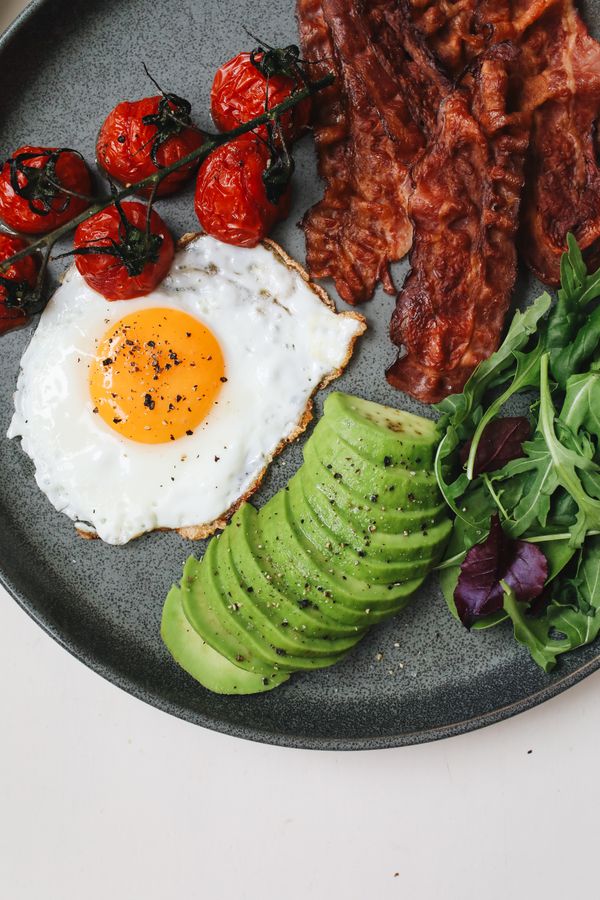
How to get into ketosis fast? Cut net carbs to 20 g or less, do a 16–24 hour fast, exercise to burn through glycogen, and load electrolytes from day one. Most people enter ketosis in 2–4 days with strict carb restriction alone; combining these strategies can shave that to as little as 24–48 hours. There\’s no magic shortcut — ketosis begins when liver glycogen runs out, so everything that speeds glycogen depletion speeds ketosis.
This guide covers 7 legitimate, evidence-backed ways to reach ketosis faster, how to tell it\’s working, and the gimmicks to ignore. A quick note: faster isn\’t always better — crashing in aggressively can intensify keto flu if you skip electrolytes. If you take diabetes or blood-pressure medication, talk to your doctor first, since ketosis and fasting can change your medication needs quickly.
First: What Has to Happen for Ketosis to Start
Your liver stores roughly 80–120 g of glycogen (stored glucose), and your muscles hold another 300–400 g. As long as liver glycogen lasts, your body burns glucose preferentially. Ketosis begins when liver glycogen depletes — typically after 12–48 hours of very low carb intake — prompting the liver to convert fatty acids into ketone bodies (acetoacetate, beta-hydroxybutyrate, and acetone) for fuel.
Every strategy below works through one of three levers: reducing glucose input (fewer carbs), increasing glucose output (exercise, which burns glycogen), or supplying ketone precursors (MCTs, which the liver converts to ketones rapidly). Stack compatible levers and the transition compresses dramatically.
Way 1: Drop to 20 g Net Carbs (or Lower)
The single most powerful lever. At 20 g of net carbs, liver glycogen depletes within 24–48 hours for most people. At 50 g, it can take 3–5 days; at 100 g, many never get there. For the fastest entry, go strict:
- Zero: all grains, sugar, fruit, starchy vegetables, legumes, and sugary drinks
- Count everything: sauces, dressings, nuts, dairy, and \”just a bite\” foods — hidden carbs are the #1 reason ketosis \”won\’t start\”
- Front-load vegetables, not carbs: 2–3 cups of leafy greens and above-ground veg still fit in 20 g while supplying potassium and magnesium
- Read labels on day one: sausage fillers, spice blends, and \”sugar-free\” products with maltitol are classic saboteurs
Stay at this strict level for the first week. You can relax slightly after confirmed ketosis, but the entry phase rewards ruthlessness.
Way 2: Try a 16–24 Hour Fast
Fasting is the fastest glycogen-depleter available — no incoming glucose means the liver burns through stores with nothing replacing them. A 16:8 fast (skip breakfast, eat lunch and dinner) is gentle; a full 24-hour fast (dinner to dinner) is the aggressive option that can push many people into measurable ketosis within a day.
Rules for a productive keto-entry fast:
- Hydrate with electrolytes — water plus salt, not plain water alone; fasting amplifies mineral losses
- Black coffee and plain tea are fine and actually help (caffeine mobilizes fatty acids)
- Break the fast with a proper keto meal — protein, fat, and low-carb veg, not a carb reward
- Don\’t stack fasting onto day-one keto flu if you feel awful; fast on day 2–3 once electrolytes are flowing, or wait until week two
- Skip extended fasts (48+ hours) as a beginner — the marginal ketone benefit doesn\’t justify the misery and muscle-loss risk
Way 3: Exercise to Burn Through Glycogen
Muscle contraction burns glycogen directly, and high-intensity exercise empties stores fastest. A hard workout the day you start keto can cut 12–24 hours off your transition:
- Best: 30–45 minutes of full-body resistance training or interval sprints — depletes both muscle and liver glycogen
- Good: a long Zone 2 session (brisk walk, easy cycling for 60–90 minutes) — burns mostly fat but still draws down glycogen
- Timing: training in a fasted state (morning before eating) compounds the effect with Way 2
- Caution: performance will feel terrible during the transition — that\’s expected, not a sign of failure. Reduce volume ~30% for the first two weeks
Exercise also improves insulin sensitivity, meaning the few carbs you do eat clear faster instead of lingering in the blood and delaying ketosis.
Way 4: Add MCT Oil or Coconut Oil Strategically
Medium-chain triglycerides (MCTs) bypass normal fat digestion and travel straight to the liver, where they\’re rapidly converted to ketones — raising blood ketones within an hour even before full adaptation. Coconut oil is ~60% MCTs; purified MCT oil (especially C8 caprylic acid) is more potent.
- Start with 1 teaspoon in coffee or a shake — more causes nausea and urgent bathroom trips in the unadapted
- Work up to 1 tablespoon over a week if tolerated
- Use it as a bridge: MCTs ease brain fog and energy dips during days 2–4 while your own ketone production ramps up
- Don\’t confuse ketone levels with fat loss: MCT-derived ketones are extra calories — useful for transition comfort, not a weight-loss accelerator
Way 5: Load Electrolytes From Hour One
Electrolytes don\’t directly create ketones, but they prevent the keto flu crash that makes people quit (or carb-relapse) before ketosis arrives. Someone who feels fine on day 3 stays the course; someone with a pounding headache eats toast. From the first morning:
- 1–2 cups of bouillon or bone broth daily
- Salt all food generously (3,000–5,000 mg sodium target)
- Avocado and leafy greens for potassium
- 200–400 mg magnesium glycinate in the evening
Think of electrolytes as protecting your transition rather than accelerating it — the fastest ketosis in the world doesn\’t help if you abandon the diet on day 4.
Way 6: Prioritize Protein and Don\’t Fear Fat (But Don\’t Force It)
Two nutritional fine points that smooth the transition:
- Eat enough protein (1.6 g/kg is a good transition target). Protein stabilizes blood sugar and blunts the cravings that derail strict carb limits. The old fear that protein blocks ketosis is overblown — gluconeogenesis is demand-driven.
- Eat fat to satiety, especially in week one. Hunger plus carb withdrawal is a brutal combination. Buttery vegetables, fatty cuts of meat, and olive oil keep you comfortable — and comfort keeps you compliant. Don\’t force extra fat beyond fullness; that\’s just extra calories.
- Cut alcohol entirely for the first two weeks. The liver prioritizes metabolizing alcohol over producing ketones, so drinking literally pauses ketone production for hours.
Way 7: Sleep 7–9 Hours and Manage Stress
The unglamorous lever. Poor sleep raises cortisol, which raises blood sugar, which slows glycogen depletion and intensifies cravings — one bad night can measurably delay ketosis. During transition week:
- Keep a consistent sleep schedule; magnesium in the evening helps
- Cut caffeine after noon — you\’re already running on adrenaline and change
- Walk daily; gentle movement lowers cortisol without the recovery cost of hard training
- Expect vivid dreams and restless nights for a few days — it\’s a common, temporary adaptation quirk
How to Know You\’ve Arrived: Testing Ketosis
| Method | What it measures | Cost | Accuracy | Best use |
|---|---|---|---|---|
| Urine strips | Acetoacetate in urine | Very cheap | Low — fades as body adapts | First 2–3 weeks only |
| Blood meter | Beta-hydroxybutyrate in blood | Meter cheap, strips pricey | High — the gold standard | Confirming ketosis, troubleshooting |
| Breath meter | Acetone in breath | Moderate one-time | Moderate | Trend tracking without strips |
| Symptoms | Hunger drop, steady energy, keto breath | Free | Moderate | Everyday confidence |
Nutritional ketosis = 0.5–3.0 mmol/L on a blood meter. Test in the morning before eating for consistency. And a warning: urine strips famously go pale after a few weeks even in deep ketosis (your body gets efficient at using ketones instead of spilling them) — don\’t panic-test your way into doubting a diet that\’s working.
What NOT to Do: Gimmicks That Waste Your Money
- \”Keto pills\” and raspberry ketones: no evidence they induce nutritional ketosis; raspberry ketones aren\’t even human ketone bodies
- Exogenous ketone esters/salts for \”instant ketosis\”: they raise blood ketones temporarily without the metabolic adaptation — expensive ketone theater that doesn\’t accelerate fat adaptation
- Fat fasts and egg fasts: extreme monotony protocols that risk nutrient gaps and rebound binges; a normal strict keto week works as well
- Cutting protein to \”deepen\” ketosis: sacrifices muscle for a slightly darker urine strip — a terrible trade
- Testing ketones 6 times a day: anxiety, not data. Test once daily at most during transition
The 48-Hour Ketosis Sprint: An Hour-by-Hour Template
Want it all in one protocol? Here\’s how the strategies combine across two days. (This is aggressive — skip it if you have any medical conditions, and don\’t attempt it in your first week without electrolytes on board.)
- Day 1, 7am: black coffee with 1 tsp MCT oil; 500 ml salted water. Morning fast begins (last night\’s dinner was your final meal).
- Day 1, 12pm: hard full-body workout or interval session, fasted. Salted water during training.
- Day 1, 2pm: break the ~18-hour fast with a strict keto meal — e.g., 3 eggs, avocado, spinach in butter. Under 5 g net carbs.
- Day 1, 6pm: second strict keto meal — salmon, broccoli, olive oil. Cup of bouillon. Magnesium before bed.
- Day 2, 7am: black coffee, salted water. Many people register light ketones on urine strips by now.
- Day 2, 12pm: 45-minute brisk walk or easy cardio, fasted. Continue electrolytes.
- Day 2, 2pm: break fast with another strict keto meal. Test blood ketones if you have a meter — 0.5+ mmol/L means you\’ve arrived.
- Day 2, evening: normal strict keto dinner. From here, maintain 20–30 g net carbs and let adaptation continue at its own pace.
Total: roughly 40 hours from last carb-heavy meal to measurable ketosis. Remember that fast entry ≠ full adaptation — your cells still need weeks to become efficient fat-burners. The sprint gets you through the door; consistency builds the house.
Frequently Asked Questions
What\’s the absolute fastest someone can reach ketosis?
With a 24-hour fast, hard glycogen-depleting exercise, and under 20 g net carbs, some people register blood ketones above 0.5 mmol/L within 24 hours. But 2–4 days is the realistic range for most — and full fat-adaptation still takes weeks regardless of how fast ketones appear.
Can I work out while trying to get into ketosis faster?
Yes — it\’s one of the best accelerators. Expect performance to feel 20–30% worse during transition; that\’s normal and temporary. Keep sessions shorter than usual and prioritize electrolytes around training.
Do I need to be in deep ketosis (dark purple strips) for fat loss?
No. Fat loss correlates with sustained calorie deficit and dietary adherence, not ketone concentration. Light ketosis (0.5–1.5 mmol/L) with consistent eating beats 3.0 mmol/L achieved through misery and quitting.
Why am I not in ketosis after a week of low carb?
Usual suspects: hidden carbs (sauces, nuts, dairy, \”keto\” treats with maltitol), too many total carbs despite \”eating keto,\” alcohol pausing ketone production, or inaccurate tracking. Weigh and log everything for 3 days — the culprit almost always appears.
Does MCT oil break a fast?
Technically yes — it contains calories (~120 per tablespoon). For a pure fast, skip it. For accelerating ketosis while eating keto, it\’s a useful tool. Decide which goal matters and act accordingly.
Can stress really keep me out of ketosis?
Chronic high cortisol raises blood glucose, which can blunt ketone production at the margins. It\’s rarely the sole cause of failed ketosis, but during transition week, protecting sleep and keeping stress down genuinely helps.
Should I test ketones during the first week?
Once daily at most, and don\’t over-interpret early readings — ketones ramp over days. Many successful keto dieters never test at all and judge by hunger, energy, and results. Testing is a troubleshooting tool, not a requirement.
How long until I feel the benefits of ketosis?
Appetite suppression often arrives within the first week; steadier energy typically follows in weeks 2–3; full exercise performance and mental clarity can take 4–8 weeks of consistent ketosis. Patience is part of the protocol.
Does a carb refeed help or hurt ketosis entry?
It hurts — every significant carb intake refills liver glycogen and restarts the depletion clock. \”Carb-loading to train harder, then keto harder\” sounds clever but just extends the transition. Pick one fuel system and commit for at least 3–4 weeks.
Can I speed up fat-adaptation, not just ketone appearance?
Partially. Consistent ketosis, regular Zone 2 cardio (which trains fat oxidation directly), and adequate protein all support adaptation. But enzymatic and mitochondrial changes take 4–8 weeks of sustained ketosis — no hack compresses biology that far. Patience is the final ingredient.
