
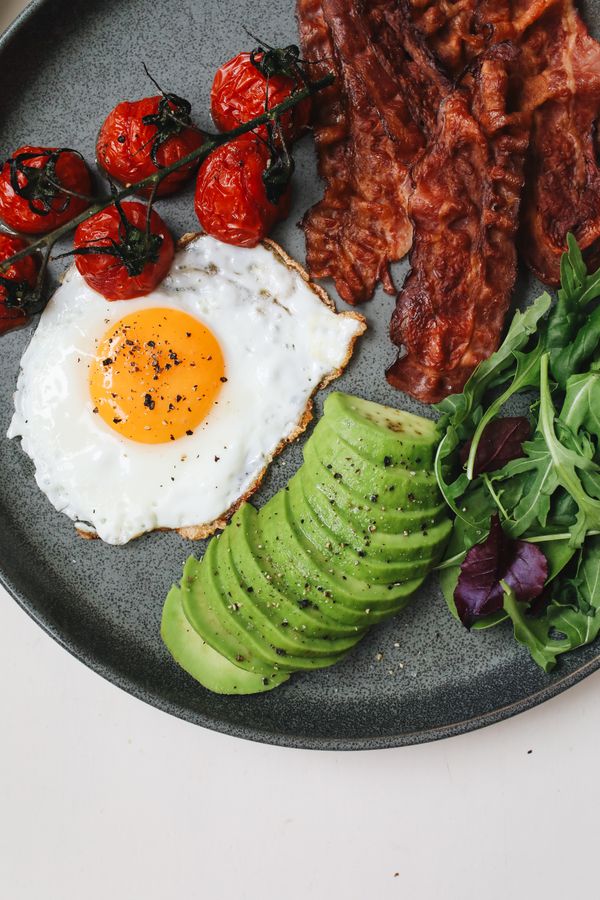
The keto flu remedies that work aren\’t exotic — they\’re electrolytes, water, and food. Keto flu (headache, fatigue, nausea, cramps, brain fog in your first week) is almost always caused by rapid sodium, potassium, and magnesium loss as insulin drops and your kidneys flush water. Replace those minerals aggressively and most people feel dramatically better within 24–48 hours.
This guide explains exactly why keto flu happens, the precise electrolyte targets that fix it, a day-by-day relief protocol, and how to prevent it entirely next time. Keto flu isn\’t a virus and isn\’t dangerous for most healthy people — but it is the #1 reason beginners quit, so take it seriously. If you have kidney disease, heart conditions, or take blood-pressure medication, talk to your doctor before supplementing electrolytes.
What the Keto Flu Actually Is (and Isn\’t)
Despite the name, keto flu has nothing to do with influenza. It\’s a cluster of electrolyte-imbalance and adaptation symptoms that typically appear 2–5 days after cutting carbs:
- Headache and dizziness
- Fatigue and weakness
- Nausea or queasiness
- Muscle cramps (especially legs at night)
- Irritability and brain fog
- Constipation or digestive changes
- Heart palpitations or a \”pounding\” feeling (usually benign, from low electrolytes — but get checked if it worries you)
- Sugar cravings and poor sleep
The mechanism is straightforward. Carbohydrates cause your body to retain water and sodium; each gram of stored glycogen holds ~3 g of water with it. Cut carbs and glycogen drains, taking liters of water and large amounts of sodium, potassium, and magnesium out through urine. Lower insulin also directly signals the kidneys to excrete more sodium. The result: dehydration plus mineral depletion at exactly the moment your brain is switching fuel systems. No wonder you feel awful.
Important reassurance: keto flu is temporary and preventable. It typically resolves in a few days to two weeks as your body adapts — and people who front-load electrolytes often skip it entirely.
The Core Fix: Electrolytes in the Right Amounts
Ninety percent of keto flu is an electrolyte problem, so this is the remedy that matters most. The daily targets most keto clinicians and experienced practitioners cite:
| Electrolyte | Daily target on keto | Why it drops | Best food sources |
|---|---|---|---|
| Sodium | 3,000–5,000 mg | Kidneys excrete more as insulin falls | Salt, bouillon, bone broth, pickles, olives, salted butter |
| Potassium | 1,000–3,500 mg | Lost with water and sodium | Avocado, spinach, salmon, mushrooms, broccoli |
| Magnesium | 300–500 mg | Lower intake + increased excretion | Pumpkin seeds, almonds, spinach, dark chocolate (85%+) |
To put sodium in perspective: 5,000 mg of sodium is about 2–2.5 teaspoons of table salt across the whole day — far more than the \”reduce salt\” advice you\’ve heard your whole life, but appropriate when your kidneys are dumping it. Don\’t fear salt on keto; under-salting is the classic beginner error.
The fastest relief recipe: salty broth
When symptoms hit, the quickest intervention is 1–2 cups of hot bouillon, bone broth, or simply water with ½ teaspoon of salt and a squeeze of lemon. Most people feel their headache ease within 30–60 minutes. Keep drinking it 2–3 times daily through the first two weeks. This single habit prevents more keto quits than any supplement on the market.
Your 3-Day Keto Flu Rescue Plan
Day 1: Stop the bleeding
- Drink a large mug of salty broth immediately, then another in the evening
- Salt every meal generously — don\’t measure daintily
- Eat an avocado (nearly 1,000 mg potassium) and a big serving of leafy greens
- Drink 2–3 liters of water with electrolytes, not plain water alone (plain water without salt can dilute sodium further)
- Take 200–400 mg magnesium glycinate or citrate before bed (also helps sleep and cramps)
- Eat enough — don\’t combine day-one keto with aggressive calorie restriction
Day 2: Rebuild
- Continue broth 2× daily; add a pinch of potassium salt (like LoSalt) to one mug if cramps persist
- Eat potassium-rich meals: salmon with spinach, mushroom omelets, broccoli with cheese
- Take it easy on exercise — walk, don\’t do intense training
- Get 7–9 hours of sleep; fatigue amplifies every symptom
Day 3: Stabilize
- Symptoms should be fading. Keep the electrolyte routine for the full first two weeks — this is where people relapse by quitting too early
- Resume normal activity gradually
- Start tracking whether you\’re hitting the mineral targets from food; supplement only the gaps
Remedy-by-Symptom Quick Reference
| Symptom | Most likely cause | Fastest remedy |
|---|---|---|
| Headache | Low sodium + dehydration | Salty broth + a full glass of water |
| Muscle cramps | Low magnesium/potassium | Magnesium supplement + avocado + stretch |
| Fatigue / weakness | Low sodium + undereating | Salt + a proper fatty meal (not just coffee) |
| Nausea | Too much fat too fast, or dehydration | Ginger tea, smaller meals, broth, water |
| Constipation | Low fiber + dehydration + low magnesium | Water, leafy greens, chia/flax, magnesium citrate |
| Heart racing | Low potassium/magnesium | Electrolytes + rest; see a doctor if persistent |
| Insomnia | Low magnesium, cortisol shifts | Magnesium glycinate before bed, no late caffeine |
| Brain fog | Adaptation + low sodium | Salt, MCT oil in coffee (start with 1 tsp), patience |
What About Exogenous Ketones and \”Keto\” Supplements?
You\’ll see ads claiming ketone salts or \”keto pills\” cure keto flu. The honest picture: exogenous ketones can temporarily raise blood ketones and may slightly ease transition symptoms, but they\’re expensive, often loaded with sodium (which is ironically doing half the work), and unnecessary. The electrolyte protocol above achieves the same relief for pennies. Save your money for good food and a food scale.
MCT oil deserves a nuanced mention: it converts to ketones quickly and can ease brain fog and energy dips, but start with 1 teaspoon — too much too fast causes nausea and disaster pants, which is the opposite of feeling better. Work up to a tablespoon over a week if you like it.
How to Prevent Keto Flu Entirely Next Time
Experienced keto dieters rarely get keto flu because prevention is simple:
- Start electrolytes on day one — broth, salted food, and magnesium from the very first day, before symptoms appear
- Ease in over 3–5 days if you\’re coming from a very high-carb diet: cut to ~100 g net carbs for a few days, then ~50 g, then ~25 g. The gentler ramp gives your kidneys time to adjust
- Don\’t fast in week one. Intermittent fasting is a great keto companion later, but stacking fasting onto carb withdrawal multiplies the electrolyte crash
- Eat at maintenance calories for the first week or two; add the deficit after adaptation
- Keep carbs consistently low rather than yo-yoing — every carb refeed restarts the water/mineral flush cycle
When Keto Flu Might Be Something Else
Most keto flu is benign, but don\’t ignore red flags. See a doctor promptly if you experience fainting, chest pain, severe or persistent heart palpitations, extreme dizziness, or symptoms lasting beyond 3–4 weeks despite proper electrolytes. People with diabetes (especially on insulin or sulfonylureas), kidney disease, or heart conditions should be medically supervised on keto from the start — electrolyte shifts that are trivial for healthy kidneys can be serious for compromised ones.
Supplements Worth Taking During the Transition
Food and salt cover most needs, but three supplements earn their place during the first month:
- Magnesium glycinate or citrate (200–400 mg in the evening). The highest-impact keto supplement, full stop. Addresses cramps, restless legs, constipation, and the sleep disruption that amplifies every other symptom. Glycinate is gentlest and best for sleep; citrate doubles as a constipation remedy. Avoid oxide — poor absorption makes it nearly useless.
- A quality salt — plus lite salt. Not a \”supplement\” exactly, but treat it like one: keep a salt shaker at your desk and use potassium-enriched lite salt in at least one daily drink or broth. This covers the two minerals (sodium, potassium) that pills handle poorly.
- Vitamin D3 (if you\’re deficient). Not keto-flu-specific, but deficiency is extremely common and worsens fatigue and mood — the exact symptoms you\’re trying to eliminate. If you don\’t know your status, 1,000–2,000 IU daily is a conservative maintenance dose; get tested for a precise answer.
What about everything else marketed to keto beginners — exogenous ketones, \”keto multivitamins,\” MCT powders, apple cider vinegar gummies? Save your money. None addresses the actual mechanism (mineral depletion), and the fancy packaging doesn\’t change that. The unglamorous trio above outperforms a $80 \”keto starter stack\” every time.
Keto Flu and Exercise: How to Train Through the Transition
Exercise during keto flu requires recalibration, not abandonment:
- Keep moving, lower intensity. Walking, easy cycling, and light mobility work actually help — they improve insulin sensitivity, boost mood, and speed glycogen depletion. What\’s counterproductive is insisting on your normal heavy sessions while depleted.
- Cut volume by ~30–50% for two weeks. Lighter weights, fewer sets, shorter runs. You\’re maintaining the habit and preserving muscle, not setting records.
- Electrolytes around training are non-negotiable. Drink salted water before and during sessions; the sweat losses stack on top of keto\’s baseline depletion.
- Skip fasted hard training until adaptation completes — low glycogen plus no incoming food plus hard effort is the recipe for a miserable bonk.
- Strength before cardio during transition: resistance training preserves muscle with less total energy demand than long endurance sessions.
Expect performance to rebound in weeks 3–6, often to levels that surprise people — steady fat-fueled energy without the bonk-and-refuel cycle of carb-dependent training.
Frequently Asked Questions
How long does keto flu last?
Typically 2–7 days, occasionally up to two weeks. With aggressive electrolytes from day one, many people experience only a day of mild symptoms or none at all. Symptoms persisting beyond 3–4 weeks usually indicate ongoing electrolyte or calorie deficits, not \”extended keto flu.\”
Can I take ibuprofen for keto flu headaches?
Yes, standard pain relievers are fine for symptom relief — but treat them as backup, not the plan. If broth and salt fix the headache within an hour, you\’ve confirmed the cause and the cure simultaneously.
Do I need special keto electrolyte products?
No. Table salt, potassium salt substitutes, magnesium capsules, and food cover everything. Commercial keto electrolyte powders are convenient but wildly overpriced for what is essentially flavored salt — check their labels and you\’ll see tiny mineral doses.
Why do I feel worse when I drink lots of water?
Because plain water without electrolytes dilutes your already-low sodium further. On keto, water and salt must go together — that\’s why broth beats water for symptom relief. Add a pinch of salt to your water bottle if plain water makes you feel off.
Can keto flu come back after months on keto?
Yes, usually after a trigger: heavy sweating (summer, intense exercise, sauna), illness with vomiting/diarrhea, a carb binge followed by re-entry, or fasting. The fix is the same — salt, potassium, magnesium — and veterans recognize it instantly.
Is it safe to exercise with keto flu?
Light movement like walking is fine and often helps. Skip intense training until symptoms resolve — your performance will be poor anyway, and heavy sweating worsens the electrolyte deficit causing the problem.
Will eating carbs make keto flu go away?
Technically yes — carbs refill glycogen and water, easing symptoms within hours. But it also resets your adaptation clock to zero. Unless you\’re truly miserable after several days of proper electrolytes, push through; you\’re usually closest to relief right before you\’d quit.
Does everyone get keto flu?
No. Estimates vary, but a large minority of beginners experience significant symptoms, many get mild ones, and plenty — especially those who salt aggressively from day one — feel fine throughout. Genetics, prior diet, and preparation all play roles.
Can keto flu strike without a drastic carb cut?
Yes — even dropping from 300 g to 100 g daily can trigger mild symptoms, since any significant glycogen depletion flushes water and minerals. The severity scales with the size of the cut, which is why a gradual 3–5 day ramp-down prevents symptoms for people coming from very high-carb diets.
Is broth or a commercial electrolyte drink better for keto flu?
Broth wins for most people: it delivers meaningful sodium (800–1,000 mg per cup), warmth that soothes nausea, and protein — for pennies. Most commercial electrolyte drinks contain trivial mineral doses plus sweeteners. Use broth as the workhorse and keep a zero-sugar electrolyte drink only for convenience.
