
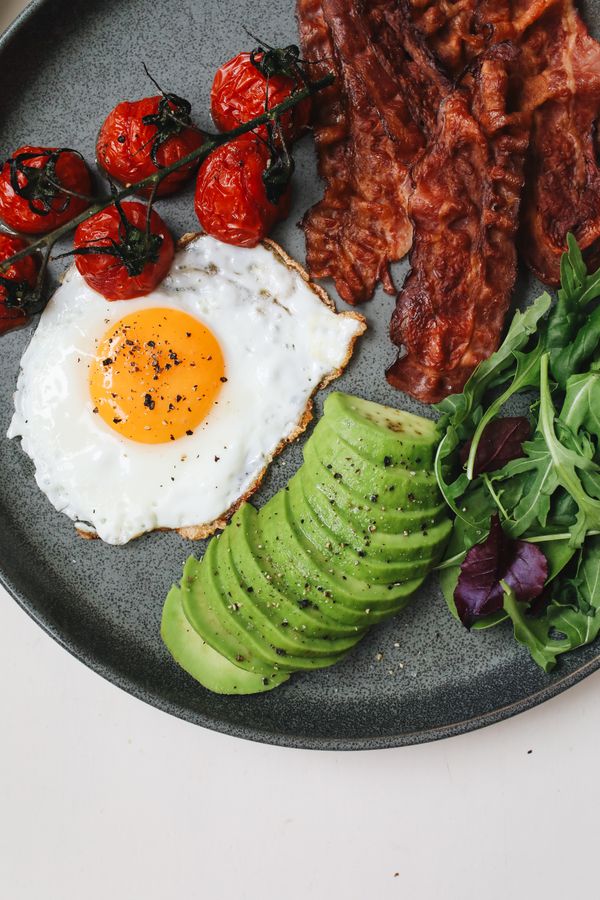
If you are choosing between the keto vs paleo diet in 2026, here is the short answer: keto wins for rapid fat loss and blood-sugar control because it keeps you in ketosis, while paleo wins for long-term sustainability, food variety, and gut-friendly whole foods. Both cut processed carbs and sugar, but they work through completely different metabolic pathways. This guide compares them head-to-head on macros, the science, cooking reality, and cost so you can pick the right one with confidence.
Quick Verdict: Keto vs Paleo at a Glance
Before the deep dive, here is the side-by-side snapshot most people actually need.
| Factor | Keto | Paleo |
|---|---|---|
| Primary mechanism | Nutritional ketosis (fat as main fuel) | Whole-food, ancestral eating (no mechanism target) |
| Typical macros | 70–75% fat, 20–25% protein, 5–10% carbs | No fixed macros; roughly 30–40% carbs from whole foods |
| Daily carb limit | 20–50 g net carbs | No hard limit; fruit, sweet potato, honey allowed |
| Dairy | Allowed (cheese, butter, cream) | Excluded (not \”paleolithic\”) |
| Legumes & grains | Excluded | Excluded |
| Ketosis required | Yes — the whole point | No |
| Best for | Fast fat loss, blood sugar control, epilepsy | Sustainable clean eating, digestion, food freedom |
| Difficulty (first month) | Hard — keto flu, tracking needed | Moderate — mostly habit change |
What the Keto Diet Actually Is
The ketogenic diet is a very-low-carbohydrate, high-fat eating pattern designed to shift your body from burning glucose to burning fat-derived ketones. When net carbs drop to roughly 20–50 grams per day, liver glycogen depletes within 24–72 hours, and the liver begins converting fatty acids into ketone bodies (beta-hydroxybutyrate, acetoacetate, and acetone) that fuel the brain, heart, and muscles.
Standard keto macros land around 70–75% of calories from fat, 20–25% from protein, and 5–10% from carbohydrates. That translates to generous portions of meat, eggs, fish, butter, olive oil, cheese, avocados, and low-carb vegetables, while bread, pasta, rice, sugar, most fruit, and starchy vegetables are off the table. Many keto cooks lean on specialty ingredients like almond flour, coconut flour, erythritol, and monk fruit to recreate baked goods without the carbs.
Keto was originally developed in the 1920s as a medical therapy for drug-resistant epilepsy, and it remains one of the few diets with genuine clinical roots. Modern interest exploded because of its effects on appetite suppression — ketones and higher protein intake blunt hunger hormones like ghrelin — which makes calorie reduction feel nearly automatic for many people.
What the Paleo Diet Actually Is
The paleo diet takes a different approach: instead of targeting a metabolic state, it targets food quality. The rule is simple — eat what (proponents argue) humans ate before agriculture: meat, fish, eggs, vegetables, fruit, nuts, seeds, and healthy fats. Out go grains, legumes, dairy, refined sugar, vegetable seed oils, and anything processed.
Unlike keto, paleo sets no macro targets and imposes no carb ceiling. A paleo eater might get 100–150 grams of carbs daily from sweet potatoes, fruit, and raw honey and still be fully \”compliant.\” Dairy is the flashpoint difference: paleo excludes it on the theory that adult humans did not evolve drinking milk, while keto embraces cheese and butter as convenient fat sources.
The paleo philosophy appeals to people who dislike counting anything. There are no ketone meters, no macro apps, no test strips — just a short list of foods to avoid. That simplicity is its greatest strength and, critics argue, its scientific weak point, since \”ancestral\” eating is hard to define precisely and the archaeological record shows ancient diets varied enormously by region.
Keto vs Paleo: Macros and Ketosis Compared
This is the fundamental divide. Keto is a metabolic strategy: carbs stay low enough that the body produces ketones, typically 0.5–3.0 mmol/L of blood beta-hydroxybutyrate. Every meal is built around that ceiling, which is why keto dieters track net carbs carefully, especially in the first months.
Paleo has no ketosis goal at all. A paleo dieter eating a big baked sweet potato with dinner is eating perfectly on-plan, while that same meal would knock a keto dieter out of ketosis for a day or more. This means paleo is far more forgiving socially and practically — restaurant meals, family dinners, and travel are all easier — but it also means paleo never delivers the appetite-suppressing, steady-energy effects that ketones provide.
Protein intake differs too. Keto is moderate-protein by design, because very high protein can modestly raise blood glucose through gluconeogenesis (though this is often overstated). Paleo tends to be naturally higher in protein since meat and eggs are unrestricted and there is no reason to moderate them. For active people and lifters, paleo\’s higher protein ceiling can be an advantage for muscle retention.
Weight Loss: What the Research Says in 2026
Head-to-head trials of keto versus paleo are rare, so we compare each against standard diets. Meta-analyses of randomized controlled trials consistently find that ketogenic diets produce greater short-term weight loss than low-fat diets at 6 months — typically 2–4 kg more — with the advantage narrowing by 12–24 months as adherence fades. The driver appears to be spontaneous calorie reduction from appetite suppression rather than any metabolic magic.
Paleo trials are fewer and smaller, but the pattern is similar: paleo outperforms standard dietary guidelines for weight loss and waist circumference in the short term, largely because eliminating processed food and refined carbs cuts calories without deliberate restriction. Neither diet has strong evidence of superiority at two years, which tells you the real story — the best diet is the one you can actually sustain.
For blood sugar, keto has the stronger evidence base. Multiple trials in people with type 2 diabetes show ketogenic diets lowering HbA1c and reducing diabetes medication needs more than moderate-carb approaches. Paleo also improves glycemic markers versus standard diets, but the effect size is generally smaller. Anyone with diabetes or prediabetes should discuss either approach with their doctor before starting, since medication doses often need adjustment as blood sugar falls.
Cooking and Kitchen Reality: Which Is Easier Day to Day?
Here is where the comparison gets practical for a food blog audience. Keto cooking has a steeper learning curve: you need to learn net-carb counting, read labels for hidden sugars, and master substitute ingredients (almond flour behaves nothing like wheat flour, and the first batch of keto bread humbles everyone). But once the pantry is stocked, keto cooking is deeply satisfying — cheese, butter, bacon, and creamy sauces are all fair game, and fat carries flavor beautifully.
Paleo cooking is closer to \”normal\” cooking minus a few categories. You can still roast a chicken with sweet potatoes, make fruit-based desserts with honey, and cook freely without a calculator. The pain points are different: no cheese on anything, no yogurt, no lentils or chickpeas (which frustrates many home cooks), and baking without grains or dairy takes real skill.
Meal prep favors keto slightly, because high-fat meals reheat well and stay satiating for hours. Paleo meal prep is fine too but leans on more frequent cooking since lean proteins and vegetables are less calorie-dense. For busy households, both benefit enormously from a weekly prep session: roast proteins, chop vegetables, and portion snacks every Sunday.
Cost Comparison: Keto vs Paleo Grocery Bills
Neither diet is cheap, but they cost money in different ways. Keto\’s big expenses are quality fats and proteins — grass-fed beef, wild salmon, avocados, macadamia nuts, and specialty items like almond flour ($8–12 per bag), MCT oil, and keto sweeteners. A keto pantry build-out can easily run $100+ before you cook a single meal.
Paleo spends more on produce volume and premium meats, plus pricey substitutes like coconut aminos, cassava flour, and grass-fed everything. Organic produce — strongly encouraged in paleo circles — inflates the bill further. In practice, most analyses put both diets 15–30% above a standard grocery bill, with keto slightly pricier due to specialty products and paleo slightly pricier on produce. Buying conventional produce, choosing cheaper cuts, and limiting specialty products keeps either diet reasonable.
Who Should Choose Keto?
Choose keto if your top goals are rapid fat loss, appetite control without constant hunger, or blood-sugar management (with medical supervision). Keto also suits people who love rich foods and do not mind tracking — if you find data motivating rather than oppressive, the ketone readings and macro targets give you a satisfying feedback loop.
Keto is less ideal if you hate tracking, eat out constantly, or find very-low-carb eating socially isolating. Endurance athletes and very active people sometimes struggle with keto adaptation, which can take 4–8 weeks of reduced performance before fat adaptation completes.
Who Should Choose Paleo?
Choose paleo if you want a sustainable, whole-foods lifestyle without counting anything, if dairy bothers you, or if you simply want to eat cleaner without a metabolic overhaul. Paleo works well for families because it is easier to cook one meal everyone eats — meat, vegetables, and potatoes need no special explanation at the dinner table.
Paleo is less ideal if you need the appetite suppression of ketosis to control portions, or if giving up cheese, yogurt, and legumes feels like too much sacrifice. Strict paleo can also drift high in natural sugars if fruit and honey are overused — \”paleo\” does not automatically mean low-calorie.
Final Verdict
For pure fat loss and metabolic health in 2026, keto has the stronger evidence and the sharper tool — ketosis is a measurable state that suppresses hunger and stabilizes blood sugar. But tools only work if you pick them up, and paleo wins on sustainability for most people because it demands less tracking, allows more food variety, and fits normal social eating.
The pragmatic move many people land on: start with keto for 8–12 weeks to break sugar dependence and drop initial weight, then transition to a paleo-style maintenance diet that keeps the whole-food habits without the carb ceiling. Whichever you choose, talk to your doctor first if you have diabetes, kidney issues, or take regular medication — both diets change how your body handles fuel, and that deserves professional guidance.
Can You Switch Between Keto and Paleo?
Absolutely, and many people do it strategically. A common successful pattern is keto first, paleo for maintenance: 8–12 weeks of strict keto breaks sugar dependence, drops initial weight, and teaches you what real hunger feels like; then transitioning to paleo keeps the whole-food habits while reintroducing sweet potatoes, fruit, and the social ease of normal eating.
To transition without rebound weight gain, add carbs back slowly — roughly 10–15 g of additional whole-food carbs per week — while keeping the keto habits that matter: no refined sugar, protein at every meal, and vegetables as the plate\’s foundation. Most people find their weight stabilizes 2–4 lbs above their keto low as glycogen and water return, which is normal physiology, not fat regain.
Going the other direction (paleo to keto) is simpler: cut the fruit, sweet potatoes, and honey, keep everything else, and add electrolyte supplementation from day one. Paleo eaters already avoid processed food, so the adaptation is mostly about the carb ceiling rather than a full dietary overhaul.
Frequently Asked Questions
Can you combine keto and paleo?
Yes — it is sometimes called \”paleo keto.\” You follow keto macros using only paleo-approved foods: no dairy, no processed keto products, just meat, fish, eggs, vegetables, nuts, and natural fats. It is one of the strictest approaches out there, but fans say it delivers keto\’s metabolic benefits with paleo\’s food quality.
Is paleo lower carb than keto?
No. Keto is dramatically lower in carbs by design (20–50 g net carbs daily), while paleo has no carb limit and often includes 100–150 g of carbs from fruit, sweet potatoes, and honey. Paleo is lower-carb than the standard Western diet, but it is not a ketogenic diet and will not produce ketosis.
Which diet is better for gut health?
Paleo generally has the edge for gut health because it includes a wider variety of plant fibers from fruit and starchy vegetables, which feed beneficial gut bacteria. Keto can support gut health too, but very-low-carb eating sometimes reduces fiber intake unless you deliberately eat plenty of low-carb vegetables, avocados, and nuts.
Do you lose weight faster on keto or paleo?
Most people lose weight faster on keto in the first 4–8 weeks, partly from water loss as glycogen depletes and partly from ketone-driven appetite suppression. Long-term studies show the gap narrowing significantly by 12 months. Sustainable adherence matters far more than the diet label for lasting results.
Is cheese allowed on paleo?
No — strict paleo excludes all dairy, including cheese, because dairy farming postdates the Paleolithic era. Keto, by contrast, embraces cheese as a staple fat and protein source. This single difference is a dealbreaker for many people choosing between the two diets.
Which is better for athletes: keto or paleo?
Paleo is usually the easier fit for athletes because it allows enough carbohydrate from whole-food sources to fuel training and recovery. Keto-adapted athletes can perform well in endurance sports after full fat adaptation (6–8 weeks), but high-intensity and explosive sports often suffer without readily available glycogen.
