
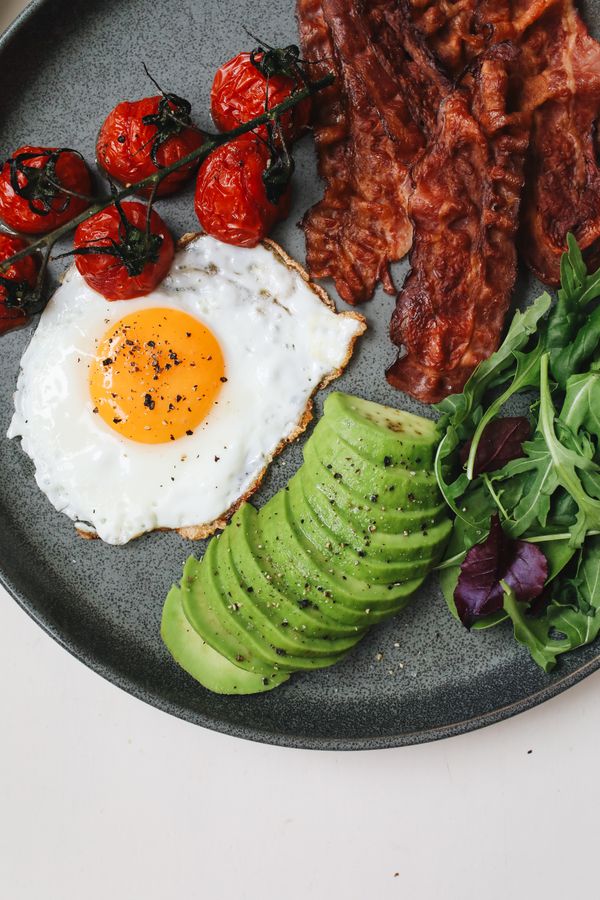
Learning how to start the keto diet comes down to one shift: cut your carbohydrate intake to roughly 20–50 grams of net carbs per day, eat moderate protein, and get the rest of your calories from fat. Within 2–4 days, your body runs low on glucose and starts converting fat into ketones — molecules your brain and muscles burn for fuel instead of sugar. That metabolic state is called ketosis, and reaching it is the entire point of keto.
This beginner\’s guide walks you through everything in order: what ketosis actually is, your starting macros, exactly what to eat and avoid, how to dodge the dreaded keto flu, and a realistic game plan for your first two weeks. No expensive products, no magic foods — just the fundamentals that make keto sustainable. As with any major dietary change, it\’s wise to talk to your doctor first, especially if you take medication for blood sugar or blood pressure.
What Is the Keto Diet, in Plain English?
Your body has two main fuel systems. Normally it burns glucose from carbohydrates — bread, rice, fruit, sugar — because glucose is fast and easy to access. The ketogenic diet deliberately restricts carbs so glucose runs out, forcing your liver to break down fat into ketone bodies (mainly beta-hydroxybutyrate, or BHB). Ketones cross into the brain and power it efficiently; many people report steadier energy and fewer cravings once adapted.
The standard keto macro split looks like this:
- 70–75% of calories from fat — olive oil, butter, avocado, nuts, fatty fish, eggs
- 20–25% from protein — meat, poultry, fish, eggs, cheese
- 5–10% from carbs — mostly above-ground vegetables, small amounts of berries
That carb slice translates to about 20–50 grams of net carbs daily for most people (net carbs = total carbs minus fiber minus certain sugar alcohols). Beginners usually aim for 20–30 g to enter ketosis reliably, then adjust upward once adapted.
How do you know you\’re in ketosis?
Three practical signs: your hunger drops noticeably, your energy stabilizes without afternoon crashes, and your breath or urine may smell faintly fruity or metallic (acetone, a ketone byproduct). For confirmation, urine test strips detect ketones cheaply in the first weeks, while blood ketone meters (measuring BHB) are the most accurate. Nutritional ketosis is generally defined as blood ketones of 0.5–3.0 mmol/L.
Step 1: Clear Your Kitchen of Temptations
Willpower is unreliable; environment beats it. Before day one, remove or box up the highest-carb foods: bread, pasta, rice, cereal, flour, sugar, honey, pastries, chips, crackers, candy, soda, juice, beer, and most sauces with added sugar. You don\’t have to throw food away — donate it or store it out of sight — but get it off your counters.
Then restock with keto staples so you\’re never stuck hungry with nothing compliant to eat. Your first shop should include eggs, butter, olive oil, avocados, leafy greens, cauliflower, zucchini, chicken thighs, ground beef, salmon or another fatty fish, full-fat cheese, heavy cream, nuts (macadamias, almonds, walnuts), and salt — plenty of salt, which matters more than beginners expect.
Step 2: Calculate Your Starting Macros
Generic macro ratios are a starting point, but your actual gram targets depend on your size, activity, and goals. The simple beginner formula:
- Carbs: 20–30 g net carbs per day (a fixed ceiling, not a goal to reach)
- Protein: roughly 1.2–2.0 g per kilogram of goal body weight daily (about 0.5–0.9 g per pound); active people and those preserving muscle aim toward the higher end
- Fat: fill your remaining calories after carbs and protein are set — fat is a lever for satiety, not a target to max out
For calories, a moderate deficit of 10–20% below maintenance supports fat loss; eating at maintenance works if your goal is metabolic health rather than weight loss. Track everything for the first 2–3 weeks with an app — most beginners underestimate carbs by a wide margin until they measure.
Step 3: Plan for Electrolytes Before Day One
This is the step almost every beginner skips, and it\’s the reason most people quit in week one. When insulin drops on keto, your kidneys excrete more sodium and water, dragging potassium and magnesium with them. The result is the \”keto flu\”: headache, fatigue, cramps, and irritability around days 2–5.
The fix is unglamorous but effective — daily targets commonly cited for keto dieters are around 3,000–5,000 mg of sodium, 1,000–3,500 mg of potassium, and 300–500 mg of magnesium from food plus supplementation as needed. Practical sources: salt your food generously, drink 1–2 cups of bouillon or bone broth daily, eat avocados and leafy greens for potassium, and consider magnesium glycinate or citrate in the evening. Start this on day one, not when symptoms appear.
Step 4: Build Simple Meals Around Protein + Fat + Low-Carb Veg
Forget complicated recipes at first. The beginner\’s plate formula is a palm-and-a-half of protein, 1–2 thumbs of added fat, and 1–2 cups of low-carb vegetables. Examples: scrambled eggs with spinach cooked in butter; chicken thighs with roasted broccoli in olive oil; ground beef taco bowls over shredded lettuce with cheese, sour cream, and avocado; salmon with asparagus and hollandaise.
Batch-cook two proteins and two vegetables on day one so the week runs on autopilot. Keep emergency foods on hand — hard-boiled eggs, cheese sticks, olives, macadamia nuts, canned tuna, pork rinds — for the moments hunger ambushes you. Hunger plus no plan is how carbs sneak back in.
What to Eat and What to Avoid
Eat freely
- Meats and poultry: beef, pork, lamb, chicken, turkey, bacon, sausage (check labels for fillers)
- Fish and seafood: salmon, sardines, mackerel, tuna, shrimp — fatty fish especially
- Eggs: one of the most complete keto foods; nearly zero carbs
- Healthy fats: olive oil, avocado oil, coconut oil, butter, ghee, tallow
- Low-carb vegetables: spinach, kale, arugula, broccoli, cauliflower, zucchini, asparagus, green beans, peppers, mushrooms, cucumbers, celery, lettuce
- Full-fat dairy: hard cheeses, cream cheese, heavy cream, full-fat Greek yogurt in moderation
- Nuts and seeds: macadamias, pecans, walnuts, almonds, chia, flax — portioned, since carbs add up
- Avocados and olives
- Berries in small portions: raspberries, blackberries, strawberries
Avoid or strictly limit
- Grains and starches: bread, pasta, rice, oats, corn, quinoa, cereal
- Sugar in all forms: table sugar, honey, maple syrup, agave, desserts, candy
- Starchy vegetables: potatoes, sweet potatoes, carrots in large amounts, peas, parsnips
- Most fruit: bananas, apples, grapes, mangoes, oranges — high in fructose
- Legumes: beans, lentils, chickpeas (small amounts may fit strict budgets, but they\’re carb-dense)
- Sugary drinks: soda, juice, sweetened coffee drinks, beer, sugary cocktails
- Low-fat and \”diet\” products: fat is usually replaced with sugar or starch
Your First Two Weeks: What to Expect
Days 1–3: Glycogen (stored carbohydrate) depletes. You may drop 1–3 kg quickly — mostly water bound to glycogen, not fat. Energy can dip. Salt and broth are your best friends.
Days 4–7: Ketone production ramps up. Hunger often decreases noticeably — this appetite suppression is one of keto\’s most-reported effects and a big reason people find it sustainable. Some notice the metallic \”keto breath\”; it fades as the body adapts.
Weeks 2–4: Many people feel energy return stronger than before, with fewer cravings and steadier focus. Workouts may still feel harder for a few weeks — full fat-adaptation for athletic performance typically takes 4–8 weeks, so lower training intensity temporarily rather than quitting.
5 Beginner Traps That Derail Keto
- Fearing fat and undereating. Keto without enough fat is just a miserable low-calorie diet. Eat until satisfied, especially in week one.
- Ignoring electrolytes. Covered above — this single factor causes most early quits.
- \”Keto\” junk food overload. Store-bought keto bars and treats are fine occasionally, but building the diet on them stalls progress and keeps sweet cravings alive.
- Protein paranoia. The old fear that \”too much protein kicks you out of ketosis\” is overstated for most people; gluconeogenesis is demand-driven, not supply-driven. Undereating protein costs you muscle — eat enough.
- Quitting at day 5. The adaptation dip is temporary. Judge keto after 3–4 consistent weeks, not during the transition.
How to Start Keto on a Budget
Keto has an unfair reputation as expensive. Specialty products are pricey, but the core diet isn\’t — eggs, ground meat, cabbage, and butter are among the cheapest foods in any supermarket. The budget strategy is simple: build meals around affordable proteins and skip the premium \”keto\” branded products entirely.
- Buy cheap protein in bulk: chicken thighs and drumsticks, ground beef, pork shoulder, eggs (often the cheapest protein per gram), canned tuna and sardines. Whole chickens beat pre-cut parts on price.
- Frozen vegetables are your friend: frozen broccoli, cauliflower, spinach, and green beans are picked at peak ripeness, just as nutritious as fresh, and cost a fraction — with zero spoilage waste.
- Fats don\’t have to be fancy: butter, store-brand olive oil, and coconut oil cover nearly all keto cooking needs. Save avocado oil and MCT oil for later if ever.
- Skip the keto tax: \”keto\” cookies, breads, and bars cost 3–5× their regular equivalents. A bag of almonds and a block of cheddar do the same job for snacking.
- Cook once, eat twice: doubling dinner gives you tomorrow\’s lunch free, cutting both cost and decision fatigue — the two biggest budget-killers on any diet.
A realistic keto grocery bill for one person can run $50–80 per week in most regions when built on these staples — comparable to or cheaper than a standard diet once takeout and snack spending drop.
Frequently Asked Questions
How long does it take to get into ketosis?
Most people enter ketosis within 2–4 days of staying under ~30 g of net carbs, though full fat-adaptation takes several weeks. Exercise, fasting, and strict carb control can speed the initial transition, but consistency matters more than tricks.
Can I drink coffee on keto?
Yes — black coffee and tea have virtually zero carbs. Adding butter, coconut oil, or heavy cream makes the popular \”bulletproof\” style coffee, which many use as a filling breakfast replacement. Skip sugar and watch out for carb-heavy creamers.
Do I need to count calories on keto?
Not necessarily at first; appetite suppression does a lot of the work. But calories still count for fat loss — if weight stalls for 3–4 weeks, tracking intake for a week usually reveals the culprit (often nuts, cheese, or oils).
Is keto safe long-term?
Research supports keto as safe and effective for many adults over months to years when well-formulated with adequate vegetables, electrolytes, and protein. People who are pregnant, breastfeeding, or managing diabetes, kidney disease, or other conditions should only do keto under medical supervision.
What happens if I eat carbs one day?
One higher-carb meal typically pauses ketosis for 12–48 hours but doesn\’t erase your progress. Don\’t \”punish\” it with extreme fasting — just return to your normal keto eating at the next meal and re-enter ketosis within a couple of days.
Can vegetarians do keto?
Yes, with more planning: eggs, dairy, tofu, tempeh, nuts, seeds, avocados, and low-carb vegetables form the base. Vegans face a tougher path but can use the same plant foods plus coconut products and plant oils. Protein variety needs attention either way.
Why am I constipated on keto?
Lower food volume, less fiber from grains, and dehydration are the usual causes. Fix it with more water, salt, leafy greens, chia or flax seeds, magnesium, and daily movement before reaching for harsh laxatives.
Should I exercise when starting keto?
Light activity like walking is great from day one. Keep intense training moderate for the first 2–3 weeks while your body adapts to burning fat, then ramp back up — many athletes perform well on keto once fully adapted.
How much water should I drink on keto?
More than you think — aim for at least 2–3 liters daily, more if you\’re active or in a hot climate. Keto\’s diuretic effect in the first weeks means water plus electrolytes together; plain water alone without salt can actually worsen headaches and fatigue.
Can I do keto while traveling?
Absolutely. Bunless burgers, grilled chicken salads, steakhouse dinners, omelets, and sashimi are available nearly everywhere. Pack macadamia nuts, beef jerky (no-sugar), and cheese crisps for airports and road trips, and don\’t stress one imperfect meal.
