
Affiliate Disclosure: As an Amazon Associate I earn from qualifying purchases.
n
A realistic kitchen cleaning schedule for busy cooks breaks the work into a 10-minute daily reset, a 30-minute weekly clean, one-hour monthly deep zones, and a seasonal overhaul. This rhythm keeps grease and clutter from compounding, so you never face a full-day scrubbing marathon — the total active time is under two hours a week.
The reason most cleaning schedules fail is that they’re written for people with unlimited time and spotless starting points. This one is built for real cooks: people who sear, fry, bake, and meal-prep, and who need a kitchen that stays functional and hygienic without becoming a second job. Each tier below explains what to do, how long it takes, and why it matters for food safety as well as appearance.
Why a Schedule Beats “Cleaning When It Looks Dirty”
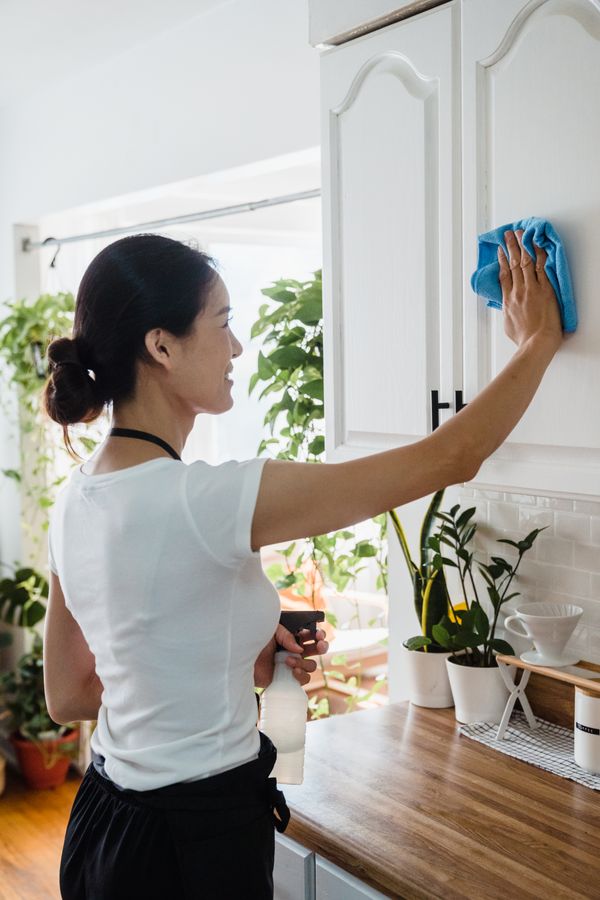
Grease is the enemy of the reactive cleaner. Airborne cooking grease settles on every surface and polymerizes over days into a sticky film that all-purpose spray can’t remove. Wiping the stovetop-adjacent cabinets weekly takes two minutes; degreasing the same area after a month of neglect takes twenty. A schedule converts big painful jobs into small painless ones.
There’s a food-safety argument too. The USDA and food-safety experts recommend cleaning food-contact surfaces between tasks and refrigerating perishables promptly, but the background hygiene of your kitchen — the sponge, the dish towels, the fridge temperature — is what a schedule protects. Cross-contamination risk drops when cutting boards, towels, and sponges are on a rotation rather than “whenever I remember.”
The Daily Reset: 10 Minutes
Do this every evening, ideally right after dinner while the kitchen is warm and residues are soft. Set a timer — the timebox is the whole trick.
- Clear and wipe counters (3 min): remove everything, spray, wipe, replace only what belongs there
- Wipe the stovetop (2 min): while it’s still slightly warm (not hot), a damp cloth lifts fresh splatter effortlessly
- Dishes (3 min): load the dishwasher or wash the few hand-wash items; never leave food-crusted pans overnight
- Sink swish and trash check (2 min): rinse the sink, wring out the sponge, take out trash if it’s full or smells
The daily reset’s real power is psychological: you start every morning in a clean kitchen, which makes you far more likely to keep it that way. Cooks who do the nightly reset report that their weekly clean takes half the time, because nothing has had a chance to bake on.
The “Clean as You Go” Habit
Professional kitchens run on mise en place and clean-as-you-go, and home cooks should steal both. Fill the sink with hot soapy water before you start cooking; drop utensils in as you finish with them. Wipe the cutting board between the raw chicken and the vegetables. These micro-habits add zero net time — you’re waiting for things to sauté anyway — and they flatten the evening workload dramatically.
The Weekly Clean: 30 Minutes
Pick a consistent day — Sunday evening or whichever day your week turns over. Work in this order:
- Floors (8 min): sweep or vacuum the whole kitchen, then damp-mop high-traffic areas. Kitchens collect more grit than any other room.
- Microwave (5 min): steam-clean with a bowl of water and lemon for five minutes, then wipe. Remove and wash the turntable.
- Appliance exteriors (5 min): wipe the fridge, dishwasher, and oven fronts, plus handles — the touchpoints everyone grabs.
- Sink deep scrub (4 min): baking soda scrub, rinse, then a vinegar rinse for stainless shine. Replace or sanitize the sponge.
- Towels and rugs (3 min): swap dish towels, hand towels, and the kitchen rug for fresh ones; launder the dirty set hot.
- Fridge sweep (5 min): toss expired leftovers and anything questionable, wipe one shelf or drawer, check for leaks.
Total: 30 minutes, and your kitchen is genuinely clean — not just tidy. If you’re short on time, the non-negotiable core is floors, sink, and towels: those three control most of the kitchen’s bacteria load.
The Monthly Deep Zones: 1 Hour
Each month, rotate through one deep zone. This keeps every neglected area on a 3–4 month cycle without a dedicated deep-clean weekend:
| Month | Deep zone | Key tasks |
|---|---|---|
| January / April / July / October | Grease zone | Range hood filter soak, cabinet fronts near stove, backsplash detail, light fixtures |
| February / May / August / November | Cold zone | Fridge full clean-out, freezer inventory, condenser coil vacuum, ice maker wipe |
| March / June / September / December | Wet zone | Dishwasher filter and seal, garbage disposal refresh, faucet aerator soak, under-sink check for leaks |
Notice the December timing: the cold-zone and wet-zone rotations land your fridge, freezer, and dishwasher in peak condition right before holiday cooking season. Plan your rotations around your life — the pattern matters more than the starting month.
Range Hood Filter: The Monthly Must
If you cook with oil more than a few times a week, the range hood filter is the single highest-value monthly task. A grease-saturated filter recirculates cooking fumes instead of capturing them, which accelerates grime buildup on every nearby surface. Most mesh filters soak clean in 20 minutes in hot water with dish soap and baking soda — set it soaking first, do the rest of the month’s tasks, then scrub and dry it last.
The Seasonal Overhaul: Half a Day, Four Times a Year
Once per season, run a condensed version of a full deep clean: oven interior, pantry clean-out and restock check, small-appliance detailing (toaster crumb trays, coffee maker descaling, air fryer deep clean), window interiors, and baseboards. Pair it with something pleasant — a podcast series, a good playlist — and treat it as kitchen maintenance the way you’d treat an oil change.
Seasonal tasks worth calendaring:
- Spring: pantry clean-out, spice freshness check (ground spices fade after about a year), window washing
- Summer: fridge coil vacuum, freezer defrost check, trash can deep scrub (heat amplifies odors)
- Fall: oven deep clean before holiday baking, small-appliance check, restock cleaning supplies
- Winter: junk-drawer purge, under-sink leak and expiry check, light fixture dusting (short days make dim bulbs obvious)
Adapting the Schedule to Your Cooking Style
Not every cook soils a kitchen equally. Adjust the baseline:
- Heavy fryers and searers: wipe the backsplash and hood area after every session; degrease cabinet fronts biweekly instead of monthly.
- Daily meal-preppers: add a midweek 10-minute fridge check — prepped containers multiply fast and crowd out airflow.
- Bakers: flour dust gets everywhere; add a weekly wipe of open shelving and the stand mixer area.
- Small kitchens: everything is closer to the stove, so grease spreads further — treat the whole kitchen as the “grease zone.”
- Households with kids: add cabinet-handle and light-switch wipedowns to the weekly list; little hands touch everything.
Tools That Make the Schedule Stick
The best schedule is the one you’ll actually follow, and friction kills follow-through. Keep a small caddy under the sink with your daily spray, a microfiber cloth, and dish soap so the nightly reset requires zero setup. under-sink cleaning caddy Check Price on Amazon → keeps it all in one grab-and-go tote.
Other high-leverage helpers: a microfiber mop with washable pads Check Price on Amazon → for the weekly floor clean, a dish brush with soap dispenser Check Price on Amazon → that lives at the sink, and a simple wall calendar or phone reminder for the monthly zone rotation. Automation beats willpower — if the reminder fires, the task happens.
Printable Schedule Summary
| Frequency | Time | Tasks |
|---|---|---|
| Daily | 10 min | Wipe counters and stovetop; dishes; sink rinse; trash check |
| Weekly | 30 min | Floors; microwave; appliance exteriors and handles; sink scrub; fresh towels; fridge sweep |
| Monthly | 60 min | Rotate: grease zone, cold zone, or wet zone (see table above) |
| Seasonal | 3–4 hrs | Oven; pantry; small appliances; windows; baseboards |
Deep-Clean Add-Ons for Special Situations
The standard schedule covers typical kitchens, but some situations demand extra attention. If you have hard water, add a monthly vinegar descale of the kettle, coffee maker, and faucet aerators — mineral buildup quietly degrades appliances and water flow. Pet owners should add a weekly wipe of lower cabinet fronts and a monthly wash of pet feeding-area mats, since food and water bowls scatter debris that attracts pests.
Allergy sufferers benefit from a monthly damp-dusting of high zones (cabinet tops, light fixtures, the top of the fridge), where dust and cooking aerosols combine into a particularly irritating mix. If anyone in the household has a compromised immune system, upgrade the weekly sponge replacement to twice weekly and sanitize cutting boards after every raw-meat use rather than just washing. These add-ons slot into the existing tiers without restructuring the schedule — just append them to the relevant day.
Making the Schedule Automatic
The difference between a schedule you follow and one you abandon is friction. Three tactics make this one stick. First, anchor tasks to existing habits: the nightly reset happens right after dinner plates are cleared, not “sometime in the evening.” Habit stacking — attaching the new behavior to an established one — is the most reliable behavior-change technique available.
Second, keep supplies where they’re used. The nightly reset dies if it requires a trip to a hall closet for spray and cloths. A small caddy under the sink with daily spray, a microfiber cloth, and dish soap means the 10-minute reset starts in seconds. The weekly clean gets its own slightly larger kit — floor cleaner, extra cloths, a scrub brush — stored together so there’s no gathering step.
Third, use calendar reminders for the monthly zone rotation and seasonal overhauls. Daily and weekly tasks become muscle memory within a month, but the monthly rotation is exactly infrequent enough to forget. A recurring phone reminder on the first Saturday of each month, labeled with which zone is due, closes the loop. wall calendar with cleaning schedule Check Price on Amazon → works for households that prefer an analog command center on the fridge.
Frequently Asked Questions
How often should I mop my kitchen floor?
Most home kitchens need mopping once a week, with spot-cleaning of spills as they happen. If you cook daily, have pets, or have kids, twice a week keeps grit from grinding into the finish. Always sweep or vacuum first — mopping over crumbs just pushes them around.
What is the most important daily kitchen cleaning task?
Wiping down food-contact surfaces — counters and the stovetop — plus handling the dishes. These two tasks control the majority of bacterial growth and pest attraction. Everything else in the schedule supports these, but a kitchen with clean counters and no dirty dishes overnight is already 80% of the way there.
How often should kitchen sponges be replaced?
Replace kitchen sponges every one to two weeks, and sanitize them between replacements by microwaving a damp sponge for one minute or running it through the dishwasher’s hot cycle. Sponges are among the germiest items in a home, so this small habit has an outsized hygiene payoff.
Should I clean the kitchen before or after cooking?
Both, lightly: a quick pre-cook clear gives you workspace and prevents cross-contamination, and the post-cook reset handles the mess while it’s fresh. The heavy scheduled cleaning (weekly, monthly) should happen separately from cooking sessions so you’re not fighting active messes.
How do busy people keep their kitchens clean?
The common thread is systems over effort: clean as you go while cooking, a non-negotiable 10-minute nightly reset, and supplies stored where they’re used so there’s no setup friction. Busy cooks who follow this pattern spend less total time cleaning than those who let messes accumulate for a weekly blitz.
What should be cleaned monthly in a kitchen?
Rotate three zones: the grease zone (range hood filter, cabinet fronts, backsplash), the cold zone (full fridge clean-out, freezer inventory, coils), and the wet zone (dishwasher filter, disposal, faucet aerator, under-sink leak check). One zone per month keeps everything on a quarterly cycle.
How often should you deep clean kitchen appliances?
Small appliances like toasters and coffee makers need monthly attention (crumb trays, descaling), the microwave needs weekly wiping, and the oven needs a deep clean every three to six months depending on use. The dishwasher filter should be rinsed monthly — it’s the most commonly neglected appliance part.
Can I use the same cloth for everything?
No — use separate cloths for food-contact surfaces, greasy zones, and floors to avoid cross-contamination. Color-coding helps: one color for counters, another for the stovetop and hood area. Launder microfiber cloths hot and skip fabric softener, which clogs the fibers and reduces absorbency.
